What is a 10ft Shipping Container and How Can You Use It?
In the world of logistics and storage solutions, the "10ft shipping container" has emerged as a versatile option that caters to a variety of needs. Expert in shipping logistics, John Smith, emphasizes the practicality of these containers, stating, "A 10ft shipping container is not just a smaller version of a standard container; it represents a flexible solution for businesses looking to optimize space without compromising on security and accessibility." With their compact size, these containers are particularly advantageous for urban environments or smaller-scale operations, addressing the challenges of space limitations.
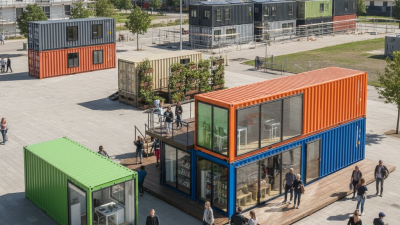
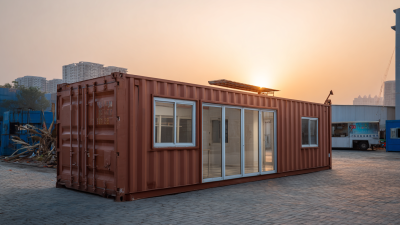
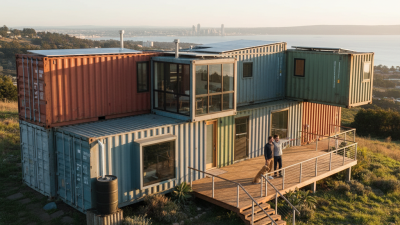
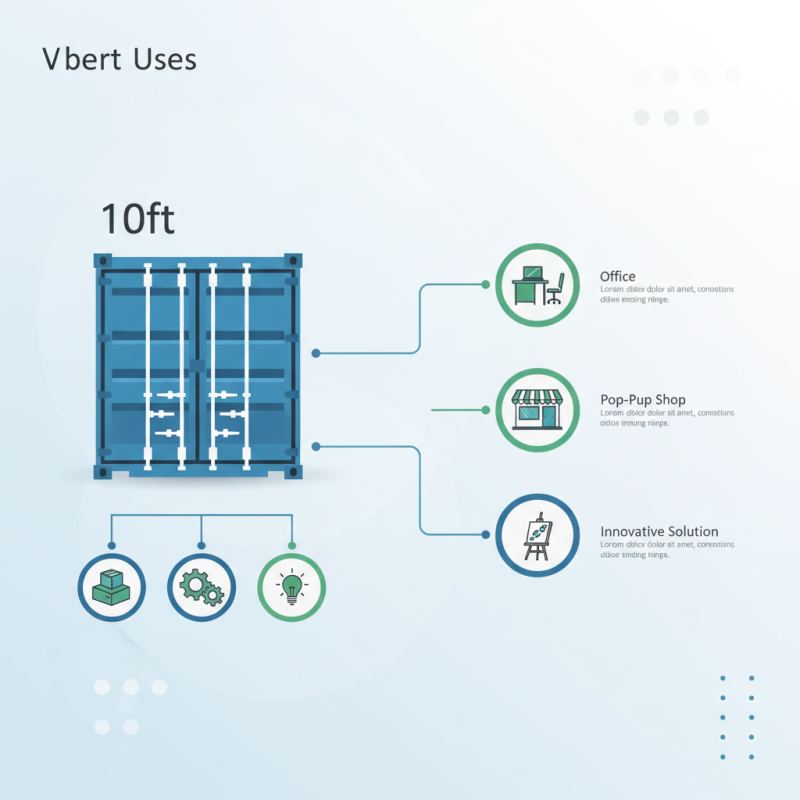
The use of a 10ft shipping container extends beyond mere storage; it can be transformed into mobile offices, pop-up shops, or even art studios, showcasing its adaptability. The ability to repurpose these containers makes them an appealing choice for entrepreneurs and small business owners. Additionally, whether you need a temporary workspace or a long-term storage solution, the 10ft shipping container offers a practical answer that aligns with today's evolving business demands.
As we delve into the various uses and benefits of the 10ft shipping container, it becomes clear that this compact powerhouse can play a vital role in enhancing operational efficiency and crafting innovative solutions for a range of industries.
What is a 10ft Shipping Container? Definition and Specifications
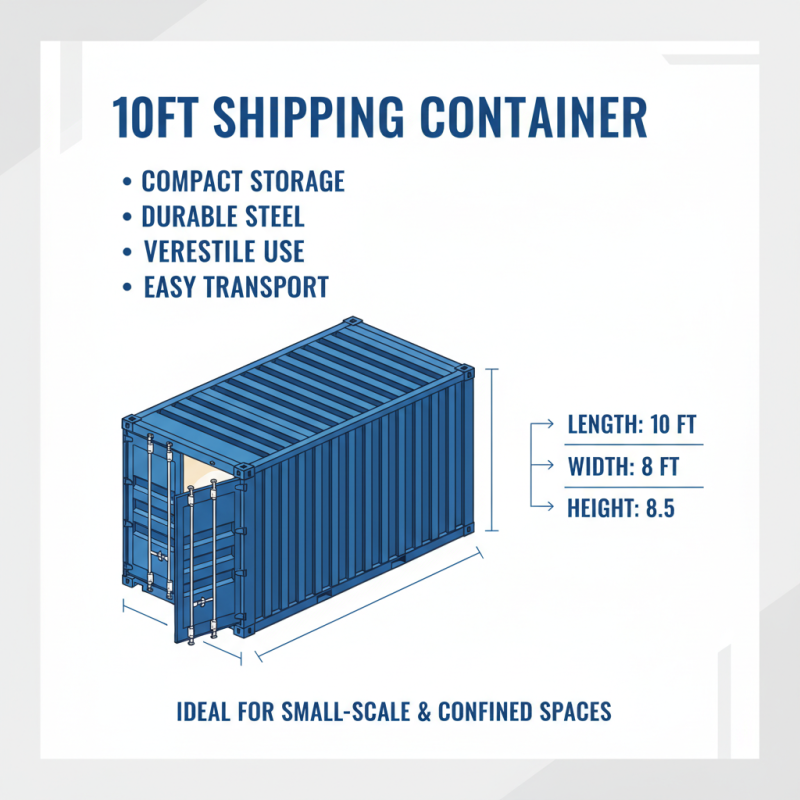
A 10ft shipping container is a compact and versatile storage solution commonly used in various industries for transporting goods. Typically constructed from durable steel, these containers are designed to withstand harsh environmental conditions and protect their contents from damage. The standard exterior dimensions of a 10ft container are approximately 10 feet in length, 8 feet in width, and 8.5 feet in height, making them ideal for small-scale shipping needs or confined spaces where larger containers might not fit.
In addition to their standard size, 10ft shipping containers come with a variety of features that enhance their functionality. They often include locking mechanisms to ensure security, ventilation openings to reduce moisture buildup, and can be customized with additional fittings such as shelving or windows. These containers are frequently used for not only shipping but also for on-site storage in construction, retail, and event management, where temporary solutions are required. Their small footprint allows them to be easily transported and placed, making them an attractive option for storage and logistical requirements in urban or remote locations.
Common Uses for 10ft Shipping Containers in Various Industries
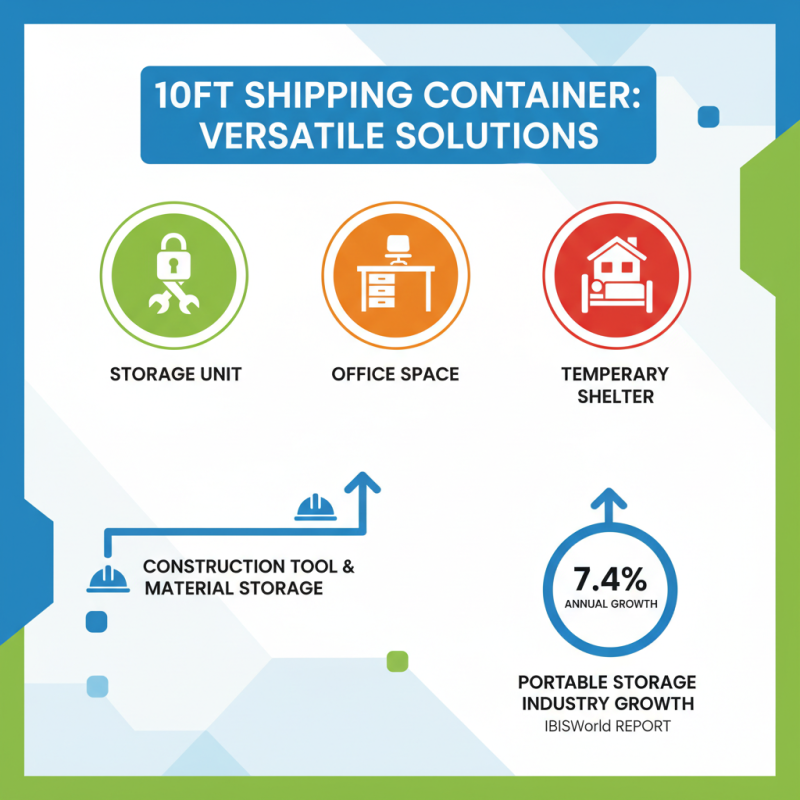
The 10ft shipping container is a versatile solution that has gained popularity across various industries for its compact size and functionality. It can serve as a storage unit, an office space, or even a temporary shelter. For instance, in construction, these containers provide a secure area for tool and materials storage, ensuring that equipment is protected from the elements. According to a report by IBISWorld, the portable storage industry has seen a growth rate of 7.4% annually, highlighting the increasing demand for such flexible solutions.
In the retail sector, 10ft containers are being repurposed as pop-up shops or mobile kiosks. This innovative use allows businesses to reach customers directly in high-traffic areas without the overheads associated with traditional retail spaces. Moreover, the food industry has adopted these containers for mobile food trailers and small kitchens. A survey by Statista revealed that 35% of U.S. consumers have purchased food from a food truck, indicating the growing appeal of mobile dining experiences.
**Tip**: When considering utilizing a 10ft shipping container, assess your specific needs and local regulations regarding modifications. It's essential to ensure that the container meets building codes and health standards, especially if used in food services. Additionally, proper insulation and ventilation will enhance the functionality, turning your container into an effective micro-environment for your business.
Benefits of Using a 10ft Shipping Container for Storage Solutions
A 10ft shipping container is an ideal storage solution that offers versatility and efficiency for various needs. Its compact size makes it suitable for residential, commercial, and industrial purposes, allowing for easy placement in tight spaces where larger containers may not fit. The durable construction ensures that your belongings are protected from environmental factors, such as moisture and pests, while providing a secure storage option.
One of the significant benefits of using a 10ft shipping container is its portability. You can easily relocate it when necessary, making it an excellent choice for those who require temporary storage at construction sites, events, or while moving homes. Additionally, these containers can be modified for varied uses, such as workshops or small offices, enhancing their utility beyond mere storage.
**Tips:** When utilizing a 10ft shipping container for storage, it's essential to maximize space efficiently. Consider using shelving units for smaller items and keeping frequently accessed belongings near the entrance for easier retrieval. Additionally, ensure proper ventilation to prevent moisture buildup, which can damage contents over time. Always choose a location that provides stability and level ground to maintain the integrity of the container.
Benefits of Using a 10ft Shipping Container for Storage Solutions
Cost Analysis: 10ft Shipping Container Prices and Ownership Options
When considering the acquisition of a 10ft shipping container, potential buyers must evaluate the costs associated with both purchasing and renting. The price of a new 10ft container typically ranges from $2,000 to $4,000, depending on the condition and retailer. In contrast, a used container can be significantly more economical, often starting around $1,200.
Additional costs to factor in include delivery fees, which can vary based on location and accessibility, and initial modifications if customizations are necessary for specific uses, such as insulation or ventilation.
Ownership options for a 10ft shipping container also extend beyond outright purchase. For businesses or individuals hesitant to commit to a full purchase, container rental provides a flexible alternative. Rental rates can fluctuate from $100 to $200 per month based on demand and condition. This arrangement is particularly appealing for short-term projects or temporary storage needs, allowing users to avoid the long-term financial burden of ownership while still accessing the benefits of container space. Understanding these financial implications helps buyers make informed decisions tailored to their specific requirements.
Industry Trends: The Growing Popularity of Smaller Shipping Containers
The trend toward smaller shipping containers, especially the 10ft container, is gaining traction in various industries. According to a recent report by IBISWorld, the demand for smaller shipping containers has increased by approximately 15% over the past three years, driven by an uptick in the e-commerce sector and urban development projects. These compact containers are not only more economical but also provide flexibility in space-constrained environments, enabling businesses to innovate in storage and transport solutions.
As urbanization continues to rise, many companies are recognizing that smaller shipping containers can support a growing need for adaptable storage solutions. The World Bank projects that by 2050, nearly 68% of the global population will reside in urban areas, underscoring the demand for efficient storage options that can fit into limited spaces. Smaller containers like the 10ft variant allow businesses to optimize their logistics by providing the ability to transport goods in tighter urban settings without compromising storage capabilities or incurring excessive costs. Furthermore, sustainability trends have also prompted industries to explore smaller containers, as they typically consume fewer resources in production and have a lower carbon footprint during transport.