2026 Best Shipping Container Trends and Innovations to Watch?
The landscape of shipping containers is undergoing significant transformation. With growing demands in logistics and housing, innovations are reshaping their use. Shipping containers are now more than just transport tools; they are evolving into multi-functional spaces.
In 2026, we will witness exciting trends in this sector. From eco-friendly designs to smart technology integration, shipping containers are becoming more sustainable and efficient. Companies are experimenting with modular designs, enabling customization for various applications.
However, challenges remain. Not all designs are practical or affordable. Some innovations may not cater to the diverse needs of users. It’s crucial to reflect on what works and what doesn’t. The future of shipping containers holds promise, but it also requires careful consideration of practicality and user experience.
Emerging Sustainable Practices in Shipping Container Industry
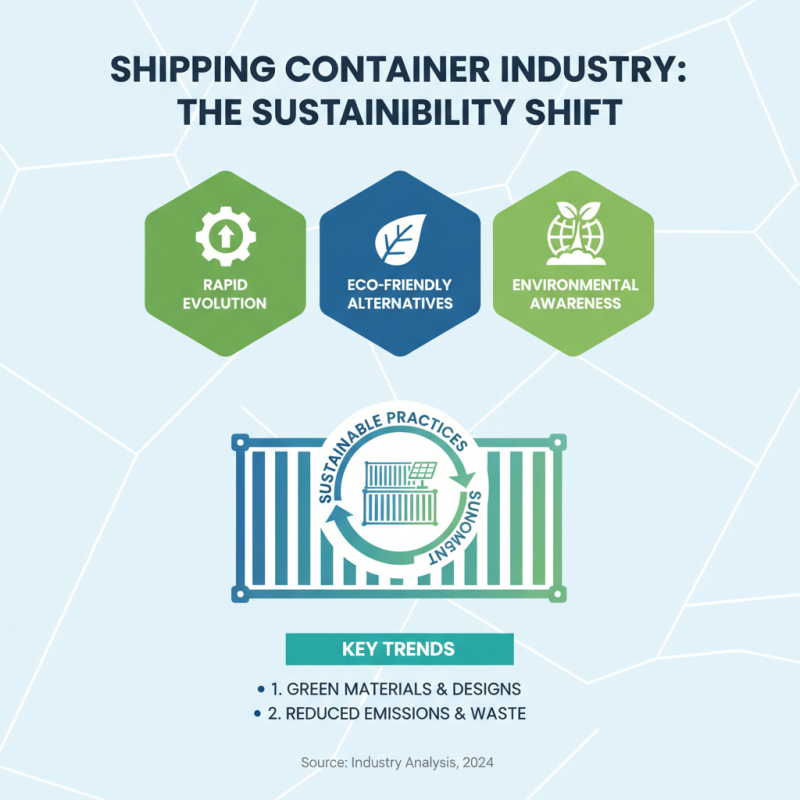
The shipping container industry is evolving rapidly. Sustainable practices are now paramount. Companies are seeking eco-friendly alternatives. This shift reflects growing awareness of environmental impact.
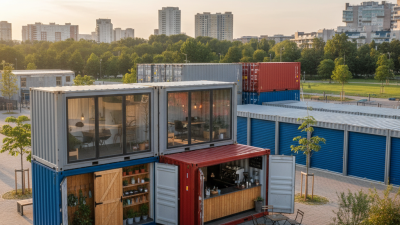
Recycling old containers is a major trend. Rather than discarding these structures, businesses are repurposing them. They turn shipping containers into homes, offices, and even stores. This process reduces waste and promotes creativity. However, challenges remain in quality control and regulation. Standards vary widely across regions.
Another innovation is the use of renewable energy. Solar panels can be installed on containers. This provides clean energy for various applications. Nevertheless, the initial investment can be daunting. Not all companies can afford it. They face tough decisions on balancing costs and sustainability. The road to a greener industry is complex, yet necessary.
Innovative Designs for Modular Shipping Container Housing Solutions
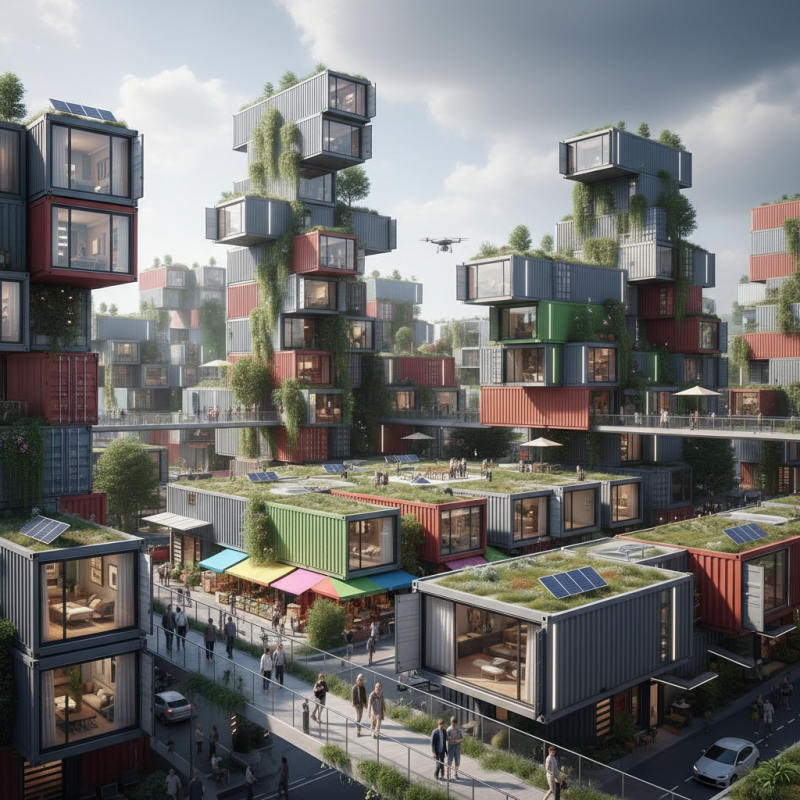
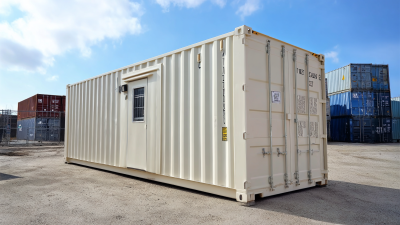
Modular shipping container housing is gaining momentum in 2026. These innovative designs offer flexibility and sustainability. A basic shipping container is 20 feet long but can be transformed into vibrant living spaces. People are stacking containers, creating multi-level residences. This approach not only maximizes space but also provides unique architectural styles.
However, challenges exist. Insulation is crucial for comfort, but not always properly addressed. Some designs overlook local climate needs. Containers may rust over time without appropriate coatings. Moreover, zoning laws can complicate installations in urban areas. Thus, thorough planning and community engagement are essential.
Yet, there’s beauty in its imperfection. Creative designs are emerging, turning constraints into opportunities. Each container tells a story. The aesthetics are distinct, and the functionality is often surprising. Building with shipping containers can inspire a movement towards more sustainable living. It's a journey of exploration and adaptation.
Technological Advancements Enhancing Shipping Container Efficiency
Technological advancements are reshaping shipping container efficiency. Automation plays a significant role in this evolution. According to a recent industry report, automated container terminals can increase operational productivity by up to 30%. This efficiency is crucial as global trade continues to expand.
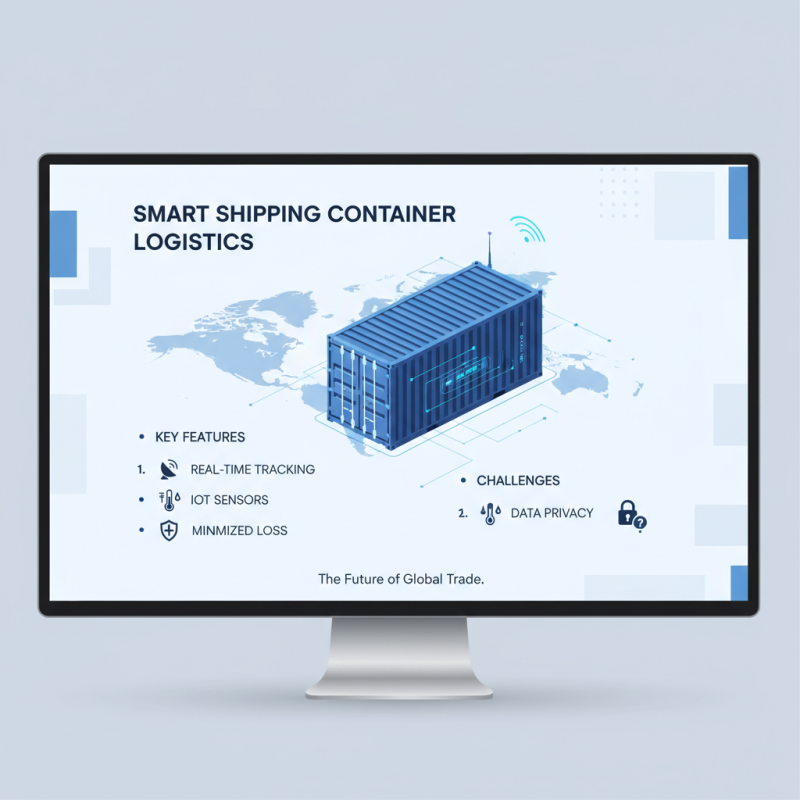
Smart containers equipped with IoT sensors provide real-time data on temperature and location. This helps prevent spoilage in goods like food and pharmaceuticals. More than 50% of companies utilizing smart containers reported reduced losses. However, cybersecurity remains a concern. With increasing digital integration, these systems are vulnerable to hacking.
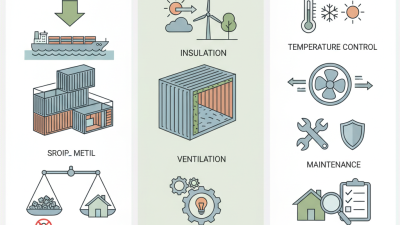
Moreover, energy-efficient designs are gaining attention. Innovations in materials help reduce container weight and improve fuel efficiency. Reports indicate that lighter containers can lead to a 15% reduction in shipping costs. Yet, the industry must address the longevity of these materials. Ensuring durability while promoting efficiency is a pressing challenge.
2026 Shipping Container Efficiency Innovations
Expanded Usage of Shipping Containers in Urban Agriculture Initiatives
Urban agriculture is gaining momentum, and shipping containers are at the forefront of this trend. These versatile structures are transforming how we grow food in cities. They offer a compact solution for producing fresh fruits and vegetables in limited spaces. In densely populated areas, containers can be set up on rooftops, vacant lots, or even parking areas.
Tips: Consider using hydroponics. This method allows plants to thrive without soil, maximizing space in containers. Ensure there's proper ventilation. Good airflow is essential for healthy plants. Regularly check moisture levels, as containers can dry out quickly.
While the idea sounds promising, there are challenges. Not every container is suited for farming. Some may need insulation for temperature control. It’s also crucial to manage water usage efficiently. Many urban farms using containers face high costs and unanticipated hurdles. Careful planning can help mitigate these issues. Collaborating with local communities can also drive success. Sharing knowledge and resources leads to better outcomes.
Future Trends in Shipping Container Logistics and Supply Chain Management
The future of shipping container logistics is rapidly evolving. One trend is the increased use of smart containers. These containers leverage IoT technology for real-time tracking. Sensors embedded in containers provide valuable data. Temperature, humidity, and location can be monitored accurately. This helps in minimizing spoilage and loss. However, data privacy concerns remain a challenge.
Sustainability is another critical focus. Eco-friendly materials are emerging in container production. This helps reduce the carbon footprint. More companies are considering circular economy practices. But, the shift requires significant investment and changes in traditional practices. Stakeholders must adapt to these innovations while remaining pragmatic.
Automation is gaining momentum in logistics. Automated loading and unloading systems are becoming more common. These systems save time and reduce the risk of human error. Still, reliance on technology raises concerns about job displacement. Balancing efficiency and employment opportunities will be vital for the industry’s future.