What Is a 40ft Container and How Much Can It Hold?

A 40ft container is one of the most widely used units in international freight. It offers roughly 67 cubic meters of internal space, making it suitable for furniture, machinery, packaged goods, and retail inventory. However, its actual capacity depends on cargo shape, packaging, weight, and loading access.

Shipping analyst Lars Jensen describes the practical issue clearly: “A container’s capacity is a planning number, not a promise.” That observation matters. A 40ft container may hold about 20 to 24 standard pallets, depending on pallet dimensions and loading patterns. Some cargo can use nearly every corner. Other cargo leaves empty spaces because of fragile surfaces, irregular shapes, or safety requirements.

Weight matters too. A standard 40ft container often carries a payload near 26 to 28 metric tons, but the exact limit varies by container design, carrier rules, road restrictions, and local regulations. High-cube versions provide extra height and may offer approximately 76 cubic meters of volume. More room, sometimes.

Yet more volume does not always mean better efficiency. Dense cargo can reach the weight limit before the container looks full. Lightweight cartons may fill the space first. Poor planning can waste both money and usable capacity.

This guide explains what a 40ft container is, how much it can hold, and why estimates are never perfectly universal. Measurements help. Practical loading experience matters more. Even careful calculations need review before shipment.
What Is a 40ft Container and How Much Can It Hold?

What Is a 40ft Container and What Are Its Standard Dimensions?

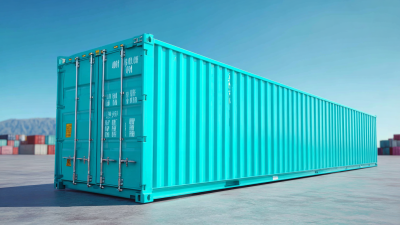
A 40ft container is a standardized steel box for ocean and inland freight. ISO 668:2020 lists its external dimensions as 12.192 meters long, 2.438 meters wide, and 2.591 meters high. These measurements equal 40 feet by 8 feet by 8 feet 6 inches. The standard 40ft dry container has an internal length of about 12.032 meters. Its internal width is approximately 2.352 meters, with an internal height near 2.393 meters. Door openings are usually about 2.340 meters wide and 2.280 meters high.

Its internal volume is commonly reported near 67.7 cubic meters. However, usable space is lower. Packaging, pallets, wall clearance, and uneven loading reduce capacity. ISO data describes dimensions, not the exact space available for every shipment. That distinction matters. A container may hold around 26 to 28 metric tons of cargo, depending on its tare weight and certified maximum gross mass. The CSC safety plate provides the controlling figures for each unit. Industry equipment surveys also show dimensional variation between container fleets, especially after repairs or modifications. Real containers are less tidy. Door seals, corner posts, and floor wear can change practical measurements. Shippers should measure unusual cargo instead of trusting a calculator. One missed centimeter can create expensive handling problems.

How Much Cargo Can a 40ft Container Hold?

A 40ft container usually provides about 67 cubic meters of internal space. Its usable dimensions are approximately 12.03 meters long, 2.35 meters wide, and 2.39 meters high. These measurements can vary slightly by container design and interior fittings. The container can often carry around 26,000 to 28,800 kilograms of cargo. However, the certified gross weight, container tare weight, road limits, and loading rules determine the actual payload.

Cargo volume depends heavily on packaging. A shipment with compact cartons may use nearly all available space. Bulky furniture, irregular machinery, or fragile goods may leave large empty gaps. A 40ft container can commonly fit about 20 to 21 standard pallets, or roughly 23 to 24 Euro pallets, when pallet dimensions and loading access are suitable. Carton height matters. So does stacking strength. Weak boxes cannot safely support several layers, even when space remains above them.

Weight can become the limit. Dense products may reach the payload ceiling before filling the container. Lightweight products may fill the floor and ceiling first. This is called weighing out or cubing out. Real loading rarely matches a perfect plan. Door clearance, bracing materials, moisture protection, and uneven weight distribution reduce usable capacity. A careful loading plan should confirm the container’s rating and the transport route’s weight restrictions before cargo is packed. One estimate is never enough.

What Is a 40ft Container and How Much Can It Hold?

Data Dimension Typical 40ft Standard Container Typical 40ft High Cube Container Cargo Planning Notes
External length 12.19 m (40 ft) 12.19 m (40 ft) The external footprint is essentially the same for both types.
External width 2.44 m (8 ft) 2.44 m (8 ft) Allow extra clearance for handling and transport equipment.
External height 2.59 m (8 ft 6 in) 2.90 m (9 ft 6 in) The high cube provides additional vertical space.
Typical internal length 12.03 m (39 ft 6 in) 12.03 m (39 ft 6 in) Usable length varies slightly by container design and lining.
Typical internal width 2.35 m (7 ft 8 in) 2.35 m (7 ft 8 in) Cargo wider than the door opening may require special equipment.
Typical internal height 2.39 m (7 ft 10 in) 2.69 m (8 ft 10 in) Keep working clearance below the roof and cargo-lashing points.
Typical internal volume Approximately 67.7 m³ (2,390 ft³) Approximately 76.4 m³ (2,700 ft³) Actual loading capacity is lower because of packaging, gaps, and securing materials.
Typical door opening About 2.34 m wide × 2.28 m high About 2.34 m wide × 2.58 m high Measure the largest packaged item, not just the product itself.
Typical tare weight Approximately 3,700–4,200 kg Approximately 3,900–4,500 kg Use the tare shown on the individual container's safety plate.
Common maximum gross weight Up to about 30,480 kg Up to about 30,480 kg The permitted limit depends on the container plate, route, vehicle, and local regulations.
Typical maximum payload Approximately 26,000–26,700 kg Approximately 25,900–26,500 kg Payload equals maximum gross weight minus tare weight and may be restricted by road limits.
Approximate Euro pallet capacity Up to about 25 pallets Up to about 25 pallets Based on 1,200 × 800 mm pallets and an efficient loading pattern.
Approximate standard pallet capacity About 21 pallets About 21 pallets Based on 48 × 40 in pallets; the final count depends on pallet orientation and load height.
Example: 0.036 m³ cartons Theoretical maximum: about 1,880 cartons Theoretical maximum: about 2,120 cartons A practical count is usually lower after allowing for gaps, handling space, and load protection.
Best suited for Dense, bulky, or general cargo Lightweight goods, tall cartons, and high-volume cargo Choose based on both cubic volume and weight; the first limit reached determines the usable capacity.

Note: Dimensions and weight limits are typical industry values. Always confirm the individual container's specification plate, cargo securing requirements, transport regulations, and route restrictions before loading.

What Factors Affect a 40ft Container’s Loading Capacity?

What Is a 40ft Container and How Much Can It Hold?

A standard 40ft container offers about 67.7 cubic meters of internal space. Its internal length is roughly 12.03 meters, with a width near 2.35 meters. ISO 668:2020 defines its standard dimensions and maximum gross mass. The permitted gross mass is commonly 30,480 kilograms, including the container itself. Payload often ranges from 26,700 to 28,800 kilograms, depending on tare weight and the container’s safety plate. A high-cube model provides more space, usually about 76 cubic meters. Mixing these two types creates unreliable estimates.

What Factors Affect a 40ft Container’s Loading Capacity?

Cargo weight is only one limitation. Pallet size, carton shape, stacking strength, and floor space can reduce usable volume. Heavy machinery may reach the weight limit while leaving empty corners. Lightweight furniture can fill the container before reaching its payload limit. Weight distribution matters too. The Container Safety Convention requires cargo to remain secured and balanced during transport. Moisture-sensitive goods may also need airflow gaps, liners, or desiccants. These precautions consume space. They also prevent damage, though not perfectly.

How Should Cargo Be Arranged Inside a 40ft Container?

A 40ft container usually offers about 67.7 cubic metres of internal space. ISO 668 defines its standard dimensions, typically near 12.03 metres long, 2.35 metres wide, and 2.39 metres high. Actual payload varies by equipment, but many units support roughly 26,500 to 28,600 kilograms. The Container Handbook advises checking the container plate, because maximum gross mass differs between units. Volume alone does not determine safe loading.

Place dense cargo on the floor, close to the centre line. Distribute weight from front to rear. Avoid creating a heavy nose or tail. A practical target is an even floor load, with no sharp pressure points. Use pallets, timber bearers, or load-spreading boards where needed. Keep cartons tight, but leave no unstable voids. Fill gaps with approved dunnage, not loose waste materials. Heavy cartons belong below lighter cartons. Fragile goods need clear separation.

A common field error is chasing every cubic metre. That can damage cartons and weaken restraint. Cargo should be blocked, braced, and lashed according to its weight and movement risk. The Container Handbook recommends securing against sliding, tipping, and shifting during transport. Leave airflow around temperature-sensitive cargo when required. Check door clearance before the final row. Recheck axle and route limits before dispatch. A perfect loading diagram may still fail when packaging sizes vary. Practical supervision remains essential.

What Are the Main Types and Uses of 40ft Containers?

A 40ft container is a standard intermodal unit, usually measuring 12.19 meters long, 2.44 meters wide, and 2.59 meters high. ISO 668:2020 defines these dimensions. A standard dry container offers about 67.7 cubic meters of internal volume. A 40ft high-cube version reaches roughly 76 cubic meters, with extra vertical clearance for bulky cartons and machinery.

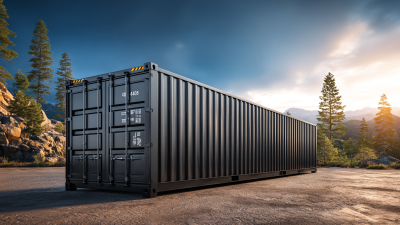
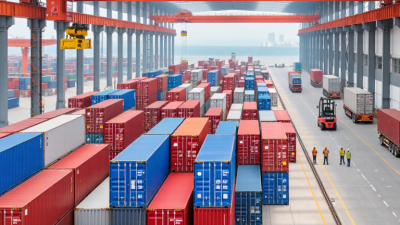
The main type is the dry container. It suits furniture, packaged goods, textiles, and palletized cargo. High-cube containers serve taller loads, though uneven weight can create handling problems. Refrigerated containers protect chilled or frozen products through controlled temperatures. Open-top containers allow cranes to load heavy or oversized items from above. Flat racks support machinery, steel structures, and other cargo that cannot fit inside enclosed walls. UNCTAD’s Review of Maritime Transport 2024 shows the continuing scale of containerized trade, but available volume is never the only planning issue. Payload limits, pallet dimensions, door openings, and route equipment matter too. A perfect cube rarely exists in a real shipment.

Tips: Leave about 10% of the internal space for bracing and safe access. Check the container’s tare and maximum gross mass before booking. Build a loading diagram first. The volume estimate is not a promise. One awkward crate can waste several cubic meters. Oversized cargo may also require special handling, which many early plans overlook.

What Is a 40ft Container and How Much Can It Hold?

Representative internal volume of common 40ft container types

40ft Standard Dry

About 67.7 m³ of internal space. Commonly used for boxed goods, furniture, machinery, textiles and general cargo.

40ft High Cube

About 76.4 m³ of internal space, with extra height. It is suitable for lightweight, bulky cargo and high-volume shipments.

40ft Reefer

Approximately 67.0 m³, with insulated walls and temperature control for food, pharmaceuticals and other temperature-sensitive products.

Capacity Reference

A 40ft container equals 2 TEU. Maximum payload is commonly around 26–29 metric tonnes, depending on the container design and transport regulations.

Figures are representative ISO container specifications. Actual dimensions, payload and usable space vary by manufacturer, internal fittings, cargo arrangement and local weight limits.