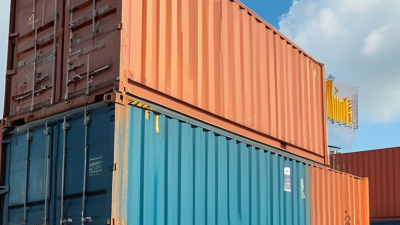
What is a 40ft Shipping Container and Its Uses?
The 40ft shipping container is a versatile solution in today’s logistics landscape. According to industry reports, the demand for shipping containers has surged, with an annual growth rate of approximately 4.1%. This increase highlights the container's pivotal role in global trade. The 40ft shipping container, specifically, boasts a capacity of about 67 cubic meters, enabling efficient transportation of large quantities of goods.
In various sectors, these containers serve as efficient storage units, mobile offices, and even housing solutions. A survey by the Container Owners Association indicates that over 90% of businesses recognize the benefits of utilizing shipping containers for flexible space requirements. However, relying heavily on these containers raises questions about sustainability and waste management in the shipping industry.
Organizations must consider the lifecycle of a 40ft shipping container. While they offer immediate logistical benefits, the environmental impact of producing and disposing of these units cannot be overlooked. This ongoing reflection is crucial as we balance efficiency with responsibility in supply chain practices.
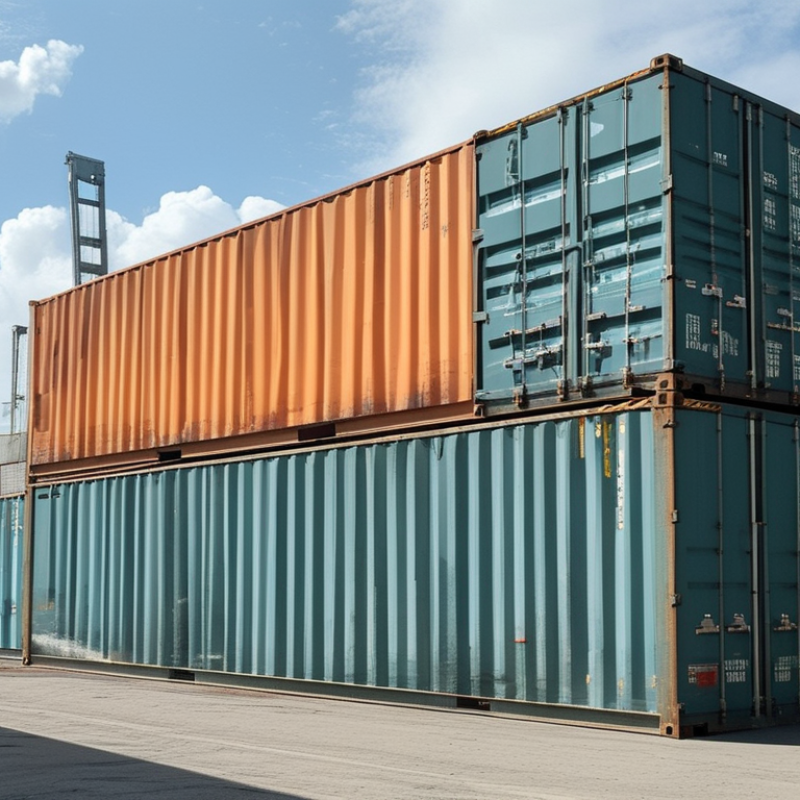
What is a 40ft Shipping Container? Overview and Specifications
A 40ft shipping container is a standard intermodal container used for transporting goods. Its dimensions typically measure 40 feet in length, 8 feet in width, and 8.5 feet in height. These containers are designed to facilitate easy loading and unloading across various modes of transport. Their robust construction ensures durability and security for items inside.
When considering a 40ft container, it's crucial to recognize its versatility. Not only is it commonly used for shipping goods internationally, but it also serves as a popular option for storage, site offices, or even as temporary housing. Their spacious interior can accommodate a significant volume of cargo, making them ideal for businesses requiring bulk storage solutions.
One important point to reflect on is the maintenance of the container. Regular checks for rust or damage can prolong its lifespan. Using a shipping container creatively can pose challenges. For instance, customizing it for habitation often requires adherence to local building codes.
Consider assessing your specific needs before acquiring a container. Think about whether you need additional insulation or ventilation for your project. Understanding these factors can significantly enhance your experience with a 40ft shipping container.
Key Dimensions and Weight Capacity of 40ft Shipping Containers
A 40ft shipping container is widely used in logistics and storage. It measures approximately 40 feet in length, 8 feet in width, and 8.5 feet in height. The internal dimensions are about 39.5 feet long, 7.7 feet wide, and 7.8 feet high. This allows for a volume of around 2,390 cubic feet. The standard maximum payload capacity for a 40ft container is typically around 60,000 pounds, but this can vary depending on the container type.
Containers offer significant benefits for businesses. The ability to stack these units increases storage efficiency. A high cube 40ft container, which is slightly taller at 9.5 feet, provides additional space for taller cargo. However, accurate weight distribution is vital. Overloading or uneven loading can cause safety issues during transport.
Many reports indicate that the demand for 40ft containers remains strong. The global shipping industry often relies on these units for intermodal transport. They are particularly favored for international shipping due to their standardized sizes. Despite these advantages, challenges persist in container management, particularly in tracking and maintaining container conditions. This emphasizes the need for continual innovation in logistics practices.
Common Uses of 40ft Shipping Containers in Shipping and Storage
The 40ft shipping container is a versatile storage solution widely used in various industries. According to the International Maritime Organization, over 90% of the world's trade is conducted through shipping. This makes the utility of 40ft containers crucial in shipping logistics. These containers can hold up to 2,500 kilograms and provide approximately 2,700 cubic feet of storage space, making them ideal for bulk shipping and storage applications.
In the realm of storage, businesses utilize 40ft containers for both temporary and long-term solutions. Reports indicate that the construction industry often employs these containers on job sites for storing tools and materials securely. Their durability and stackability allow for efficient space management. Additionally, some organizations convert these containers into portable offices, offering flexibility in remote work environments.
However, while 40ft containers present numerous advantages, they are not without challenges. Issues like rust and weatherproofing can arise if containers are not maintained properly. Many users overlook the necessity of regular inspections, which can lead to more significant problems over time. Understanding these aspects is essential for maximizing the benefits of using shipping containers effectively.
Common Uses of 40ft Shipping Containers
Adaptations: Converting 40ft Shipping Containers for Specialized Needs
Converting a 40ft shipping container opens up a world of possibilities. These versatile structures can be transformed into homes, offices, and even pop-up shops. When adapting containers, careful planning is essential. Consider insulation, ventilation, and layout. Each decision impacts comfort and functionality.
Interior modifications can create beautiful spaces. Adding windows provides natural light. Steel frames can support additional levels. These changes demand expertise in engineering and design. DIY projects may lead to unexpected challenges, including structural issues. Working with professionals can ensure safety and reliability.
Outdoor adaptations are equally exciting. Containers can be used as workshops or storage units, equipped with electricity and plumbing. However, securing proper permits is crucial. Local regulations may limit what you can build. Each project forces a reevaluation of needs and resources. Flexibility is key in making the most of these robust structures.
Market Trends: Demand and Supply of 40ft Shipping Containers in 2023
The demand for 40ft shipping containers is on the rise in 2023. Global trade growth has created a need for reliable storage and transport solutions. Companies increasingly prefer these containers due to their versatility. Whether for shipping goods or as temporary storage, their utility cannot be overstated.
However, the supply chain faces challenges. Disruptions from pandemics and geopolitical tensions have created shortages. Prices are volatile, changing rapidly based on demand. Many businesses are re-evaluating their logistics strategies. This uncertainty makes it difficult to secure containers at stable prices.
Adapting to these changes is crucial for companies. Some are exploring alternative storage options, while others are looking to purchase containers for permanent use. The market is evolving, prompting industries to reassess their dependence on 40ft containers. This dynamic landscape offers both opportunities and challenges for businesses worldwide.