Top Benefits of Using Shipping Container Shed for Your Outdoor Storage Needs?
In recent years, the use of a shipping container shed has gained popularity for outdoor storage solutions. Experts like James Anderson, a specialist in sustainable storage options, state, “A shipping container shed is more than just a storage unit; it’s a versatile space for many needs.” This idea resonates with many homeowners and businesses seeking robust alternatives to traditional storage.
Shipping container sheds offer remarkable durability. They withstand harsh weather conditions and resist pests. However, one needs to consider proper insulation if planning to store sensitive items. The idea of transforming used containers into functional sheds is appealing, but it requires careful planning and creativity. Not everyone realizes the potential of these structures.
Additionally, the cost-effectiveness of a shipping container shed is noteworthy. However, initial purchase prices and transportation costs can add up quickly. Some users may also face zoning restrictions. Reflecting on these factors is essential for anyone contemplating the switch. The benefits are clear, yet challenges exist.
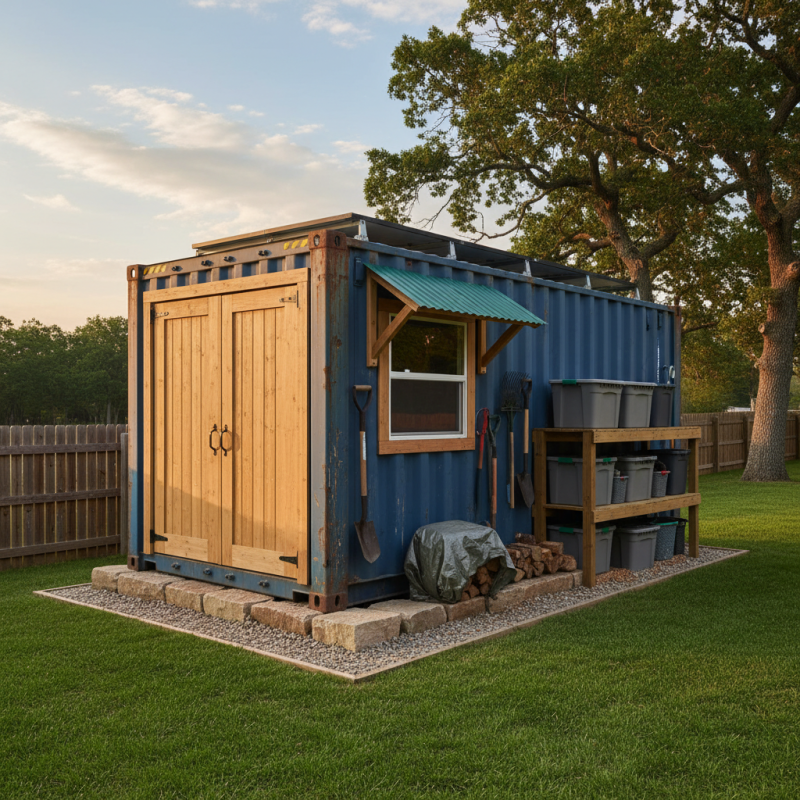
Advantages of Shipping Container Sheds for Outdoor Storage
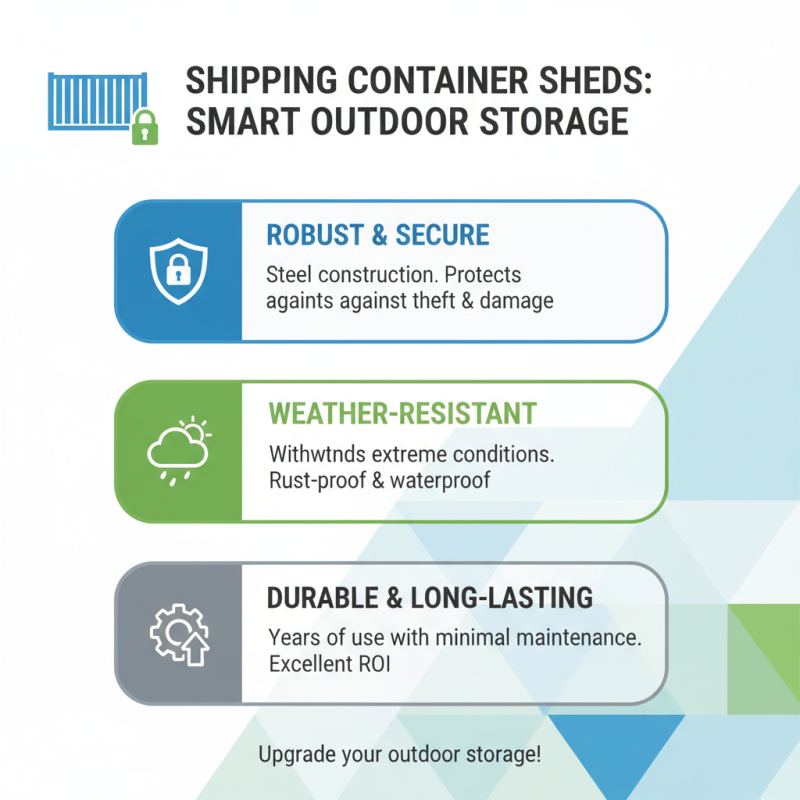
Shipping container sheds are becoming popular for outdoor storage. They offer many advantages for those looking for practical solutions. The robust design ensures your items stay safe. Made from steel, they withstand harsh weather conditions well. This durability makes them a worthy investment for long-term use.
Another key benefit is the spacious interior. Shipping containers come in various sizes, providing ample room for tools, equipment, or seasonal items. They can be easily organized with shelves or racks inside. However, you might face challenges when installing one on uneven ground. Proper preparation is essential to avoid this issue.
Cost-effectiveness is another reason to consider shipping container sheds. They often cost less than traditional storage buildings. Yet, maintenance can sometimes be overlooked. Regular checks for rust or leaks are crucial for longevity. Even a small issue can lead to bigger problems if ignored.
Durability and Longevity: Why Container Sheds Last
Shipping container sheds have gained popularity for outdoor storage. These unique structures offer remarkable durability and longevity. Unlike traditional wood sheds, container sheds resist the elements effectively. They do not rot, warp, or succumb to pests. This means less maintenance over time, which is a huge advantage for busy homeowners.
When considering a container shed, think about insulation. Proper insulation can help regulate temperatures inside. This is essential if you store sensitive items. Additionally, ensure good drainage around the shed to prevent water damage. Even the sturdiest container can suffer if water pools nearby.
If you plan to customize your container shed, remember that heavy modifications may impact its structure. Striking a balance between functionality and integrity is crucial. Small windows and ventilation can improve airflow. Regular inspection for rust spots will extend its life. These practical steps will enhance the shed’s longevity, allowing you to enjoy its benefits for years.
Top Benefits of Using Shipping Container Shed for Your Outdoor Storage Needs
| Benefit |
Description |
Longevity Factor |
| Durable Construction |
Built from heavy-duty steel, resistant to extreme weather. |
Lasts 25 years or more with proper maintenance. |
| Weather Resistance |
Impervious to rust, mold, and pests, keeping contents safe. |
Provides reliable protection throughout its lifespan. |
| Cost-Effectiveness |
Lower initial investment compared to traditional sheds. |
Reduced replacement costs due to longevity. |
| Versatility |
Can be customized for various uses: storage, workshops, etc. |
Adapts to changing needs over time. |
| Eco-Friendly Option |
Recycled materials reduce environmental impact. |
Long life cycle reduces waste. |
Cost-Effectiveness of Using Shipping Containers for Storage
Using a shipping container shed for outdoor storage can be surprisingly cost-effective. These durable containers are often available at a lower price than traditional storage solutions. Many people find that a single used shipping container meets their storage needs without breaking the bank. Local suppliers and auctions often sell them at competitive prices.
Besides the initial cost, shipping containers require less maintenance compared to standard wooden sheds. Their steel structure withstands harsh weather, preventing the need for frequent repairs. Additionally, these containers offer good security. Their lockable doors deter theft more effectively than many other storage options.
However, they do come with challenges. Finding a suitable space for a shipping container can be tricky. Some areas have zoning regulations against them. Loading and unloading items might also be cumbersome due to limited access in some designs. While the initial expense is often lower, there are factors that require careful consideration and planning.
Top Benefits of Using Shipping Container Shed for Your Outdoor Storage Needs
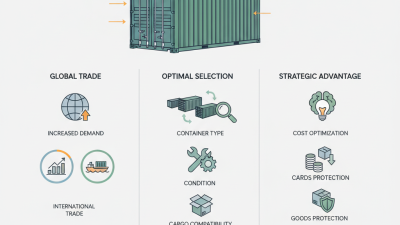
This chart illustrates the cost-effectiveness metrics associated with using shipping container sheds for outdoor storage. The initial cost, maintenance cost, durability, space efficiency, and flexibility are evaluated to highlight the advantages that shipping containers provide for storage solutions.
Versatility and Customization of Container Storage Solutions
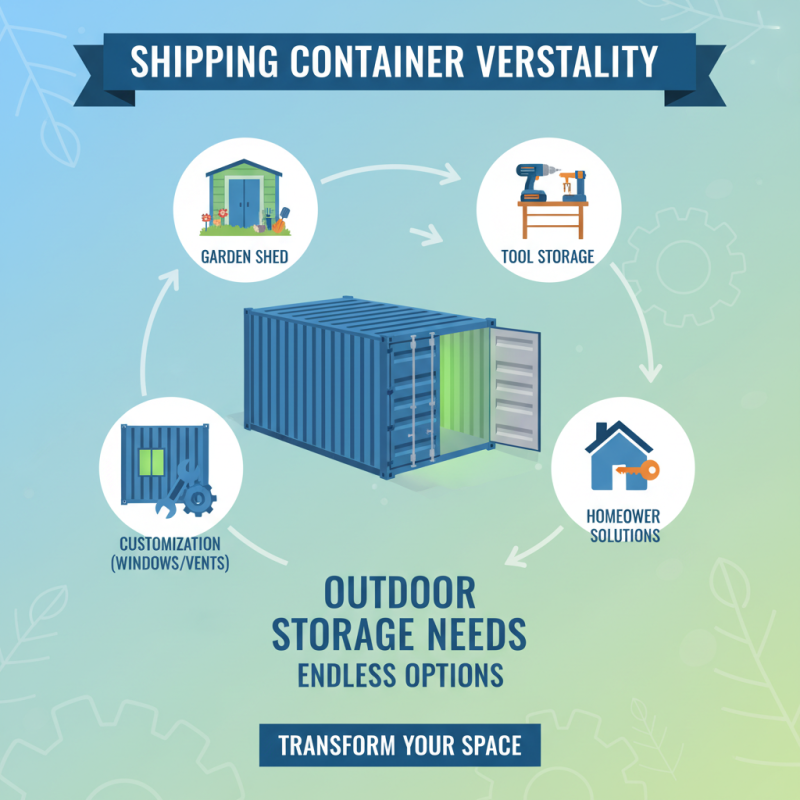
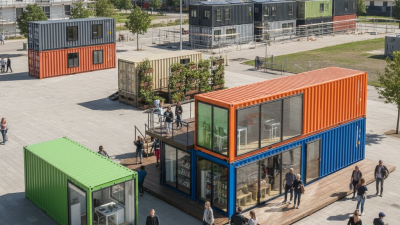
When it comes to outdoor storage needs, shipping containers stand out. Their versatility is remarkable. You can use them for various purposes. From a garden shed to a tool storage area, the options are endless. Homeowners often customize these containers. Adding windows or ventilation can transform a box into a functional space.
Customization doesn’t stop there. Some choose to paint the containers in vibrant colors. Others may add shelving or built-in cabinets. Each option makes the container more personal. It's a chance to reflect your style. However, customization can pose challenges. Proper planning is essential to avoid poor decisions that impact usability. Thinking ahead saves you time and effort.
Accessibility is another consideration. A well-placed container can enhance your yard’s functionality. At times, placements may lead to accessibility issues. But exploring different layouts can mitigate this. With a bit of imagination, you can create a wonderful outdoor storage solution that meets your unique needs.
Environmental Benefits of Reusing Shipping Containers for Sheds
Shipping containers have emerged as a popular choice for outdoor sheds. Reusing these containers significantly reduces waste. According to a report by the Bureau of International Recycling, every year, around 6 million shipping containers become excess inventory. Instead of ending up in landfills, these containers can serve new purposes, helping the environment.
These structures offer durability and insulation. A study from the Environmental Protection Agency highlights that repurposing metal reduces energy consumption by 90% compared to producing new materials. Using shipping containers helps minimize the carbon footprint. They can withstand harsh weather, making them ideal for storage without needing constant repairs.
However, there are challenges with using shipping containers. Not all containers are in good condition. Some may contain rust or damage that requires repairs. Additionally, insulation is often necessary for temperature control. Addressing these issues is vital for maximizing the benefits of repurposed containers.