Top 10 Benefits of Using Shipping Container Transport for Your Business?
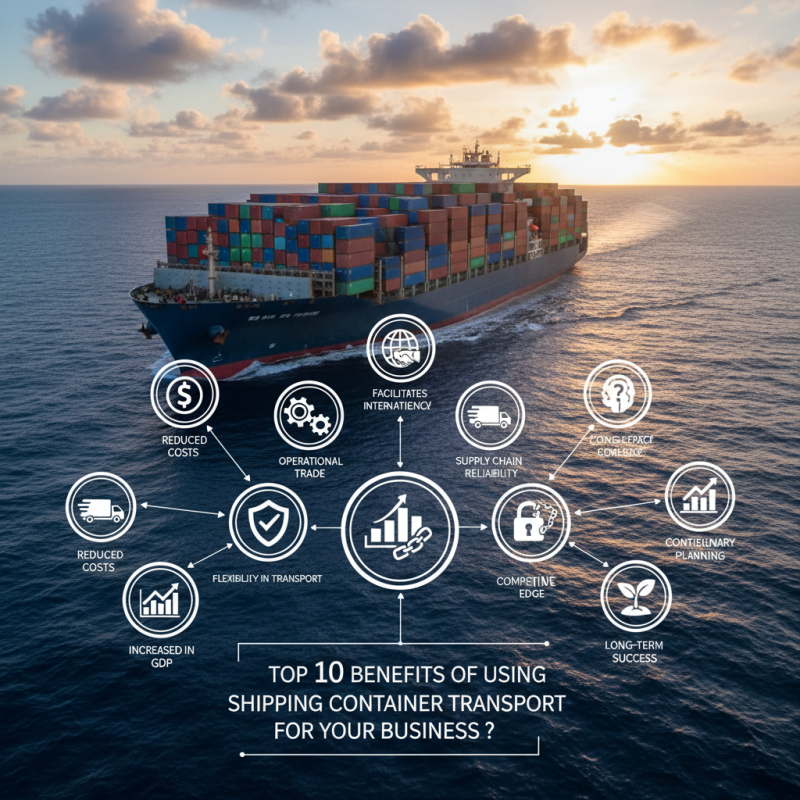
In today's global marketplace, shipping container transport has emerged as a vital solution for businesses of all sizes. According to a 2022 report by the United Nations Conference on Trade and Development, over 90% of world trade is carried by sea. This highlights the importance of efficient transport logistics. Companies leveraging shipping container transport can reduce costs and enhance operational efficiency. With shipping costs projected to drop by 10% in 2023, businesses have more reason to consider this method.
Shipping container transport not only facilitates international trade but also allows for flexibility in transporting diverse goods. The World Bank reports that improved transport infrastructure can increase a country's GDP by up to 2%. This presents a strong incentive for businesses to embrace container shipping. However, challenges remain, such as fluctuating freight rates and port congestion. It's crucial for businesses to navigate these complexities mindfully.
Investing in shipping container transport can provide a competitive edge. Companies that adapt effectively can witness improved supply chain reliability. Yet, reliance on this method should be accompanied by contingency plans. Understanding the risks involved is essential for long-term success. With the right strategies, shipping container transport can usher in significant benefits for businesses looking to thrive in a dynamic market.
Understanding Shipping Container Transport: An Overview
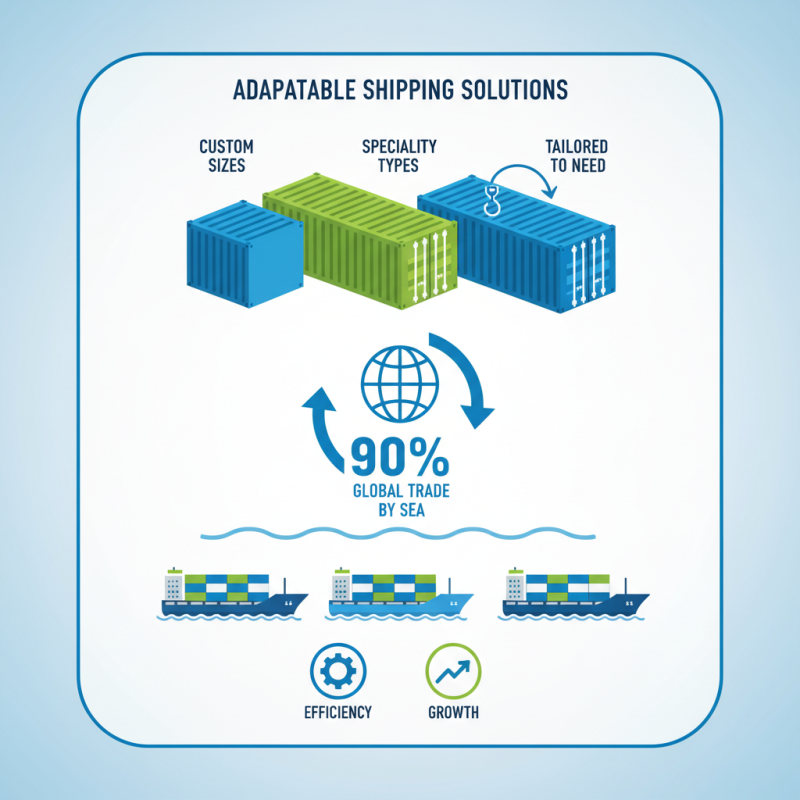
Shipping container transport has transformed logistics and supply chain management. Using standardized containers improves efficiency. According to a report by the World Bank, approximately 90% of global trade is carried by container ships. This method allows for the safe and secure movement of goods across various distances.
Containers can withstand harsh conditions at sea. They minimize cargo damage and loss potential. However, improper loading can still lead to issues. Research indicates that nearly 60% of cargo loss incidents are due to inadequate securing of containers. This highlights the need for careful handling and adherence to best practices in container shipping.
The flexibility of container transport is noteworthy. It adapts easily to different transport modes, like rail and truck. This intermodal capability can enhance logistics efficiency. Despite this, businesses must remain vigilant to market fluctuations. The constant changes in shipping demand can pose challenges. Understanding these variables is crucial for effective logistics planning.
Top 10 Benefits of Using Shipping Container Transport for Your Business
| Benefit | Description | Cost Efficiency | Environmental Impact |
|---|---|---|---|
| Durability | Shipping containers are designed to withstand harsh conditions, protecting goods from damage. | Reduces loss due to damage. | Contributes to longevity of transport assets. |
| Versatility | Containers can be used for various types of cargo, including liquids, perishables, and general goods. | Eliminates need for multiple transportation methods. | Encourages diverse shipment methods. |
| Streamlined Logistics | Eases the loading and unloading process at ports and roadways, improving efficiency. | Speeds up delivery schedules. | Less congestion at transportation hubs. |
| Security | Containers provide high levels of security against theft and damage. | Minimizes insurance costs due to reduced risk. | Protects the environment by reducing the need for packaging. |
| Standardization | Standard container sizes help simplify shipping and storage processes across logistics networks. | Optimizes space and transport costs. | Encourages uniform shipping practices. |
| Cost Predictability | Utilizing container transport often leads to predictable shipping costs. | Better financial planning for businesses. | Allows for sustainable operational practices. |
| Port Accessibility | Containers can access a wider range of ports than traditional transport methods. | Flexibility in choosing routes, reducing transportation times. | Minimizes inland carbon footprints. |
| Reduced Carbon Footprint | Shipping containers are often moved using fuel-efficient vessels and trucks. | Cost savings through efficient fuel use. | Supports businesses in sustainability goals. |
| Market Reach | Allows businesses to reach international markets easily. | Expands potential customer base and revenue. | Encourages global sourcing and distribution practices. |
| Inventory Management | Facilitates just-in-time inventory practices through efficient transport. | Lowers holding costs for businesses. | Encourages lean inventory practices. |
Related Posts
-

How to Use Second Hand Shipping Containers for Affordable Home Projects
-
How to Navigate Shipping Container Moving for Your Next Big Move
-
2026 How to Use Shipping Containers for Sustainable Living?
-

2026 Top Uses for Second Hand Shipping Containers What You Need to Know?
-

Maximizing Efficiency: Essential Tips for Shipping Container Moving in Urban Areas
-

Understanding the Costs and Challenges of Shipping Container Delivery in Today's Market