Top 10 Benefits of Using Second Hand Containers for Business?
In today's competitive market, businesses seek innovative solutions. One such solution is utilizing second hand containers. These containers can serve various functions, from storage to shipping. Choosing second hand containers can provide cost savings while promoting sustainability.
More businesses recognize the benefits of reusing materials. Second hand containers often come at a fraction of the cost of new ones. This can free up resources for other crucial areas. However, some may worry about the quality of these containers. It's vital to inspect each one before purchasing.
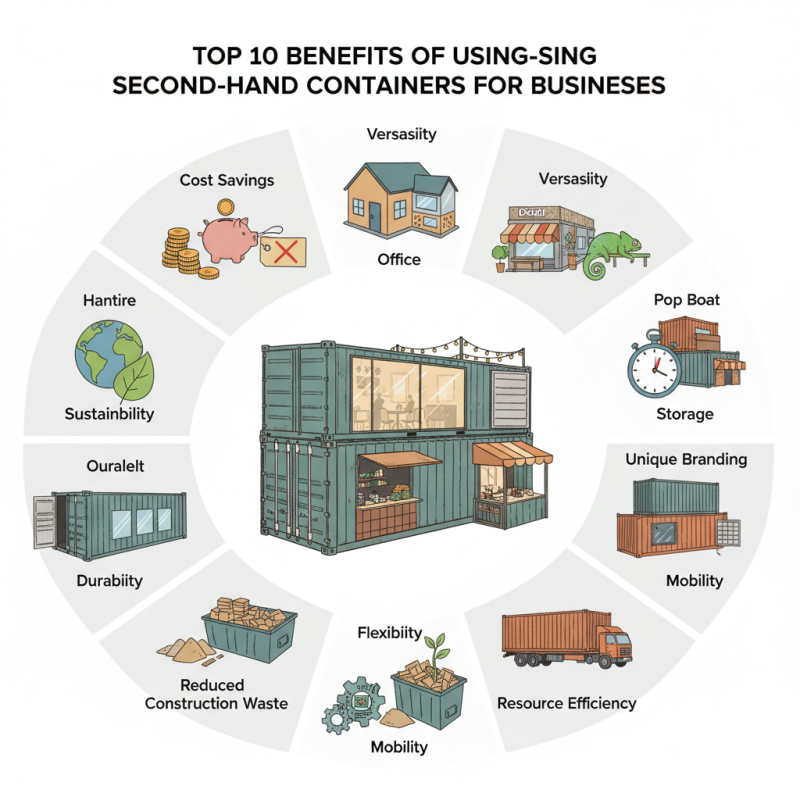
The versatility of second hand containers is noteworthy. They can be transformed into offices, pop-up shops, or even homes. This adaptability can inspire unique branding opportunities. Yet, relying on second hand containers may require creativity and additional effort. Overall, understanding both the advantages and challenges of second hand containers is essential for any business aiming to thrive.
Benefits of Cost Savings Through Second Hand Containers in Business Operations
Using second-hand containers in business operations offers significant cost savings. These containers are often available at a fraction of the price of new ones. Businesses can allocate these savings towards other critical areas, like marketing or product development. This option is especially appealing for start-ups or companies on tighter budgets.
Additionally, second-hand containers can provide quick solutions for storage and transportation needs. Many businesses rely on efficient logistics. Investing in used containers can enhance operational efficiency. However, it’s essential to assess their condition thoroughly. If neglected, they may require repairs, which can offset initial savings. Striking the right balance between cost and quality is crucial.
Moreover, purchasing second-hand containers supports sustainability. It reduces waste and promotes the reuse of resources. However, businesses should consider the potential challenges. Sourcing reliable suppliers is essential. Not all second-hand containers are created equal. Thorough research and careful vetting of suppliers can help. There is always a risk of inadequacy or compliance issues. Thus, informed decision-making is vital.
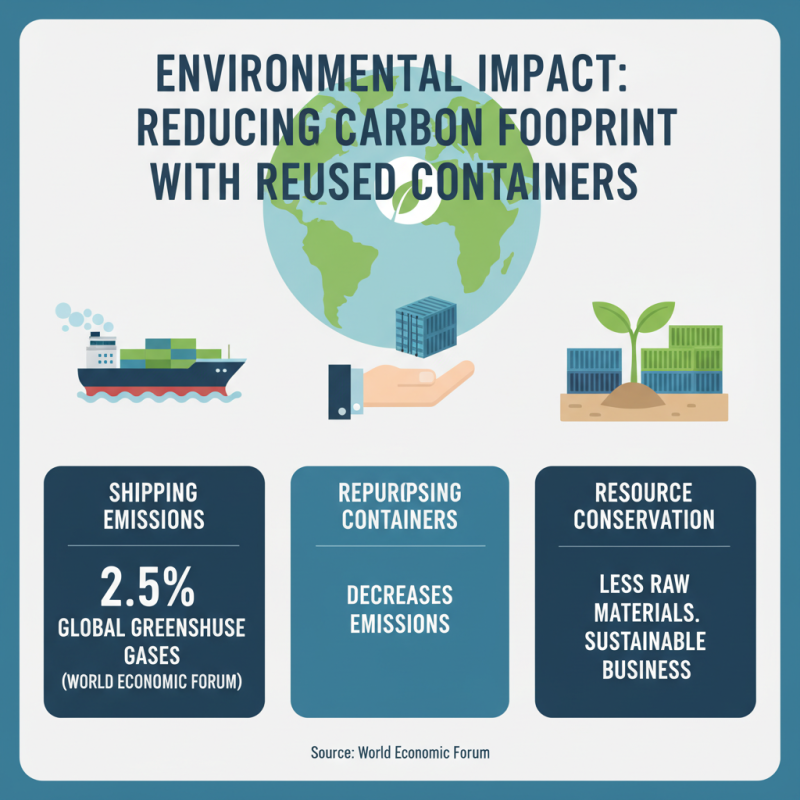
Environmental Impact: Reducing Carbon Footprint with Reused Containers
The environmental impact of reusing second hand containers is significant. According to a report by the World Economic Forum, the shipping industry emits around 2.5% of global greenhouse gases. By repurposing these containers, businesses can effectively reduce this footprint. Reused containers consume fewer resources compared to new ones, decreasing the need for raw materials. This process is crucial for sustainable business practices.
Reports suggest that for every twenty containers reused, the carbon footprint is reduced by nearly 25%. This reduction is essential in combating climate change. Reusing containers not only cuts emissions but also minimizes waste. Landfills are overflowing, and second-hand containers provide a solution. They can be transformed into offices, pop-up shops, or even homes, thus extending their life cycle.
Some challenges exist, however. Sourcing quality containers can be inconsistent. Not all containers are created equal; some may require repairs. While second-hand options lower costs, consumers must also invest in maintenance. This element of uncertainty can be frustrating for businesses. Yet, the environmental benefits far outweigh these hurdles. Embracing this practice reflects a commitment to sustainability and a healthier planet.
Flexibility and Versatility: Adaptable Solutions for Various Industry Needs
Second-hand containers provide remarkable flexibility for various industries. Their adaptability is crucial for businesses needing customized solutions. A restaurant, for instance, can modify a shipping container into a food truck. This transformation offers both mobility and uniqueness. Creativity thrives in such projects, but not every design will meet local regulations. Reflecting on these requirements is essential.
Moreover, the versatility of containers makes them suitable for diverse applications. Retailers find them excellent for pop-up shops. Events organizers can use them for temporary storage or ticket booths. Each use case challenges business owners to rethink standard practices. Some attempts may fall short or look inconsistent, prompting a re-evaluation of the design process.
Ultimately, second-hand containers open doors for innovation. Businesses can experiment with layouts and functionalities that suit their needs. However, navigating the possibilities requires clear insights and a willingness to adapt. This approach fosters growth, but it also demands continuous reflection on what works and what needs improvement.
Quality Assurance: Ensuring Durability in Second Hand Container Usage
When using second-hand containers, quality assurance plays a vital role. Many businesses turn to used containers for storage and shipping. However, it’s essential to assess their durability. A thorough inspection can reveal hidden issues. Look for rust, structural integrity, and any potential leaks. These factors directly affect the lifespan and effectiveness of the container.
Durability is not just about appearance; it’s about functionality. Some containers may look great but have underlying problems. Experienced users suggest testing the seals and joints for water resistance. Consider how the containers will be used. Will they withstand rough handling during transport? It’s crucial to think ahead and choose wisely.
Quality assurance can save costs in the long run. A reliable second-hand container can serve your business well for years. Conversely, a poor-quality choice may lead to frequent repairs or replacements. Document inspection results to ensure accountability. This approach fosters trust between businesses and suppliers. Quality matters, especially in a competitive market. Making informed decisions is essential for successful operations.
Market Demand Trends: Increasing Popularity of Sustainable Packaging Solutions
The demand for sustainable packaging solutions has surged in recent years. Businesses are increasingly aware of environmental impact. This awareness drives a shift towards second-hand containers. Using these containers can reduce waste and promote recycling efforts.
Market trends indicate a growing preference for eco-friendly options. Consumers favor companies that prioritize sustainability. This desire influences businesses to adopt practices that are less harmful to the planet. Utilizing second-hand containers not only meets this demand but also offers cost benefits. Companies can save money while contributing positively to their communities.
However, there are challenges to consider. Sourcing quality second-hand containers can be difficult. Not all containers are suitable for every type of product. Businesses must review their options carefully. Additionally, the perception of quality may vary among consumers. Communicating the value of using second-hand containers is crucial. Transparency about sourcing and usage can enhance credibility and trust.
Top 10 Benefits of Using Second Hand Containers for Business