What Is the Best 20ft Storage Container for Sale?
Choosing the best 20ft storage container for sale requires more than comparing online prices. A suitable unit should protect tools, stock, furniture, or equipment from rain, dust, and changing temperatures. It must also fit your property, access route, and intended storage period.
Dave O’Brien, a long-time container industry professional, is often associated with this practical advice: “Choose the container for the job, not simply for the price.” That principle matters. A cheaper container may have worn door seals, heavy corrosion, damaged flooring, or difficult locking bars. Those defects can create repair costs after delivery.
Condition matters most.
This guide examines the details buyers often overlook. We will consider cargo-worthy and wind-and-watertight conditions, steel construction, marine-grade plywood floors, door operation, ventilation, and external paint quality. We will also discuss delivery access, crane requirements, placement surfaces, and possible local permissions. These factors can change the final cost substantially.
The best 20ft storage container is not always the newest one. A well-maintained used container can offer excellent value. However, judging condition from photographs alone is risky. Images may hide roof dents, underside rust, or uneven doors. An in-person inspection is better, although it is not always practical for remote buyers.
Small mistakes become expensive.
A reliable seller should provide clear specifications, recent photos, delivery terms, and a written condition description. Buyers should ask about previous use, lockbox installation, floor damage, and refund policies. This approach cannot remove every uncertainty, but it makes the purchase more informed, realistic, and secure.
What Is a 20ft Storage Container and How Is It Used?
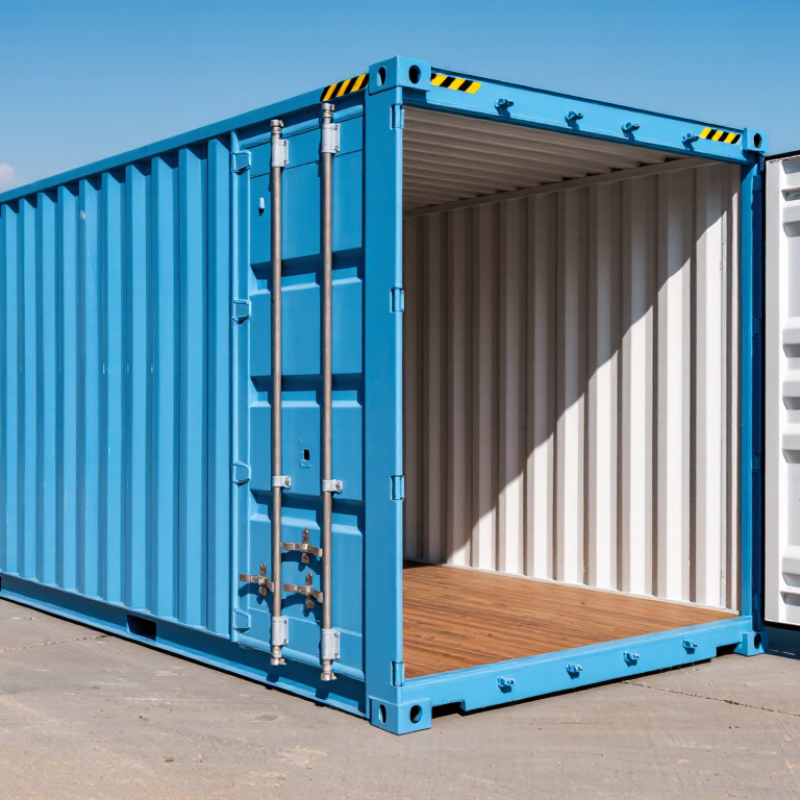
A 20ft storage container is a steel, weather-resistant unit measuring about 20 feet long, 8 feet wide, and 8 feet 6 inches high. Its internal space usually reaches approximately 1,170 cubic feet, though dimensions vary by construction. A standard double-door opening can make loading easier. Solid flooring supports boxed goods, tools, furniture, and equipment. However, it is not automatically moisture-proof inside. Temperature changes can create condensation, especially in humid areas.
People use these containers during home renovations, business expansion, seasonal storage, and construction projects. A household might store sofas, bicycles, and sealed cartons inside. A workshop may protect spare materials from rain and dust. From practical inspection experience, ventilation and ground clearance matter greatly. Place the unit on level blocks or a prepared base. Keep heavy items low and distribute weight evenly. Do not ignore door alignment. Small installation errors can cause frustrating problems later.
Tips: Check the container’s condition before purchase. Look for corrosion, dents, damaged seals, and soft flooring. Confirm the internal height if you plan to store tall shelving. Use pallets to lift goods above the floor. Add vents when local conditions require better airflow. A lockable handle improves security, but it cannot replace a suitable site and regular checks. It is easy to buy too much space. Measure every large item first. Perhaps the “best” 20ft container is simply the one that fits your goods, access route, budget, and storage period.
What Is the Best 20ft Storage Container for Sale? - What Is a 20ft Storage Container and How Is It Used?
| Data Dimension | Typical Specification or Information | Why It Matters |
|---|---|---|
| Container Type | Standard 20-foot dry storage container | It is the most common general-purpose format for secure, enclosed storage. |
| External Length | Approximately 20 ft (6.06 m) | Allow additional clearance for delivery, access, doors, and ventilation. |
| External Width | Approximately 8 ft (2.44 m) | The width is suitable for standard loading areas and many residential or commercial sites. |
| External Height | Approximately 8 ft 6 in (2.59 m) | Check local height restrictions and overhead clearance before placement. |
| Internal Length | About 19 ft 4 in (5.90 m) | The usable floor length is shorter than the external length because of the wall structure and doors. |
| Internal Width | About 7 ft 8 in (2.35 m) | Measure large items before purchase because interior width limits placement and aisle space. |
| Internal Height | About 7 ft 10 in (2.39 m) | Provides vertical storage capacity, while stacked goods should remain stable and below the roof. |
| Approximate Internal Volume | Approximately 1,170 cubic ft (33.1 cubic m) | Useful for estimating how much furniture, equipment, inventory, or household goods can fit. |
| Door Opening | Approximately 7 ft 8 in wide × 7 ft 5 in high (2.34 m × 2.26 m) | The door opening, rather than the interior dimensions, often determines whether bulky items can be loaded. |
| Tare Weight | Commonly about 4,850–5,300 lb (2,200–2,400 kg) | The container’s own weight affects transport requirements, foundations, and site load calculations. |
| Maximum Gross Weight | Often up to 67,200 lb (30,480 kg), subject to the unit plate and local regulations | Never exceed the specific container’s safety plate, road limits, or lifting restrictions. |
| Floor Area | Approximately 148 sq ft (13.8 sq m) | This helps compare the container with a storage room, garage, or temporary workspace. |
| Construction Material | Corten or similar weather-resistant steel, with corrugated wall panels | Steel construction provides strength and resistance to normal outdoor exposure when maintained properly. |
| Floor Construction | Marine-grade plywood or hardwood flooring over steel cross members | Inspect for water damage, soft spots, stains, and excessive wear before buying a used unit. |
| Ventilation | Passive vents, commonly positioned near upper side walls | Ventilation helps reduce condensation, although it does not provide climate control. |
| Security Features | Locking bars and a lockable handle; a separate lockbox may be added | A protected lock point can make unauthorized access more difficult than a basic padlock arrangement. |
| Best Uses | Household storage, tools, machinery, building materials, seasonal inventory, and site equipment | The enclosed, weather-resistant design suits items that need protection from rain, dust, and unauthorized handling. |
| Items Requiring Extra Care | Electronics, documents, textiles, food, artwork, and temperature-sensitive goods | A standard container is not temperature-controlled; use insulation, dehumidification, or a specialized unit when necessary. |
| Site Preparation | Level, firm, well-drained ground with support beneath the corner castings | Proper support reduces frame stress, door alignment problems, standing water, and uneven loading. |
| Delivery Clearance | Allow space for the delivery vehicle, unloading movement, overhead lines, and door access | A suitable container cannot be safely delivered or used if the access route is too narrow or obstructed. |
| What to Check Before Purchase | Dimensions, door operation, roof condition, floor condition, corrosion, watertightness, vents, and structural markings | A detailed inspection helps distinguish a serviceable storage unit from one requiring costly repairs. |
Note: Dimensions and capacities are typical industry values for standard 20-foot dry containers. Actual specifications may vary by manufacturer, production year, container condition, and applicable regulations.
Related Posts
-
Top Uses for a 20ft Storage Container in Your Business or Home?
-
Discover How a 20ft Storage Container Can Transform Your Space and Simplify Your Life
-
20 Best Uses for a 20ft Storage Container?
-
2025 Top 5 Uses for 20ft Shipping Containers You Need to Know
-

How to Choose the Right 20ft Shipping Container for Your Needs
-
China Best 20ft Shipping Container for Global Buyers?