Best Freight Container Types for Your Shipping Needs?
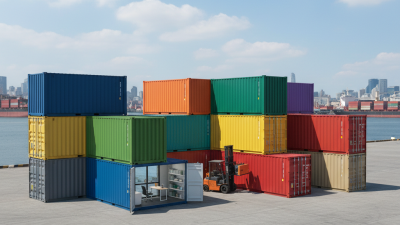
When it comes to shipping goods, understanding the best freight container types is essential. Freight containers come in various shapes and sizes, each designed to suit specific needs. Choosing the right type can make a significant difference in your shipping efficiency.
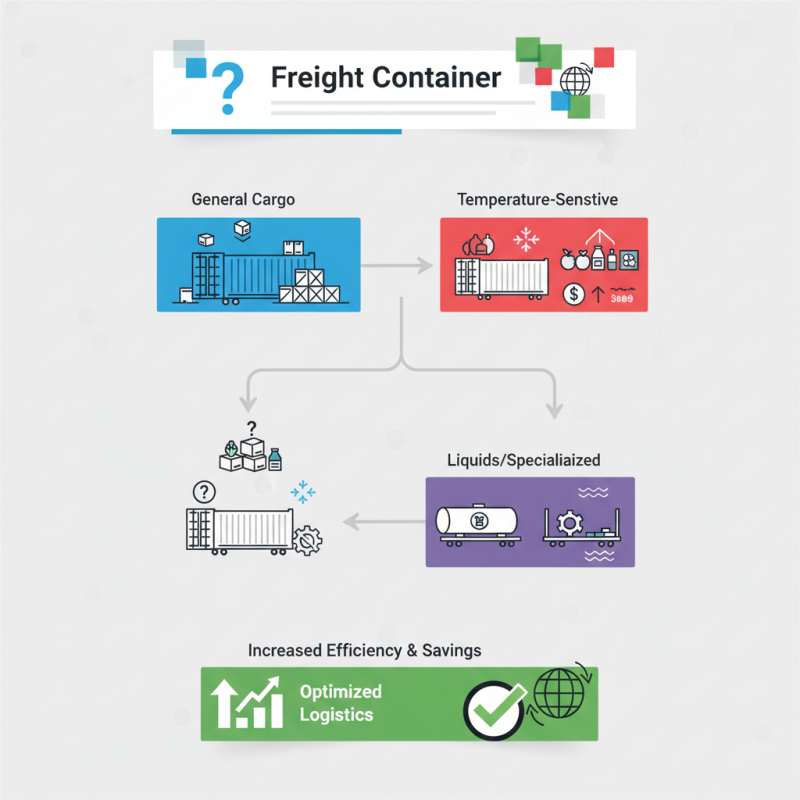
One common type is the standard dry container, perfect for general cargo. However, they may not be suitable for perishable items. Refrigerated containers are ideal for temperature-sensitive products, but they come at a higher cost. Then, there are specialized containers for liquids or oversized machinery, which present unique challenges.
Despite the variety, not all businesses know which containers best meet their needs. This can lead to inefficiencies and increased costs. Reflecting on your shipping requirements is crucial. Are you transporting food or machinery? Understanding these details can guide your choice of freight container. Wise decisions can enhance your logistics and impact your bottom line.
Overview of Freight Container Types
When considering freight shipment, choosing the right container type is crucial. Containers come in various designs to meet diverse transportation needs. Standard dry containers are the most common type. They are versatile, sealed, and protect goods from the elements. Ideal for everyday cargo, they provide reliable space without special considerations.
For specific cargo types, alternatives exist. Refrigerated containers are essential for perishable items. These units maintain temperature. They can be crucial for food safety. Another option is the open-top container. It's suitable for tall or heavy shipments. These containers are easy to load from above, providing flexibility for unique cargo.
Some containers pose challenges. For example, flat racks are efficient but require careful loading. They expose cargo to weather. That's a risk not all businesses can afford. Understanding each type helps in decision-making. Each container brings benefits and drawbacks. Therefore, knowing your specific needs is key before making a choice.
Characteristics of Standard Freight Containers
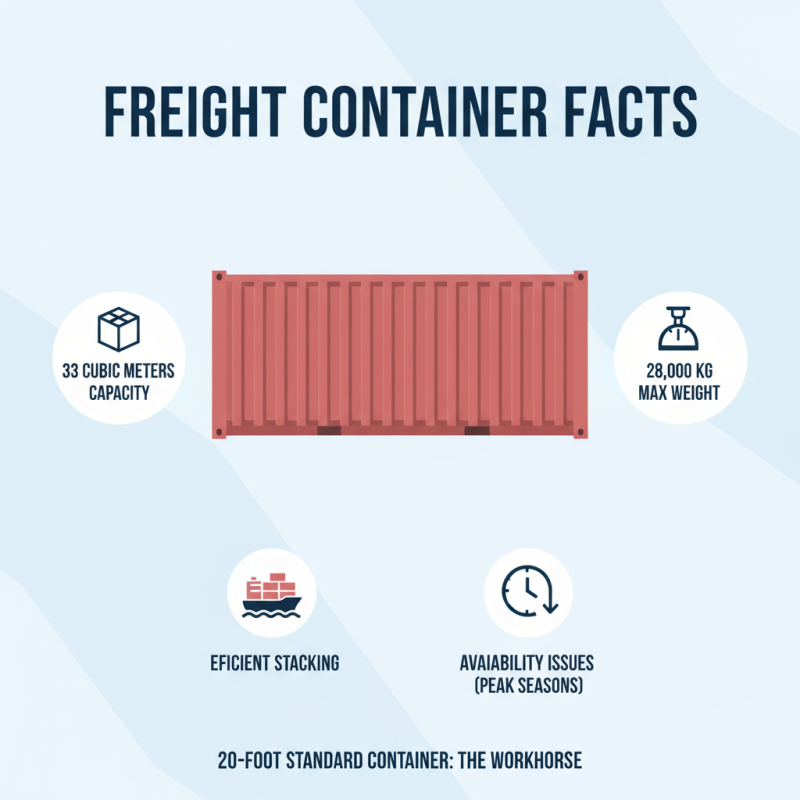
When evaluating standard freight containers, understanding their characteristics is crucial. The most common type is the 20-foot standard container. It has a capacity of about 33 cubic meters and can hold roughly 28,000 kilograms. This container is ideal for shipping small to medium-sized goods. Its compact size allows for efficient stacking, which optimizes space on cargo ships. Yet, this popularity can lead to availability issues during peak seasons.
Another widely used option is the 40-foot container. With double the capacity of the 20-foot, it offers about 67 cubic meters of space. This makes it suitable for larger shipments and bulk items. However, shipping rates can vary significantly based on demand and container availability. A report from the International Freight Forwarders Association highlights that nearly 50% of shippers face difficulties in securing containers during busy periods. This inconsistency can complicate logistics planning.
It's important to note that not all standard containers are suited for every product. For instance, a typical container may not provide adequate temperature control for perishable items. As industry standards evolve, more specialized containers are emerging. These are tailored to specific goods, such as refrigerated products or hazardous materials. However, the increasing complexity can also lead to confusion among shippers. Identifying the right container type requires careful consideration of both the product and shipping environment.
Specialized Containers for Unique Shipping Needs
When it comes to shipping goods, specialized containers play a crucial role. Each type of container serves a specific purpose. Refrigerated containers, or reefers, are ideal for perishable items. These containers maintain a consistent temperature. This is essential for food, pharmaceuticals, and anything sensitive to heat.
Flat rack containers offer flexibility for bulky items. They can carry heavy machinery or large structures. However, securing these items can be challenging. Users must pay attention to the loading process to avoid damage. Furthermore, open-top containers provide easy access for oversized cargo. Rain and wind can pose issues, so proper precautions are necessary.
Another type is the tanker container, used for liquids. These containers are designed to prevent leaks. However, incorrect handling can lead to spills or contamination. Each specialized container comes with its own set of challenges. It is important to carefully consider your shipping needs to choose the right one. Every decision impacts cost and efficiency.
Choosing the Right Container for Your Cargo
Choosing the right container for your cargo can be challenging. Different types of freight containers serve various shipping needs. It’s essential to understand what your goods require. Standard containers are versatile but may not suit all items.
For unique items, consider specialized containers. Refrigerated containers are crucial for perishable goods. They maintain a specific temperature during transit. On the other hand, open-top containers are ideal for oversized cargo. These containers allow for easier loading and unloading.
Choosing the right container can save time and costs. Yet, it's easy to overlook details like dimensions and capacity. Improper sizing can lead to damage or delays. Reflect on your cargo carefully before deciding. It’s better to double-check than to face problems later.
Best Freight Container Types for Your Shipping Needs
| Container Type |
Dimensions (L x W x H) |
Volume (m³) |
Weight Capacity (kg) |
Best Used For |
| Standard Dry Container |
20' x 8' x 8.5' |
33.2 |
28,200 |
General Cargo |
| High Cube Container |
40' x 8' x 9.5' |
76.4 |
30,480 |
Heavy Goods |
| Reefer Container |
40' x 8' x 9.5' |
67.7 |
30,480 |
Temperature-Sensitive Cargo |
| Open Top Container |
20' x 8' x 8.5' |
32.6 |
27,000 |
Bulk Cargo |
| Flat Rack Container |
20' x 8' x 8.5' |
30.4 |
30,000 |
Heavy Machinery |
Best Practices for Container Loading and Handling
When it comes to container loading and handling, careful planning is crucial. Ensure that each container is packed efficiently. Utilize all available space for maximum load capacity. Consider the weight distribution in each container. Uneven weight can cause tipping or damage during transit. Keep fragile items on top, and use padding materials as necessary.
In addition, secure items properly. Use straps or ropes to prevent movement during shipment. Inspect the containers before loading. Any damage can lead to costly losses. Pay attention to the weather during shipping. Rain or humidity can affect certain types of cargo. Have contingency plans in place for unexpected issues.
Don’t overlook training for handling personnel. They should be equipped with the right skills. Improper handling can result in accidents. Document all loading processes for accountability. Reflect on any past mistakes. Learning from them can enhance future operations. Proper practices lead to smoother shipping experiences and improved reliability.
Best Freight Container Types for Your Shipping Needs