2026 Best High Cube Shipping Container Options for Buyers?
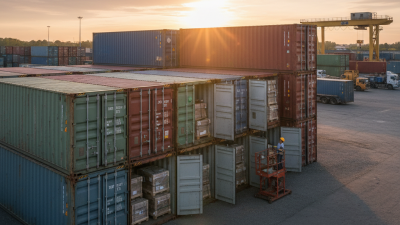
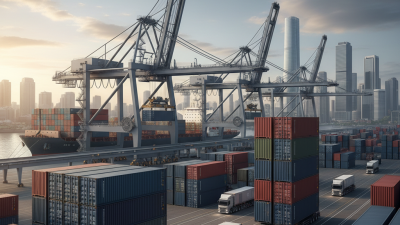
The demand for high cube shipping containers continues to rise in 2026, as businesses seek efficient storage solutions. These containers provide an extra foot of height compared to standard containers, maximizing space for goods. According to a recent report by Container Market Insights, the global high cube container market is expected to grow by 7% annually. This growth is driven by e-commerce and the need for cost-effective logistics.
Industry expert James Holloway, a leading figure in container logistics, emphasizes, “High cube shipping containers are revolutionizing storage and transportation.” His insights highlight how these containers offer versatility and adaptability for various sectors, from retail to manufacturing. Companies increasingly recognize that optimizing storage space is crucial for profitability.
While the advantages are clear, buyers must consider factors like price fluctuations and availability. Not all suppliers guarantee quality standards. Thus, understanding the market landscape is essential for making informed choices. Adapting to these challenges can lead to long-term benefits in efficiency and cost savings.
Selection Criteria for High Cube Shipping Containers in 2026
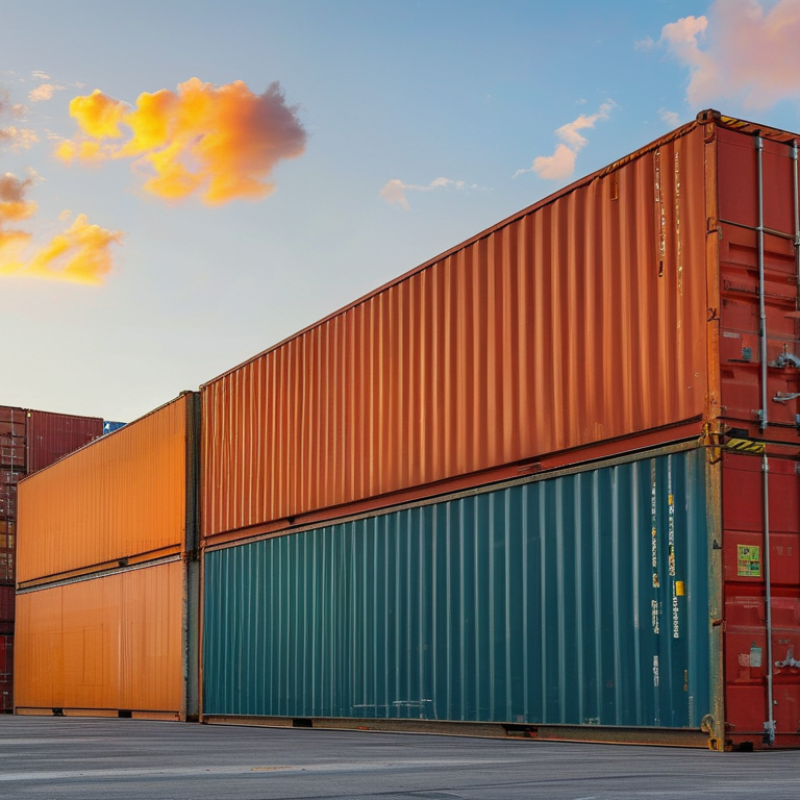
When selecting high cube shipping containers in 2026, buyers should consider important criteria. Height is a primary factor. High cube containers typically stand 9.5 feet tall, offering extra vertical space. This additional height can significantly enhance storage capacity, useful for businesses needing more space.
Another crucial criterion is material durability. Most high cube containers are made from corten steel, known for its resistance to corrosion. A recent industry report indicates that containers made from this material can last over 25 years with proper maintenance. Additionally, consider insulation options. For climate-sensitive goods, insulated high cube containers provide better temperature control.
Cost is always a concern. The average price for a new high cube container has risen to nearly $5,000 in 2026. However, used containers remain a more budget-friendly choice, often available at around $2,500. Buyers must weigh durability against upfront costs. It’s worth noting that shipping container values may fluctuate, so staying updated on market trends is essential for informed purchasing decisions.
Top Manufacturers of High Cube Shipping Containers for Buyers
When considering high cube shipping containers, selecting the right manufacturer is crucial. These containers provide an extra foot in height compared to standard containers, allowing for more storage space. Various manufacturers specialize in high cube containers. They offer different qualities, materials, and price points.
Look for manufacturers with a strong reputation. Experience matters, especially when assessing durability. Some manufacturers have been in the industry for decades. Their background often indicates reliability. Reviews and testimonials from previous buyers can also provide valuable insight.
Tip: Assess your needs before purchasing. Know what you plan to store. Container dimensions can affect your space and transportation costs.
Another key point is the quality of materials used. High cube containers can be made from Corten steel, known for its strength and resistance to weathering. Evaluate the container's condition. Even minor rust can affect integrity over time.
Tip: Always inspect a container before buying. Look for issues like dents or leaks. Such defects can lead to bigger problems later on.
Finally, explore delivery options. Some manufacturers offer delivery services, which can save you time and effort. However, ensure the shipping fee aligns with your budget.
Comparative Analysis of Used vs. New High Cube Shipping Containers
When considering high cube shipping containers, buyers often face the choice between used and new options. Each has its pros and cons, which can significantly impact your budget and usage. New containers offer pristine condition and reliability. They come with a warranty, ensuring fewer maintenance costs in the near term. However, they typically carry a higher price tag.
On the other hand, used high cube containers provide substantial savings. These containers are usually available in various conditions. Some may require repairs or maintenance, making it crucial to inspect them thoroughly. Look for signs of rust, structural damage, or leaks. This approach can save money but demands extra diligence.
Tips for Buyers:
- Always request detailed photos and a history of the used container. Understanding its past can reveal potential future issues.
- Compare multiple dealers to find the best price and service. Do not rush; take your time to choose wisely. Not every deal is a good one. You might find a hidden gem or, conversely, a problematic container.
- Think ahead about your container’s intended use. Will it be for storage, shipping, or something else? Your needs can greatly influence your choice between new and used options.
2026 Best High Cube Shipping Container Options for Buyers
This chart shows the average prices of used and new high cube shipping containers as of 2026. Used containers generally have a lower cost compared to their new counterparts, reflecting the depreciation and the condition of the units. Buyers should consider these factors when making purchasing decisions.
Cost Considerations for Purchasing High Cube Shipping Containers
When considering high cube shipping containers, cost is a crucial factor. The average price range for these containers varies significantly based on size and condition. New high cube containers often cost between $3,000 and $5,000, while used options can be found for as low as $1,500. According to a 2023 industry report, shipping container prices have risen by 15% over the past year due to increased demand and supply chain issues.
Buyers should also consider additional costs, such as transportation and delivery fees. Transportation costs can add another $500 to $1,000, depending on distance and logistics. It’s important to factor in potential modifications. Modifications, such as adding insulation or windows, can increase the total investment. Industry data shows that customizations can raise costs by 20% to 40% on average.
However, some buyers overlook these expenses. It’s essential to conduct a thorough cost analysis. Assessing long-term value is also vital. A high cube container can serve various purposes, from storage to mobile offices, providing flexibility. This versatility can justify initial costs if used wisely. Remember, evaluating your specific needs will help mitigate unnecessary spending in the long run.
Customization Options Available for High Cube Shipping Containers
High cube shipping containers offer versatile solutions for various storage and construction needs. These containers, typically 9.5 feet tall, provide extra vertical space. Customization options are abundant, enabling buyers to tailor containers to their specific requirements.
For instance, users can add windows and doors for easy access and ventilation. Insulation is another vital option for those needing temperature control. According to a recent industry report, customizing high cube containers can enhance their utility by up to 30%. Buyers should consider their unique needs before proceeding with modifications.
**Tip:** Research local regulations regarding container modifications. Compliance is crucial in avoiding fines or rejections.
Another aspect often overlooked is the container's foundation. Depending on the intended use, setting an appropriate foundation can prolong the container’s lifespan. Customized flooring choices can prevent damage from moisture. The right flooring option may also impact your operational costs significantly.
**Tip:** Always assess the site conditions before installation. A proper site evaluation can save time and resources.
2026 Best High Cube Shipping Container Options for Buyers
| Container Size |
Height |
Width |
Length |
Max Payload (lbs) |
Customization Options |
| 20 ft |
9.5 ft |
8 ft |
20 ft |
44,000 lbs |
Ventilation, Insulation, Custom Doors |
| 40 ft |
9.5 ft |
8 ft |
40 ft |
26,000 lbs |
Painting, Shelving, Electrical Wiring |
| 45 ft |
9.5 ft |
8 ft |
45 ft |
29,000 lbs |
Windows, Extra Doors, Custom Flooring |
| 10 ft |
9.5 ft |
8 ft |
10 ft |
32,000 lbs |
Lock Boxes, Reinforcements, Refrigeration |