Why Are Cargo Containers Essential for Global Trade?
Cargo containers play a crucial role in global trade. They are the backbone of shipping, allowing goods to move efficiently across borders. As logistics expert Dr. Emily Carter puts it, "Cargo containers have revolutionized the way we trade by making global supply chains more streamlined." This statement highlights the significance of cargo containers in today's interconnected economy.
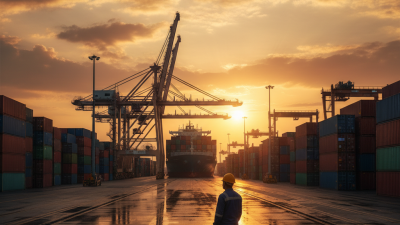
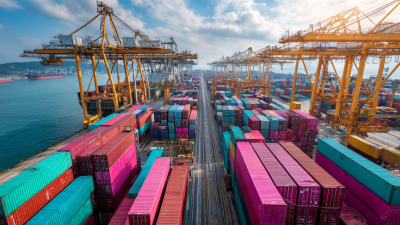
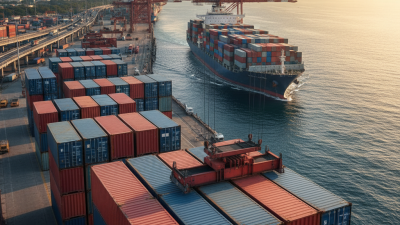
Navigating bustling ports and busy shipping lanes, cargo containers symbolize modern commerce. From electronics to food, these containers transport vital goods worldwide. However, the reliance on cargo containers raises questions. Are we prepared for challenges such as environmental impacts and shipping delays? The industry is often criticized for its carbon footprint, yet it remains essential to daily life.
Cargo containers not only connect nations but also reflect the complexities of international trade. They can sometimes be seen as impersonal boxes, but they represent the diverse cultures and economies they serve. As we continue to depend on this infrastructure, we must consider ways to improve efficiency while fostering sustainability. The journey of every cargo container invites deeper reflection on our global trade practices.

The Role of Cargo Containers in Modern Logistics
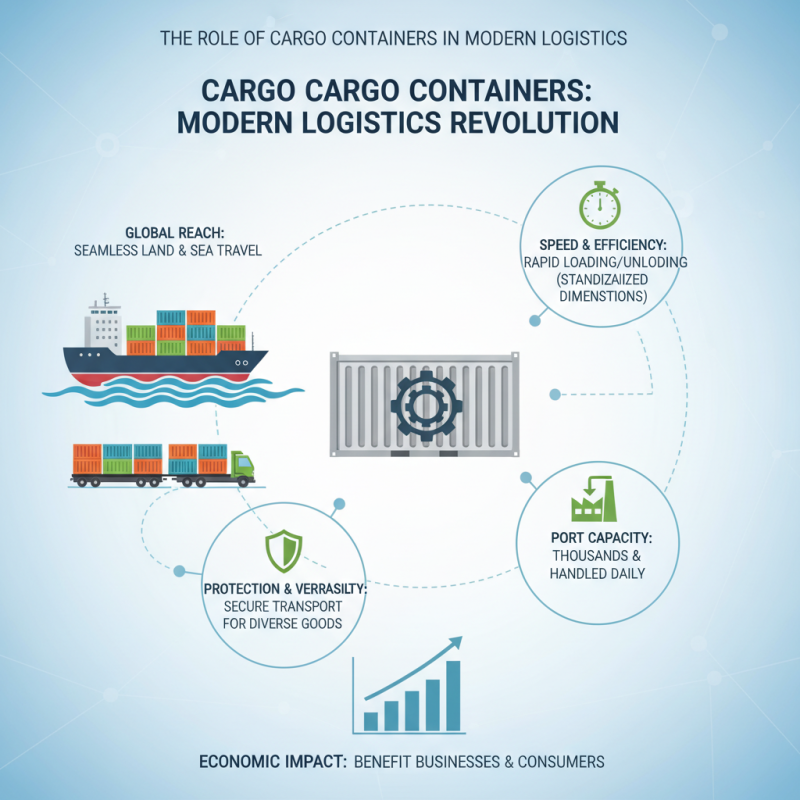
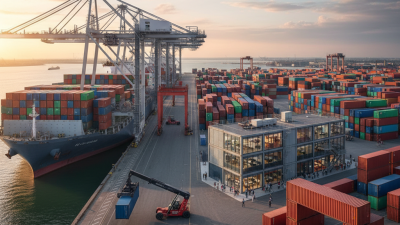
Cargo containers have transformed modern logistics operations. These metal boxes are designed for efficiency and protection. They can hold various goods and travel seamlessly across land and sea. With standardized dimensions, loading and unloading become quicker. Port facilities can handle thousands of containers daily. This speed benefits businesses and consumers alike.
However, challenges persist in container logistics. Congestion at ports can delay shipments. Inefficient management may lead to empty containers piling up. Additionally, there are concerns about the environmental impact. Heavy reliance on shipping contributes to carbon emissions. Innovations such as eco-friendly containers are emerging. Yet, these solutions are often slow to implement across the industry.
The flexibility of cargo containers cannot be overstated. They adapt to different modes of transport, enhancing supply chain resilience. Containers can be stacked high, maximizing storage space. This adaptability is essential in today’s fast-paced trade environment. Still, the need for improved infrastructure and technology remains a critical topic. How can logistics companies balance efficiency with sustainability? This question prompts further reflection and dialogue within the industry.
How Cargo Containers Enhance Supply Chain Efficiency
Cargo containers play a pivotal role in enhancing supply chain efficiency. These metal boxes streamline the transportation process, making it easier to transfer goods across various modes of transport. Their standard sizes allow for easy stacking and storage. Ships can load thousands of these containers at once, reducing shipping times significantly. This speed is critical in a world where demand for rapid delivery is high.
However, there are challenges in using cargo containers. Sometimes, containers may be misplaced or delayed at ports. This can disrupt supply chains, causing companies to rethink their logistics strategies.
The reliance on containers can also lead to congestion in major ports. The efficiency gained can be offset by these unexpected issues, highlighting the need for better management systems. Cargo containers transform global trade, yet they bring their own set of complexities that require constant attention.
The Standardization of Cargo Containers and Its Impact on Trade
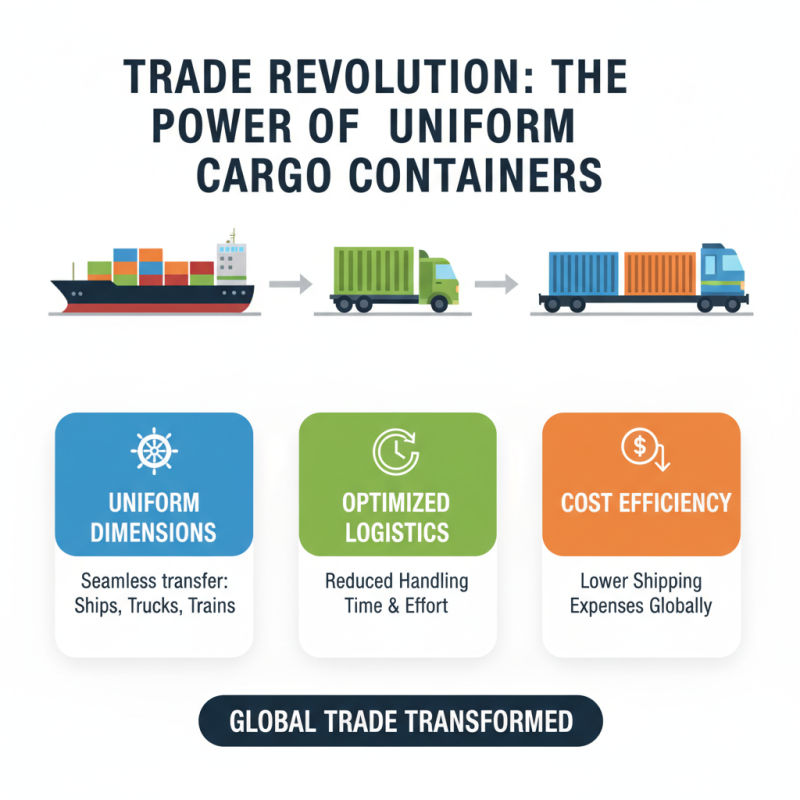
Cargo containers have revolutionized global trade through their standardization. This shift has allowed for efficient shipping across various modes of transport. The dimensions of these containers are uniform, which means they can easily move from ships to trucks or trains without the need for repacking. As a result, handling times are minimized, and costs are significantly reduced. This has changed the way goods are transported around the world.
Tips for businesses: Always consider container size when planning shipments. Different sizes can impact cost-effectiveness. Ensure proper loading techniques to avoid damage. Even slight miscalculations can lead to delays.
The impact of standardization goes beyond efficiency. It has also sparked discussions on sustainability and waste. For instance, plastic use in containers raises concerns. While containers last for years, they still contribute to environmental issues when decommissioned.
Engage with your supply chain partners to discuss sustainability practices. Regularly review your shipping methods to adapt to changing regulations. Small changes can make a significant difference in reducing your carbon footprint.
Environmental Benefits of Using Cargo Containers in Shipping
Cargo containers play a vital role in global trade. They enable efficient transportation of goods across long distances. One of the most significant benefits of using cargo containers is their environmental impact. They offer a more sustainable way to ship products compared to traditional methods.
Using cargo containers reduces carbon emissions. By maximizing the space for transport, fewer trips are needed. This leads to lower fuel consumption. Additionally, cargo containers are designed to stack efficiently, which optimizes ship capacity. However, not all routes or methods leverage these advantages fully.
There are challenges to consider. Not every shipping port is equipped to handle containerized cargo, leading to inefficiencies. In some cases, containers can contribute to waste when they are damaged or discarded carelessly. Though containers offer many benefits, a focus on circular practices is needed. This way, we can ensure that the advantages of container shipping truly benefit our planet.
Environmental Benefits of Using Cargo Containers in Shipping
Challenges and Innovations in Cargo Container Transportation
Cargo containers play a crucial role in global trade, but they face numerous challenges. One significant issue is port congestion. Many ports are overwhelmed, leading to long wait times for ships. This delay affects supply chains and increases costs. Another challenge is container tracking. Without efficient tracking systems, containers can get lost or misrouted. Improved technology, like GPS, is essential for addressing this issue.
Innovations are emerging to tackle these problems. For instance, some companies are developing automated port systems. These can speed up loading and unloading processes. Additionally, some ports are adopting digital platforms for better container management. These initiatives improve efficiency but also require significant investment. There are concerns about the infrastructure needed to support these advancements.
Sustainability is also a pressing issue in container transportation. Traditional shipping methods can be harmful to the environment. Alternatives like eco-friendly fuel options are being explored. However, the transition can be slow and costly. Freight companies must balance costs with environmental responsibilities. This ongoing evolution invites reflection on the future of global trade logistics.