How to Choose the Best Shipping Container Storage for Your Needs
In today’s fast-paced world, the demand for efficient and flexible storage solutions is ever-increasing. Shipping container storage has emerged as a popular choice for both individuals and businesses, serving a plethora of needs from long-term storage to temporary site solutions. According to a report by Allied Market Research, the global portable storage container market is projected to grow at a CAGR of 7.1% from 2020 to 2027, highlighting the increasing reliance on shipping containers for secure and adaptable storage options.
When selecting the best shipping container storage for your unique requirements, it’s crucial to consider a variety of factors including size, condition, and intended use. With countless options available, understanding the nuances of shipping container specifications can greatly impact your decision-making process. Industry insights suggest that the right shipping container not only offers reliable protection against the elements but also proves to be a cost-effective solution compared to traditional storage facilities. As we delve into the top choices for 2025, this guide aims to equip you with the knowledge to make an informed decision regarding your shipping container storage needs.
Understanding Your Storage Needs: Assessing Space and Accessibility Requirements
When selecting the best shipping container storage for your needs, understanding your storage requirements is crucial. Assessing your space needs is the first step. According to a report by the Container Owners Association, the global shipping container market is projected to grow significantly, with a 4.5% increase in demand anticipated annually through 2026. This growth highlights the importance of choosing a storage solution that not only meets current space needs but can also accommodate future expansion.
Next, accessibility is a key factor to consider. A study conducted by the American Storage Association indicates that nearly 50% of consumers prioritize accessibility when evaluating storage options. This means it's essential to consider the location of your shipping container and the ease with which you can access your stored items. Ideal storage solutions should provide shipping containers that are easily accessible for loading and unloading, ensuring that you can manage your inventory or belongings without unnecessary delays.
Shipping Container Storage Options
This bar chart illustrates the storage capacity of different types of shipping containers. When choosing a shipping container for storage needs, it is important to consider the capacity each option provides.
Evaluating Container Types: Choosing Between New, Used, and Customized Options
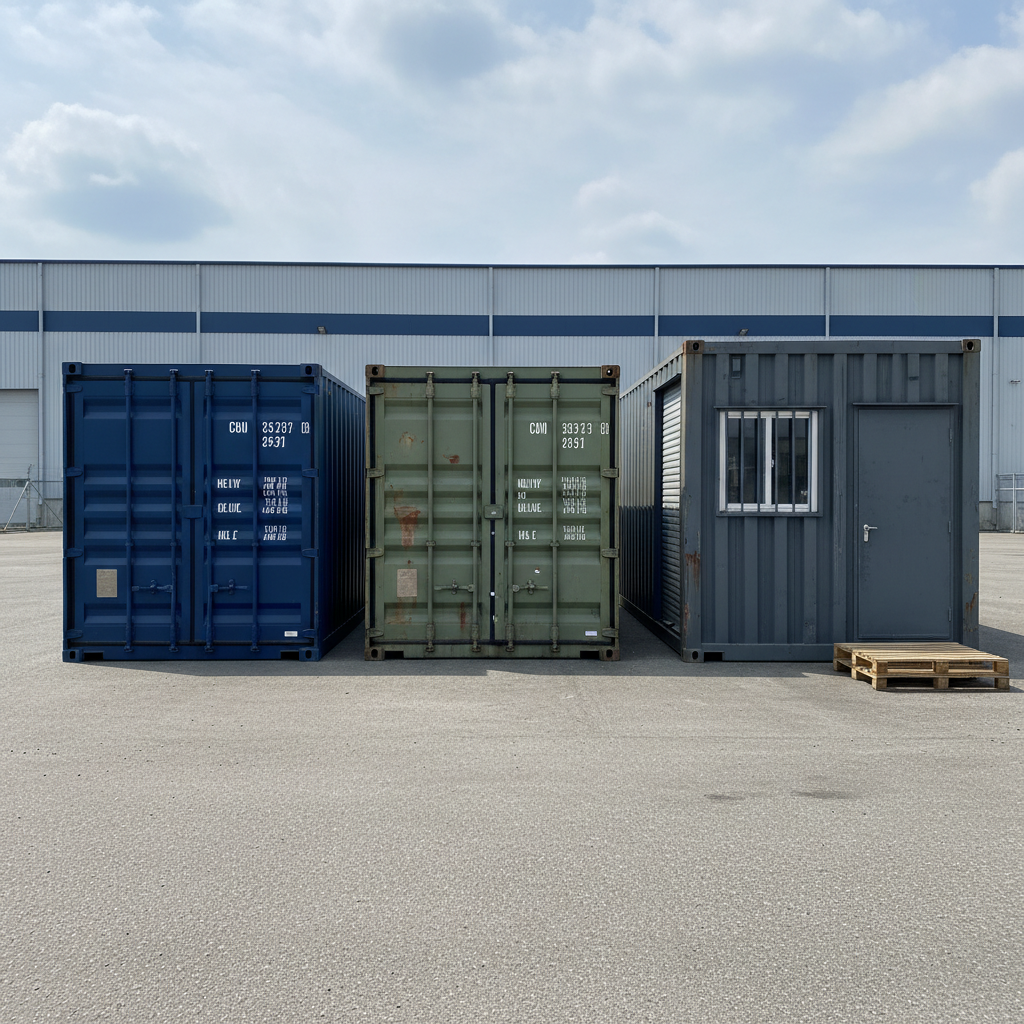
When selecting the ideal shipping container for storage, understanding the nuances between new, used, and customized options is crucial. New containers, while more costly, typically offer superior durability and a pristine appearance, making them a popular choice for businesses that prioritize aesthetics and longevity. According to a report by the Container Owners Association, the lifespan of a new container can reach up to 25 years, significantly reducing long-term replacement costs.
Conversely, used containers present a cost-effective alternative without compromising too heavily on quality. The used container market has grown exponentially, driven by an increasing demand for sustainable practices in storage solutions. The World Shipping Council notes that up to 90% of used containers are still structurally sound and functional, making them a viable option for many consumers. Additionally, customizing containers—be it for climate control, security features, or unique shapes—has become increasingly popular, catering to specific needs and enhancing the overall user experience. As the industry adapts, understanding these choices can lead to more efficient and personalized storage solutions.
Factors Influencing Cost: Budgeting for Purchase, Delivery, and Maintenance
When considering shipping container storage, budgeting is crucial in understanding the total cost involved. The price of a standard used shipping container typically ranges from $1,500 to $3,000, depending on the size and condition, according to a recent report by the Container Owners Association.
Additionally, transportation costs can vary significantly. For instance, moving a single container over a short distance may set you back around $200 to $500, but longer distances can escalate costs to upwards of $2,000 or more, influenced by fuel prices and logistical challenges.
Moreover, maintenance should not be overlooked in your budgeting process. Regular upkeep is essential for preserving the integrity of your shipping container. A report by the International Maritime Organization suggests that maintenance expenses can account for 10-15% of the initial purchase cost per year. Factors influencing these costs include protective coatings, rust prevention, and regular inspections to ensure safety and longevity.
By factoring in these variables, you can develop a realistic budget that accommodates not only the purchase price but also the ongoing costs associated with delivery and maintenance.
Locating the Ideal Provider: Researching Vendors and Their Offerings
When choosing the best shipping container storage for your needs, it's crucial to consider the vendors and their offerings in the context of the rapidly growing electronic manufacturing services (EMS) market. The global EMS market is projected to expand significantly, from $648.1 billion in 2025 to an astounding $1,033.17 billion by 2032, reflecting a robust compound annual growth rate (CAGR) of 6.9%. This growth underscores the increasing demand for efficient logistics and storage solutions tailored to the electronics sector.
Researching potential vendors involves evaluating their capability to meet the specific storage requirements of electronic components and products. Look for providers that offer specialized containers with climate control features and security options. Given the projected surge in the EMS market, finding a supplier who understands the nuances of storage and transportation within this industry can give you a competitive edge. Thoroughly assess vendor offerings, including customization options, to ensure you choose a provider that aligns with your operational needs and helps optimize your supply chain management.
How to Choose the Best Shipping Container Storage for Your Needs
| Vendor Type |
Container Size |
Condition |
Rental Price (per month) |
Delivery Options |
| Local Supplier |
20 ft |
Used |
$150 |
Standard |
| Online Retailer |
40 ft |
New |
$300 |
Express |
| National Provider |
10 ft |
Refurbished |
$100 |
Scheduled |
| Local Supplier |
20 ft |
New |
$200 |
Standard |
| Online Retailer |
40 ft |
Used |
$250 |
Express |
Ensuring Security and Safety: Implementing Measures for Container Protection and Integrity
When choosing the best shipping container storage for your needs, ensuring security and safety is paramount. Implementing robust measures for container protection and integrity becomes critical, particularly in light of rising cyber threats that can impact operations. According to recent research in cybersecurity, businesses face increased risks from online attacks, highlighting the necessity of employing advanced security protocols to safeguard sensitive data and assets.
To maintain the integrity of your shipping containers, consider integrating IoT technologies that facilitate real-time monitoring and data transmission related to environmental conditions and unauthorized access attempts. Studies indicate that incorporating such technologies not only enhances security but also provides actionable insights for preventive measures. Furthermore, employing strong physical security measures—like high-security locks and surveillance systems—should complement these digital safeguards, ensuring a comprehensive approach to protecting your investments.
In the context of regulatory compliance and data protection, it's essential to establish clear protocols for maintaining the integrity of the contents housed within the containers. As highlighted in industry reports, adherence to best practices can prevent data breaches and loss of sensitive information, reinforcing the importance of a dual-layered security strategy that integrates both physical security and technological advancements.