How to Choose the Right Second Hand Containers for Your Needs
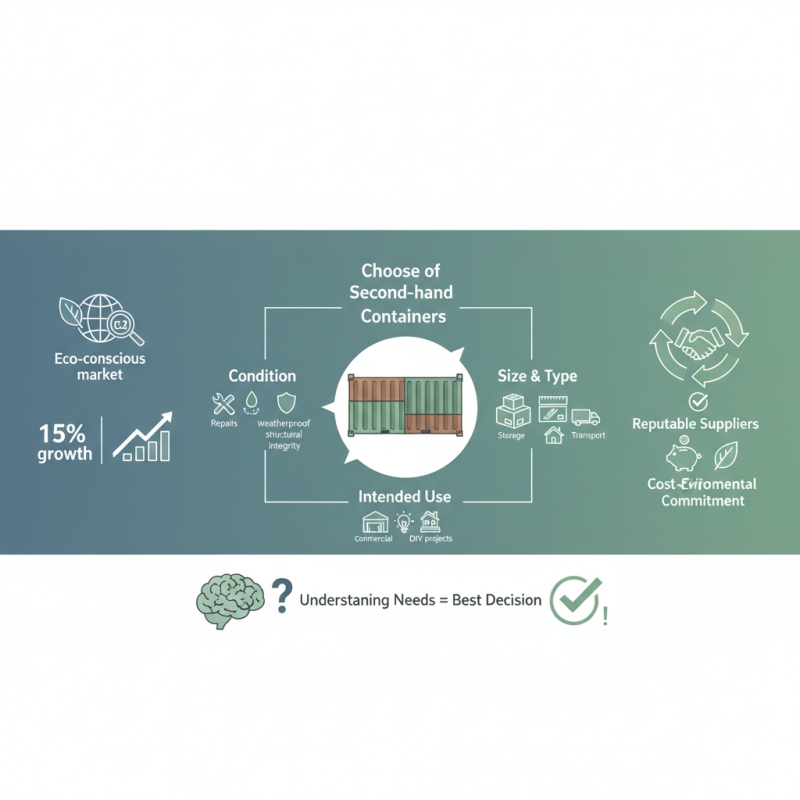
In today's eco-conscious market, the demand for sustainable solutions has led to a significant rise in the use of second hand containers. According to recent industry reports, the global market for used containers is projected to grow by over 15% in the next five years, highlighting a notable shift towards reusability and recycling. These containers not only provide a cost-effective alternative for businesses and consumers alike, but they also play a critical role in reducing waste and conserving resources. With the shipping industry producing millions of containers annually, the availability of second hand containers has become a viable option for various applications, from storage solutions to transportation needs.
When choosing the right second hand containers for your specific requirements, it is essential to consider factors such as the container's condition, size, and intended use. A thorough analysis of market trends and purchasing statistics reveals that selecting quality second hand containers can significantly enhance operational efficiency and reduce overhead costs. Additionally, engaging with reputable suppliers who prioritize sustainability ensures that you make informed choices that align with both your business goals and environmental commitments. As we delve further into the nuances of selecting second hand containers, it becomes clear that understanding your unique needs will empower you to make the best decision for your projects.
Identifying Your Specific Needs for Second Hand Containers
When it comes to selecting second hand containers, the first step is to clearly identify your specific needs. Determine the primary purpose of the containers – will you be using them for storage, transportation, or even as creative planters? Assess the volume and dimensions required to fit your goods or materials adequately. Additionally, consider the environmental factors the containers will be subjected to. For instance, if they will be exposed to the elements, look for containers that offer durability and weather resistance.
Tips: Make a checklist of your requirements before shopping, including size, material, and condition. This will help streamline your selection process and ensure you don't overlook any important factors.
Another crucial aspect to consider is the type of items you intend to store or transport. Different materials offer varying levels of protection and suitability for different contents. For example, if you’re storing liquids, ensure that the containers are designed to prevent leaks. On the other hand, if you're looking for containers for fragile items, prioritize those with better cushioning.
Tips: Don’t hesitate to ask sellers about the previous usage and any maintenance undertaken for the containers. Gaining insight into their history can help you assess their overall reliability and fit for your personal or business needs.
Evaluating Different Types of Second Hand Containers Available
When evaluating different types of second-hand containers, it's crucial to consider their
intended use, material, and condition. Various container materials, such as
plastic, metal, and wood, each offer unique
advantages and drawbacks. Research indicates that plastic containers are popular due to their
lightweight nature and versatility, while metal options often excel in terms of durability and security.
According to the International Container Transport Association, approximately
60% of recycled materials in logistics involve second-hand containers, highlighting their
pivotal role in sustainable practices.
In addition to material, assessing the physical condition of containers is essential. Containers that
show signs of wear or damage may compromise safety and efficacy,
particularly if they are intended for transporting food or sensitive materials. A study by the
Container Recycling Association notes that containers in good condition not only enhance product
safety but also significantly reduce the environmental impact of container disposal through
continued use.
Tips: When selecting second-hand containers, always check for any signs of wear,
including rust or cracks, which may indicate a shorter lifespan. Moreover,
consider the container's compatibility with your specific needs—be it storage, shipping, or display.
Lastly, ensure that you inquire about the container's previous usage, as this could affect its
suitability for your intended purpose.
Assessing the Condition and Quality of Used Containers
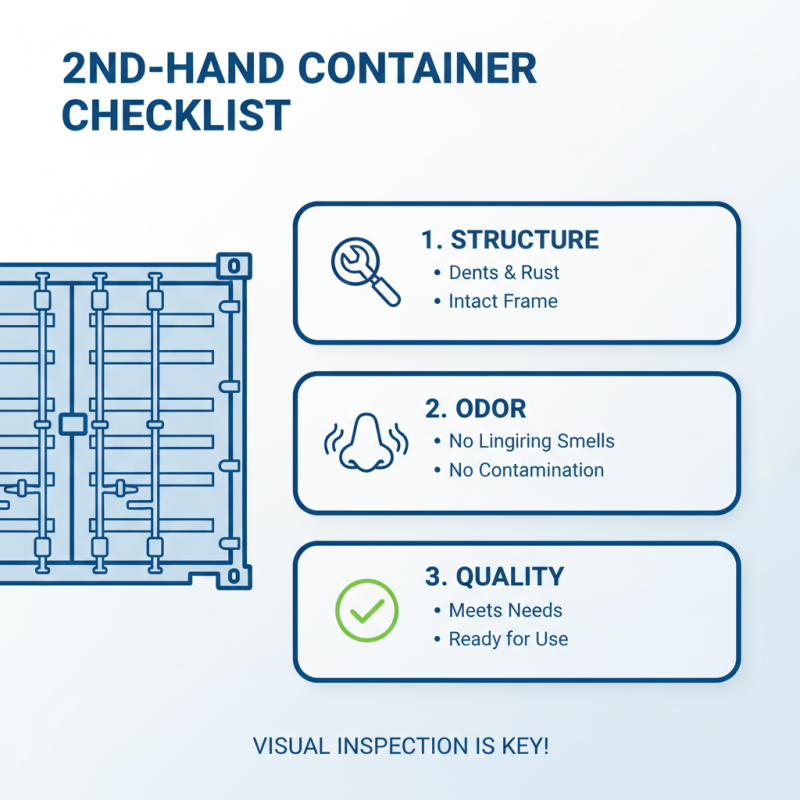
When selecting second-hand containers, carefully assessing their condition and quality is crucial to ensure they meet your needs. Start by examining the structure of the container; look for any obvious signs of damage such as dents, rust, or leaks. A thorough visual inspection can reveal potential concerns that may affect the container's usability. Additionally, check for any lingering odors that might indicate poor prior usage or contamination.
Tips: Always inquire about the container's previous use. Understanding its history can provide insights into its wear and degradation. Look for containers that have been well-maintained and serviced regularly. If possible, request records or certificates that can affirm the container's condition and prior maintenance.
Moreover, it's important to evaluate the inner surfaces of the container. They should be clean, free from corrosion, and not retain residues from previous contents. If you're considering a container meant for transporting food or sensitive materials, ensure that it meets safety standards. Conducting a thorough inspection not only safeguards your investment but also ensures that you get a container that will serve its purpose effectively.
Understanding Pricing and Affordability of Second Hand Options
When choosing second-hand containers, understanding pricing and affordability is essential for making a sound investment. The market for used containers varies significantly, and a variety of factors contribute to their prices. Age, condition, and type of container all play critical roles in determining cost. For instance, a well-maintained shipping container tends to carry a higher price tag than one with visible wear and tear. Hence, assessing these factors can help you identify a container that not only meets your requirements but also fits your budget.
Another important aspect to consider is the regional market demand. In areas where containers are in high demand, prices may escalate, making it more challenging to find affordable options. Conversely, in regions with abundant supply, you are likely to find better deals. It's also advisable to monitor the market regularly, as prices can fluctuate based on seasonal trends or economic conditions. By doing thorough research and comparison shopping, you can secure a second-hand container that aligns with both your functional needs and financial constraints.
Finding Reputable Sellers and Sources for Second Hand Containers
When looking for second hand containers, finding reputable sellers is key to ensuring quality and reliability. Start by seeking out local businesses or established online platforms that specialize in second hand goods. These sources often have a track record of providing customers with well-maintained containers, and you can verify their reputation through reviews and testimonials. Networking with industry professionals or participating in forums can also lead you to trusted sellers who have a positive history in the second hand market.
Tips: Always ask for pictures and detailed descriptions before making a purchase. This helps in assessing the condition of the containers. Additionally, consider visiting physical locations if possible; seeing the containers in person can provide reassurance about their state and usability. Don't hesitate to inquire about the history of the containers, including how long they were in use and any modifications they may have undergone.
Exploring community groups or second hand marketplaces is another effective strategy. These platforms often connect buyers with local sellers, making it easier to negotiate prices and ensure the containers meet your specific needs. Engaging with sellers directly allows you to ask questions, check for compliance with your required standards, and build a sense of trust that is important in any transaction.
Tips: When negotiating, be prepared with a budget and know the average market prices for the type of containers you're interested in. This information will empower you during discussions and help you reach a fair deal with the seller.