How to Choose the Best 40 Foot Storage Containers for Your Needs?
Choosing the right storage solution is vital for both personal and business needs. 40 foot storage containers offer ample space and flexibility. These containers can serve various purposes, from on-site storage during construction to secure warehouse solutions. With their sturdy construction, they protect your belongings against harsh weather and theft.
However, not every 40 foot storage container is the same. Factors such as material quality, accessibility, and security features must be considered. For example, are you looking for a container with ventilation? What about insulation? These questions help narrow your options. Sometimes finding a container that fits all your needs feels overwhelming.
Moreover, consider the cost and logistics. Prices can vary significantly based on condition and location. Picking the right vendor is crucial too. Reliable suppliers can offer guidance and support throughout your selection process. Amid so many choices, it is easy to feel unsure. Take your time, do your research, and make the choice that best suits your needs.
Understanding Your Storage Needs for a 40-Foot Container
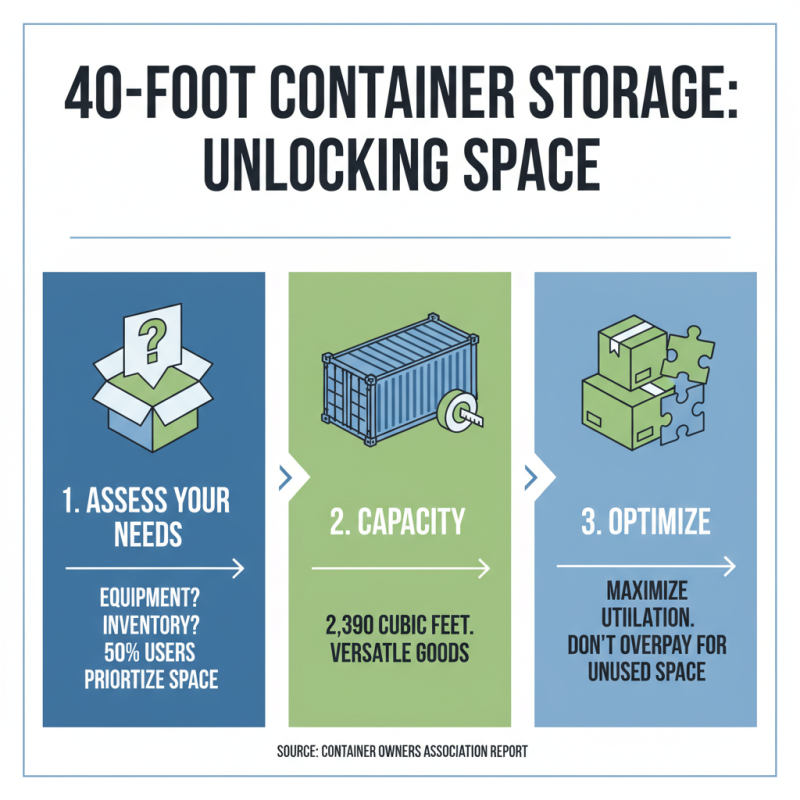
Understanding your storage needs is crucial when selecting a 40-foot container. According to a report by the Container Owners Association, around 50% of container users prioritize space utilization. This is essential for businesses that store equipment or inventory. A 40-foot container offers approximately 2,390 cubic feet of space, which can accommodate various types of goods. However, evaluating how much you truly need is key.
Consider the dimensions of your items before making a decision. If your inventory consists of larger equipment, a 40-foot container may be ideal. However, if you have smaller items, alternatives like 20-foot containers could be more efficient. Research from the International Maritime Organization suggests that overpacking can lead to damaged goods. Thus, understanding your specific requirements will help maintain the integrity of what you store.
Additionally, consider accessibility. Will the container be placed in a location that is easy to access? A study from the Storage Container Association highlights that 30% of users overlook this factor. It can significantly impact how often you retrieve items. Determining the right balance between space, accessibility, and security is vital. Reflect on your needs to choose the best option for effective and safe storage.
Factors to Consider When Selecting a Storage Container Size
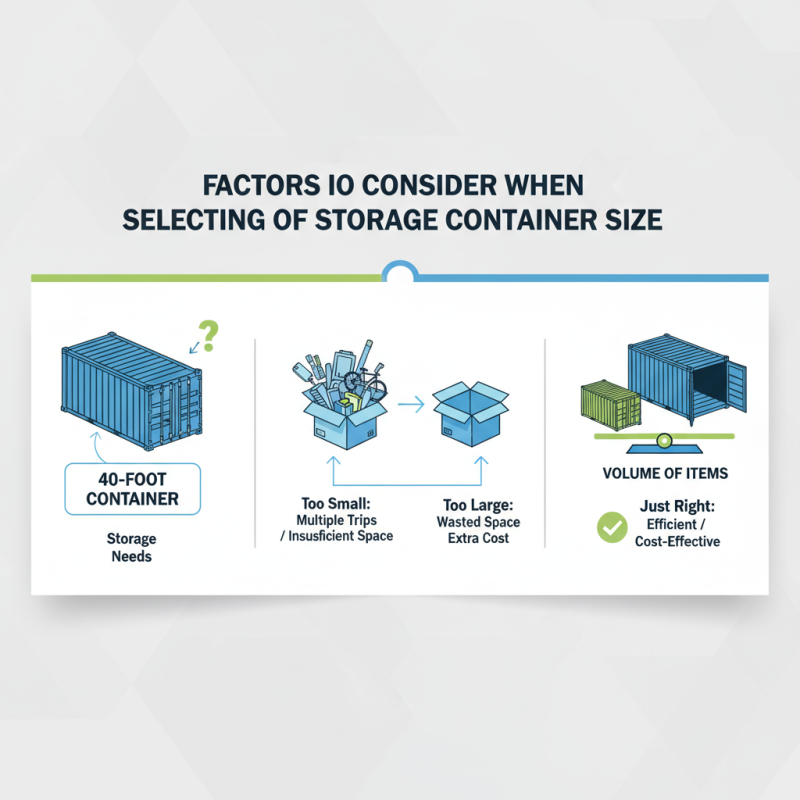
When selecting a 40-foot storage container, size is a crucial factor. Assess your storage needs carefully. Consider the volume of items you plan to store. This ensures you choose a container that accommodates everything without unnecessary extra space. A container that is too large may lead to wasted space, while a small one could require multiple trips.
Evaluate the types of materials you need to store. Are they bulky or oddly shaped? This may affect your choice. Think about accessibility as well. If you foresee frequent access to certain items, ensure there is room to maneuver within the container.
Environmental conditions also play a role. If storing sensitive items, choose containers that offer insulation or moisture control. Reflect on potential future needs too. If you anticipate acquiring more possessions, opt for a slightly larger container now. Making these considerations can save you from future storage frustrations.
Types of 40-Foot Storage Containers Available on the Market
When selecting a 40-foot storage container, it's important to know the different types available. These containers can be modified or customized for various needs.
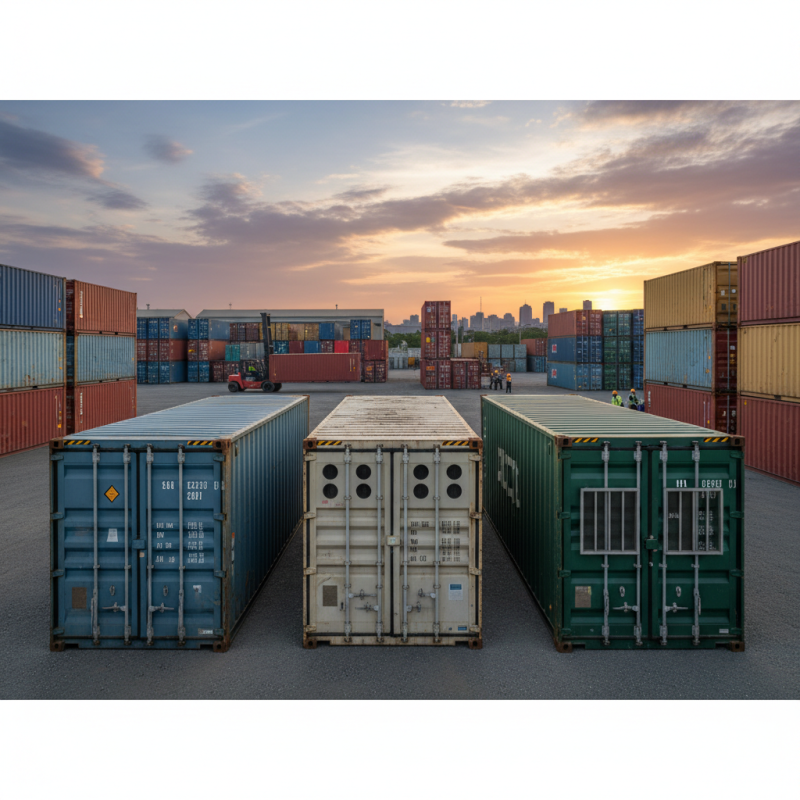
Standard shipping containers are robust and widely used. They provide ample space for storing goods securely. Their durable steel structure protects against harsh weather conditions.
Another option is refrigerated containers. These are essential for businesses that need to store perishable items. They maintain a controlled temperature, ensuring products remain fresh. While they are more expensive, the investment often pays off for food logistics.
There are also open-side containers. These allow for easier loading and unloading of larger items. However, they may not provide the same level of security as standard containers. It's vital to assess your storage requirements carefully. Consider the location and intended use during your decision-making process. Each type has its own pros and cons. Finding the right fit may take time and research.
Assessing the Quality and Durability of Storage Containers
When selecting 40-foot storage containers, evaluating quality and durability is essential. The material of the container significantly impacts its lifespan. High-grade steel is commonly used for construction. This can resist rust and corrosion. According to the National Association of Containerized Shipping, well-maintained containers can last over 20 years.
Moreover, the thickness of the container walls plays a pivotal role in durability. Industry standards suggest a minimum thickness of 2 to 4 millimeters. Containers that meet this standard can better withstand environmental elements. Rain, snow, and extreme heat can lead to faster deterioration if the container is not robust. Even with quality materials, it’s vital to assess the design. Features like reinforced corners enhance structural integrity.
Inspection reports show that around 30% of containers exhibit signs of wear within five years. Rust, dents, and leaking seals are common issues. Regular maintenance checks can mitigate these problems. However, some containers still fail inspection due to manufacturing defects or inadequate upkeep. Thus, potential buyers should seek detailed inspection histories. Investing in a container with proven durability can save future costs. Even minor flaws should be scrutinized to ensure their reliability over time.
How to Choose the Best 40 Foot Storage Containers for Your Needs?
| Dimension |
Material |
Durability Rating |
Weather Resistance |
Weight Capacity |
| 40' Standard |
Steel |
High |
Rain, Snow |
28,000 lbs |
| 40' High Cube |
Corten Steel |
Very High |
Wind, Water |
30,000 lbs |
| 40' Refrigerated |
Aluminum, Steel |
Moderate |
Temperature-Controlled |
26,000 lbs |
| 40' Open Top |
Steel |
High |
Rain, Sun |
28,000 lbs |
| 40' Double Door |
Steel |
Very High |
Water, Wind |
30,000 lbs |
Budgeting and Pricing Options for 40-Foot Storage Solutions
When selecting a 40-foot storage container, budgeting is crucial. Prices vary widely based on condition, location, and additional features. New containers are more expensive but offer better durability. Used options, while cheaper, may require maintenance. Assess your needs first. Are you looking for longevity or short-term storage?
Setting a budget helps narrow down choices. Consider hidden costs like delivery fees or modifications. These can quickly add up. A good option might be renting if the need is temporary. This reduces upfront costs and allows flexibility.
Tips: Always inspect a used container before purchasing. Look for rust or structural damage. Negotiate pricing based on the container’s condition. Consider long-term rentals if you anticipate ongoing storage needs. Sometimes, opting for a smaller size can save money too. Reflect on how much space you genuinely require. Avoid overspending on unnecessary size.
Cost Comparison of 40-Foot Storage Containers