2026 How to Choose the Right Shipping Container Sizes?
When considering shipping container sizes, the decision can often feel overwhelming. Industry expert John Smith, a logistics consultant with over 20 years of experience, states, "Choosing the right shipping container size can simplify logistics and reduce costs." Factors like cargo type and volume must be examined closely.
Various shipping container sizes are available, ranging from 10 feet to 40 feet. Picking the wrong size can lead to wasted space or insufficient room for goods. For example, a 20-foot container holds about 1,170 cubic feet, while a 40-footer offers around 2,390 cubic feet. This significant difference emphasizes the need for careful selection.
The process isn’t just about knowing dimensions. You should also reflect on your specific requirements. Sometimes, a smaller container may serve you better than a larger one. Aligning the shipping container sizes with your business needs is crucial for efficiency. In this evolving industry, making informed choices is key to optimizing your logistics strategy.
Understanding Shipping Container Dimensions and Types
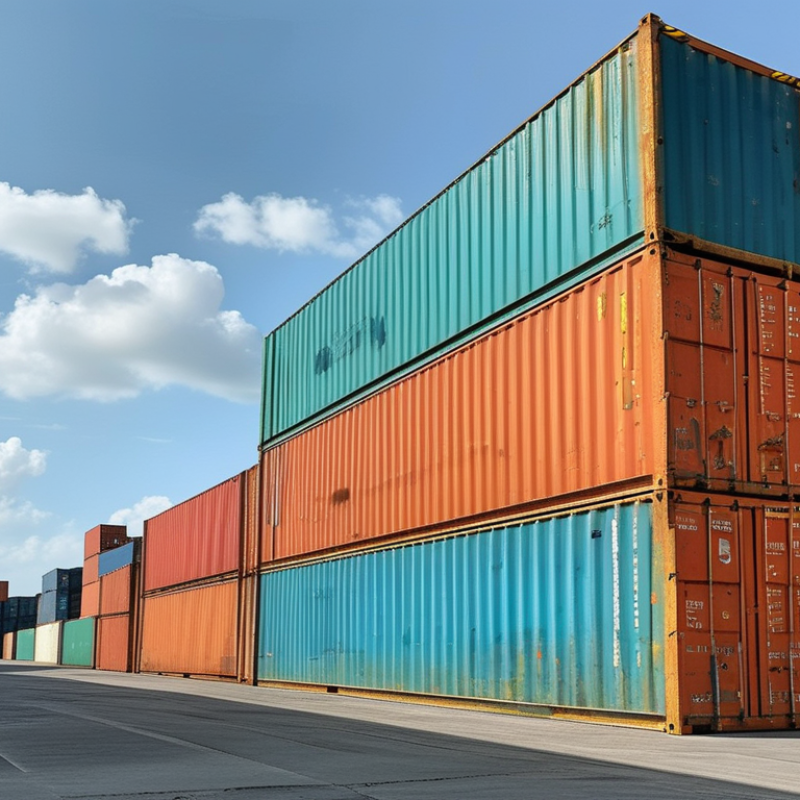
When selecting a shipping container, understanding dimensions and types is crucial. Containers come in various sizes. Common dimensions include 20-foot and 40-foot containers. A 20-foot container is about 160 square feet of space. It suits small shipments or personal belongings. In contrast, a 40-foot container offers approximately 320 square feet. It fits larger loads or bulk items.
Consider the type of cargo when choosing container sizes. Standard containers fit most goods, but specialized containers exist. For example, refrigerated containers maintain temperature-sensitive items. High cube containers provide extra vertical space for taller cargo. It’s vital to assess the cargo carefully. Sometimes, a larger container may not be the best choice. Excess space can lead to wasted resources.
Calculating your needs can feel overwhelming. Many overlook their cargo's specific requirements. This can lead to poor choices. Research your options carefully. Each decision impacts shipping costs and logistics. Ultimately, the right container choice can enhance efficiency and save money. Accurate dimensions matter in logistics planning. Make informed decisions to avoid potential problems later.
2026 How to Choose the Right Shipping Container Sizes? - Understanding Shipping Container Dimensions and Types
| Container Type |
External Dimensions (ft) |
Internal Dimensions (ft) |
Volume (cu ft) |
Max Weight (lbs) |
| 20 ft Standard |
20 x 8 x 8.5 |
19.4 x 7.7 x 7.9 |
1,169 |
48,000 |
| 40 ft Standard |
40 x 8 x 8.5 |
39.5 x 7.7 x 7.9 |
2,385 |
67,200 |
| 40 ft High Cube |
40 x 8 x 9.5 |
39.5 x 7.7 x 8.5 |
2,694 |
67,200 |
| 45 ft High Cube |
45 x 8 x 9.5 |
44.5 x 7.7 x 8.5 |
3,040 |
67,200 |
Evaluating Your Shipping Needs and Cargo Specifications
Choosing the right shipping container sizes requires careful evaluation of your shipping needs and cargo specifications. Each type of cargo presents unique requirements. For instance, perishable goods may need temperature-controlled containers. According to a 2022 report by the Bureau of Transportation Statistics, over 25% of shipping delays were due to improper container sizes. This statistic highlights the importance of selecting the appropriate size to ensure timely deliveries.
When assessing your cargo, consider its dimensions and weight. The Standard 20-foot and 40-foot containers are the most common. They can handle various goods. However, oversized or irregularly shaped items might require specialized containers, impacting shipping costs and logistics. A 2021 report revealed that incorrect sizing contributes to approximately 15% of additional freight costs. This indicates a need for precise planning.
Reflecting on your past shipments can offer valuable insights. Did you frequently experience space constraints? Or were containers too large, increasing transport costs? Understanding these patterns can help refine your shipping strategy. Accurate forecasting and planning will not only save money but also improve overall efficiency.
Common Shipping Container Sizes and Their Uses
When selecting the right shipping container size, understanding common dimensions is essential. The standard
20-foot and 40-foot
containers are widely used. A 20-foot container offers about
1,170 cubic feet of space. It's ideal for smaller shipments or tight
urban deliveries. Conversely, the 40-foot container provides
approximately 2,390 cubic feet, making it suitable for bulk goods and
larger items. These sizes are backed by industry data indicating that 70% of all global
container movements are with these two dimensions.
For varied applications, specialized containers also exist. High Cube containers, for example,
are 40 feet long but offer extra height, appealing to businesses
needing more vertical space. Refrigerated containers, crucial for perishable goods, come in similar sizes.
Industry reports highlight a 6% increase in demand for refrigerated
containers in the last year. This underscores ongoing shifts in shipping needs, driven by e-commerce
growth.
Choosing the right size isn’t always straightforward. Misjudging container requirements can lead to excess
space or overflow issues. A report from the International Maritime Organization indicates that
inefficient container usage costs the shipping industry billions annually. Therefore, careful assessment
of cargo dimensions and weight is vital. Utilizing data-driven insights
can greatly enhance shipping efficiency and reduce costs.
Factors to Consider in Choosing Container Size
When selecting shipping container sizes, several factors come into play. The most critical consideration is the type of cargo being shipped. Different goods require different space and weight allowances. For instance, standard 20-foot containers can carry about 28,200 pounds, while 40-foot containers hold up to 56,000 pounds. Understanding your cargo dimensions ensures you choose a container that fits without exceeding weight limits.
Another important factor is the shipping route. Containers travel over land, sea, and sometimes air. Specific routes may have restrictions or variations in container dimensions. According to industry reports, around 90% of global trade happens through shipping containers. Selecting the right size can optimize your transport cost and time efficiency.
Tips: Always measure your items before shipping. This helps avoid costly mistakes. Consider the stacking capacity if using multiple containers. It might save space and reduce costs. Regularly review your shipping data. It provides insights into patterns that can guide future container size selections.
Choosing the right container size is more than just picking a number. Your decision impacts shipping efficiency, transit time, and overall logistical performance. Be aware of both your needs and the constraints of the shipping process. Reflect upon past shipments to continually improve container size choices.
2026 How to Choose the Right Shipping Container Sizes?
This chart illustrates the average dimensions of various shipping container sizes and their common use cases based on industry standards. Understanding the different sizes can help you make an informed decision when selecting containers for shipping needs.
Cost Implications of Different Shipping Container Sizes
Choosing the right shipping container size is crucial for logistics planning. The cost implications can vary significantly. According to industry reports, a standard 20-foot container can cost approximately $2,000 to $4,000, while a 40-foot variant can range from $3,500 to $7,000. These price differences reflect not only the size but also the transportation and handling costs associated with each type.
Importantly, container utilization affects overall expenses. A full container minimizes per-unit shipping costs. Underutilizing a container may lead to wasted space and increased costs. Reports indicate that shipping partially filled containers can increase costs by up to 30%. This highlights the importance of accurately estimating cargo volumes.
Shipping container sizes also influence port handling charges and storage fees. Larger containers may incur higher fees at some terminals, while smaller sizes might be more versatile for smaller shipments. Companies must consider these factors methodically. An improper choice can lead to unnecessary expense or logistical delays. Understanding the cost structure of various container sizes ensures better decision-making.