2026 How to Choose the Best 10ft Shipping Container for Your Needs?
Choosing the right 10ft shipping container can significantly impact your logistics strategy. According to industry insights, the global shipping container market is projected to reach $9.3 billion by 2027. This growth highlights the demand for versatile and efficient cargo solutions. A 10ft shipping container is ideal for smaller shipments or tight spaces, making it a smart choice.
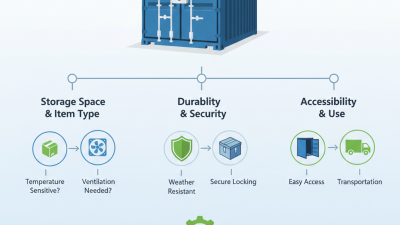
When selecting a container, consider factors like material, durability, and interior space. Most 10ft containers are made from corten steel, providing strong weather resistance. However, not every option available on the market guarantees quality. A recent report indicated that over 15% of containers in circulation could be subpar due to lacking maintenance standards.
Many factors require careful thought before making a selection. Price is an essential consideration, but cheaper options may come with hidden costs. Checking certification and structural integrity ensures reliability and longevity. A strong understanding of your specific needs will help you avoid potential pitfalls, ensuring the chosen 10ft shipping container meets your operational demands.
Understanding the Basics of 10ft Shipping Containers
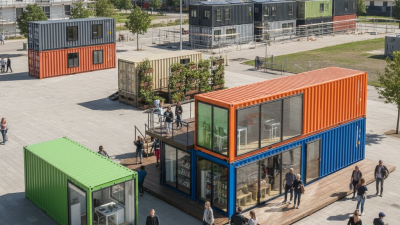
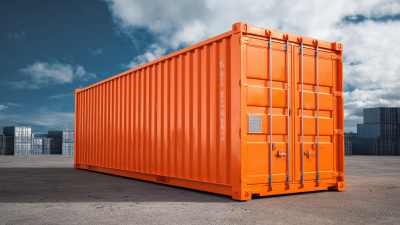
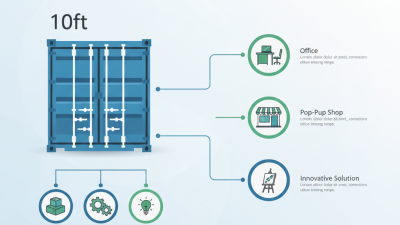
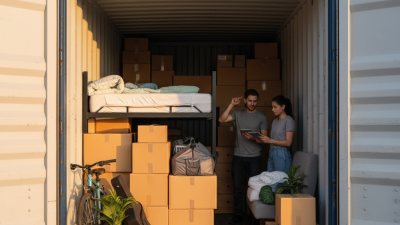
When considering a 10ft shipping container, understanding its basic structure is crucial. These containers typically measure 10 feet long, 8 feet wide, and 8.5 feet high. This size offers flexible storage solutions. Ideal for small businesses, residential storage, or even as a pop-up shop, 10ft containers can fit into tight spaces. Their manageable dimensions make them appealing for various uses.
The construction of a 10ft shipping container emphasizes durability. Made from steel, they withstand extreme weather and resist corrosion. However, not all containers are the same. Some might show signs of wear, like rust or dents. It's important to inspect thoroughly before purchase. Consider not just the exterior but also the interior. A clean, dry interior is essential for storage.
Customization options add another layer to choosing your container. You might need windows, ventilation, or insulation. Think about what your specific needs are. Reflecting on your storage or operational goals will guide this process. Finding the right container involves balancing your requirements with what's available. Sometimes, compromises are necessary, and adjustments might be needed later.
Understanding the Basics of 10ft Shipping Containers
This chart illustrates the average cost and storage capacity of 10ft shipping containers based on various materials and conditions. The data helps potential buyers understand what to expect when considering a purchase.
Evaluating Your Storage and Transportation Needs
When considering a 10ft shipping container, start by assessing your specific needs. Think about what you plan to store or transport. Will it be furniture, tools, or equipment? Different items require different conditions. For instance, sensitive materials may need climate control. Clearly defining your needs helps in making the best choice.
Next, evaluate your available space and logistics. A container needs a suitable location for placement. Is there enough room for loading and unloading? Consider accessibility. If heavy machinery is involved, you might need extra assistance. Additionally, keep in mind the durability of the container. Exposure to the elements can affect its lifespan. Think about how often you will use it. Frequent access may necessitate an easier-to-reach spot.
Reflect on your long-term plans too. If your storage needs grow, will a 10ft container still suffice? It's worth pondering possible future expansions. Investing in slightly larger units may save you hassle down the line. Take your time to weigh all factors. Rushed decisions often lead to regrets.
Comparing Different Types of 10ft Shipping Containers
When selecting a 10ft shipping container, it’s crucial to understand the different types available. Standard containers are ideal for general storage. They are robust and reliable, suitable for various goods. If you need better ventilation, consider containers with vents. They help prevent moisture buildup.
For those requiring easy access, look into side opening containers. They allow faster loading and unloading, which can be a game changer for busy operations. Also, consider whether your items need insulation. Insulated containers maintain temperature and protect sensitive materials.
**Tips:** Think about your specific needs before choosing. Measure your space to ensure a good fit. Compare prices among suppliers, but don't compromise on quality. Always check for structural integrity. A container may look good but could have hidden issues like rust.
2026 How to Choose the Best 10ft Shipping Container for Your Needs? - Comparing Different Types of 10ft Shipping Containers
| Type |
Material |
Weight Capacity (kg) |
Dimensions (L x W x H in cm) |
Price Range ($) |
| Standard |
Steel |
1000 |
300 x 230 x 230 |
1200 - 1500 |
| Refrigerated |
Steel |
900 |
300 x 230 x 230 |
2500 - 3000 |
| Open Top |
Steel |
1100 |
300 x 230 x 230 |
1300 - 1600 |
| Flat Rack |
Steel |
1300 |
300 x 230 x 230 |
1500 - 1800 |
| Insulated |
Steel |
1000 |
300 x 230 x 230 |
1600 - 2000 |
Key Features to Look for in a Quality Container
When selecting a 10ft shipping container, key features matter greatly. Assess the container's material. Most are made from corten steel, known for its durability. This offers resistance to rust and harsh weather. According to industry reports, high-quality steel can last up to 25 years, making it a wise investment.
Another aspect to review is the container's security features. Look for robust locking mechanisms and reinforced doors. A container with anti-theft seals can significantly reduce risks of break-ins. A study by the Shipping Container Association shows that secure containers minimize loss rates by nearly 30%.
Tip: Ensure proper ventilation. A well-ventilated container prevents mold and mildew, which can damage stored items.
Check the insulation options if your goods are sensitive to temperature. High insulation ratings can help maintain stable internal conditions. It's essential to balance costs with the long-term protection your cargo requires.
Tip: Inspect pre-owned containers thoroughly. Minor surface rust might be acceptable, but structural integrity is crucial. Always request a structural report to avoid future regrets.
Assessing Costs and Budget Considerations for Your Purchase
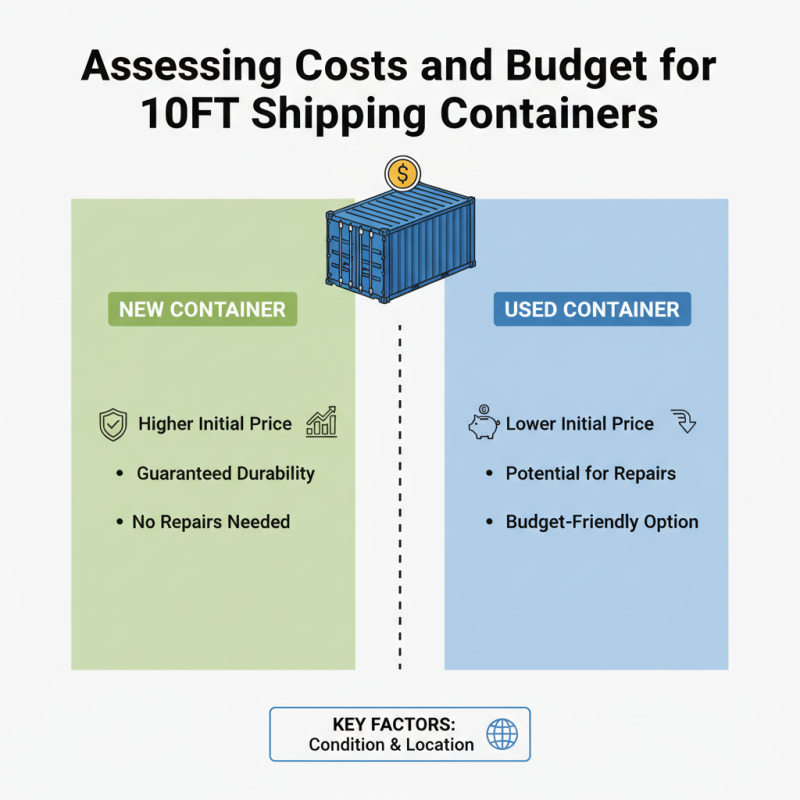
When considering a 10ft shipping container, cost is a key factor. Prices usually vary based on condition—new or used—and location. A new container can start at a higher price, but it ensures better durability. On the other hand, a used container could offer a more budget-friendly option, though it may require repairs.
Think about additional costs. Transportation fees can add up, especially for long distances. Modifications, like insulation or shelving, will also impact your budget. Don’t forget to consider the potential need for permits, depending on your location.
Assess your needs carefully. Are you using it for storage or as a workspace? The intended purpose can influence how much you spend. A temporary solution might require less investment. Yet, a long-term use often justifies higher upfront costs. Weighing all these factors will help you choose wisely.