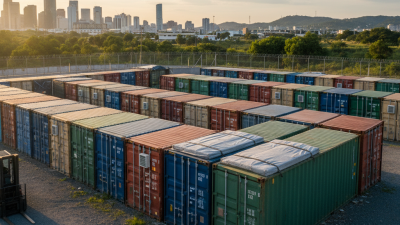
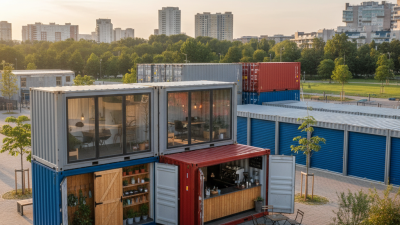
Choosing the best container storage units starts with the items you need to protect. A steel unit may look simple, yet its size, ventilation, access, and security can change the entire experience. The Self Storage Association’s 2024 Demand Study reported that 16.7 million U.S. households used self-storage in 2023. That figure signals strong demand, but it does not make every facility suitable.
Think about a real loading day. A narrow gate can delay a van. Poor drainage can leave water around the container. Weak lighting can make evening access uncomfortable. Industry guidance from Yardi Matrix also shows that location, occupancy, pricing, and convenience strongly influence storage performance. The cheapest unit is not always the best value. Sometimes, it becomes an expensive compromise.
Ben Vestal, a recognized self-storage investment adviser, has described the sector simply: “Self-storage is a convenience business.” That principle matters when comparing container storage units. Check opening hours, vehicle access, ground condition, lock systems, CCTV coverage, and insurance requirements. Ask whether the unit stays dry during heavy rain. Ask about temperature changes, too.
Reports provide useful direction, not perfect answers. Their figures often reflect regional markets, while your needs may be very local. A unit near your home may save more time than a cheaper unit farther away. I would also question overly confident promises. Storage decisions are practical, but they still require judgment. Choose protection, access, and transparent pricing together. That balance usually matters more than appearance alone.
How to Choose the Best Container Storage Units?
Choosing a container storage unit starts with an honest inventory. List furniture, tools, seasonal items, and boxes separately. Measure bulky objects, not just their labels. A sofa may need extra turning space inside the container.
My first estimate was wrong. I counted boxes but ignored walking space. Leave a narrow aisle for safer access and easier inspection. You should also decide how often you need each item. Frequently used equipment belongs near the doors. Long-term storage can occupy the rear section.
Measure the placement area before selecting a unit. Include the container’s length, width, height, and door clearance. Check whether a delivery vehicle can reach the location without tight turns. Uneven ground may create drainage problems. A firm, level surface is usually more reliable.
Think beyond today’s storage load. A nearly full unit becomes difficult to organize. Allow space for shelves, protective covers, and future additions. However, choosing a much larger unit can waste money and usable property space. This balance is easy to misjudge. Sketch the layout on paper, then compare it with your actual measurements. Consider moisture, ventilation, sunlight, and security features before making a final decision. Ask the storage provider for internal dimensions, access conditions, and weight guidance. Details matter.
How to Choose the Best Container Storage Units?
The right container starts with the items you need to store. Standard dry containers suit furniture, tools, cartons, and household equipment. High-cube models add extra height for tall shelving or stacked goods. Open-top containers help with oversized items, but they offer less protection from rain during loading. Refrigerated units are designed for temperature-sensitive goods and usually require dependable electrical service.
Size affects both capacity and cost. A 10-foot unit fits a compact inventory or seasonal equipment. A 20-foot unit often balances usable space with easier placement. A 40-foot unit provides much more capacity, but it needs a larger, stronger site. Measure every item, including door clearance. Leave a walkway for inspection and ventilation. More space is not always better.
Construction materials deserve close attention. Weather-resistant steel panels provide strong security and durability. Corrugated walls improve rigidity, while treated plywood floors support heavy storage loads. Aluminum parts can reduce weight and resist corrosion, but they may not tolerate rough handling as well as steel. Check door seals, corner posts, floor condition, and roof repairs before renting or buying. I once focused on volume and overlooked a damaged seal. That mistake caused moisture problems after heavy rain. A perfect comparison rarely exists. Local climate, ground conditions, access, and loading habits can change the best choice.
Choosing the best container storage unit starts with security, not price. Inspect the perimeter, lighting, camera coverage, and entry controls in person. Ask whether access records and video footage are retained. Individual locks should resist cutting and tampering. No unit is perfectly secure. Still, layered protection reduces avoidable risks. The Self Storage Association’s 2024 Fact Sheet estimates that about 16.7 million U.S. households rent storage space. That scale makes consistent security procedures especially important. Check staff availability, emergency contacts, and whether unauthorized entry triggers an alert.
Accessibility affects daily cost and convenience. Measure the container door, aisle width, and loading area before signing. Confirm vehicle access hours, turning space, and ground-level placement. A narrow route can turn one delivery into several labor charges. Weather protection needs equal attention. Look for raised flooring, sealed roof seams, intact door gaskets, and clear drainage channels. A dry inspection can mislead. Visit after rainfall if possible. The Federal Emergency Management Agency notes that even one inch of floodwater can cause roughly $25,000 in damage to an average home. Container contents differ, but the warning remains relevant. Use pallets to lift boxes, leave air gaps near walls, and avoid storing sensitive materials directly on the floor. NOAA climate assessments also document more frequent heavy-precipitation events in many U.S. regions, so drainage is not a minor detail. Ask for written details about water intrusion, condensation, pest control, and insurance responsibilities before payment.
Comparison of common steel container storage options. Dimensions are typical nominal measurements and may vary slightly by manufacturer, age, and site configuration.
| Container Type | Typical External Dimensions | Approx. Internal Floor Area | Security | Accessibility | Weather Protection | Best Use |
|---|---|---|---|---|---|---|
| 20-Foot Standard Steel Container |
20 ft × 8 ft × 8 ft 6 in Approx. internal: 19 ft 4 in × 7 ft 8 in × 7 ft 10 in |
About 148 sq ft |
High Locking double doors, weather-resistant steel body, and optional lockbox protection. |
Good Ground-level access is practical, but the single end-door layout can limit loading efficiency. |
High when maintained Steel panels and door gaskets resist rain; inspect the roof, seams, and floor for corrosion. |
General household goods, tools, equipment, and seasonal inventory. |
| 40-Foot Standard Steel Container |
40 ft × 8 ft × 8 ft 6 in Approx. internal: 39 ft 5 in × 7 ft 8 in × 7 ft 10 in |
About 303 sq ft |
High Similar steel construction and locking system to the 20-foot format. |
Good Provides substantially more floor space, but deep storage may require careful aisle planning. |
High when maintained Suitable for outdoor storage if placed level and inspected for damaged seals or roof leaks. |
Large inventories, commercial stock, furniture, and construction materials. |
| 40-Foot High-Cube Steel Container |
40 ft × 8 ft × 9 ft 6 in Approx. internal height: 8 ft 10 in |
About 303 sq ft |
High Steel walls and secure double doors provide strong physical protection when properly locked. |
Very good Extra interior height accommodates taller shelving, racks, and palletized goods. |
High when maintained Similar weather resistance to standard steel units; ventilation may be needed to reduce condensation. |
Tall equipment, shelving systems, bulky goods, and high-volume business storage. |
| Insulated Steel Storage Container |
Commonly based on 20 ft or 40 ft dimensions Interior dimensions are reduced by the insulation lining. |
Depends on the base container and insulation thickness |
High Retains the underlying steel shell and locking doors; confirm that insulation does not conceal corrosion. |
Good Similar door access to standard units, with slightly less usable internal width and height. |
Very high Insulation helps moderate temperature swings and condensation but does not replace active climate control. |
Sensitive furniture, documents, electronics, textiles, and goods affected by condensation. |
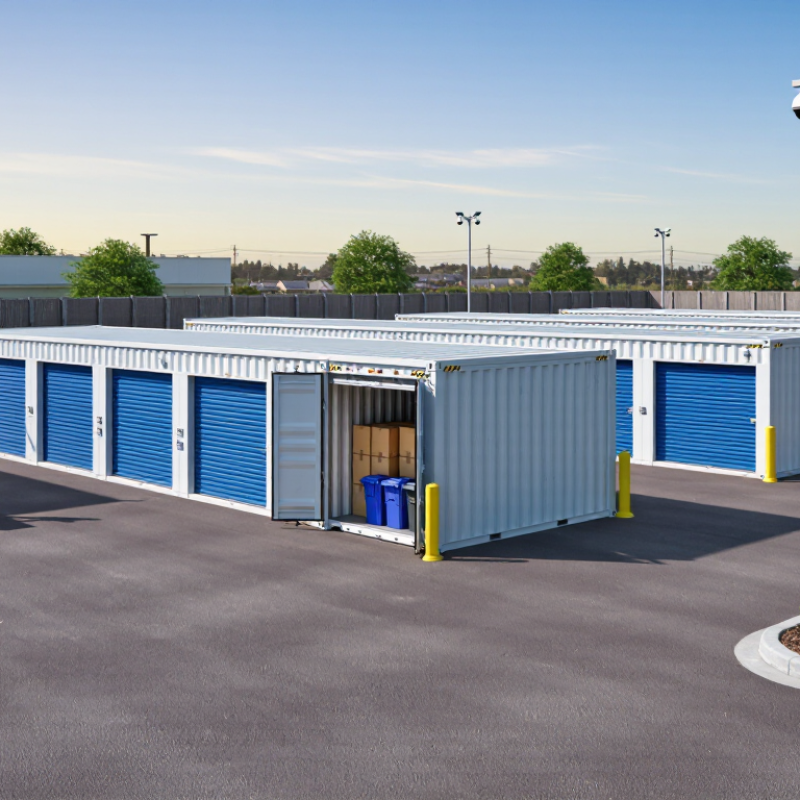
| Ground-Level Drive-Up Storage Unit |
Common sizes range from approximately 5 ft × 5 ft to 10 ft × 30 ft Exact dimensions vary by facility layout. |
About 25–300 sq ft |
Moderate to high Security depends on the door, individual lock, lighting, fencing, surveillance, and site access controls. |
Excellent Vehicles can usually be parked directly beside the unit for convenient loading and unloading. |
Moderate to high Protection varies from basic metal construction to insulated or climate-controlled designs. |
Frequent-access items, tools, boxes, small business inventory, and household moves. |
Choosing the best container storage unit starts with the site, not the container.
Check ground firmness, drainage, slope, and overhead clearance before ordering. A loaded unit can weigh several tonnes, so soft soil may cause uneven settling. Measure twice.
UNCTAD’s Review of Maritime Transport 2024 confirms that more than 80% of global merchandise trade by volume moves by sea. That scale supports container availability, but it does not guarantee a suitable delivery route.
Delivery options deserve equal attention. A tilt-bed truck may need a straight approach and enough turning space. A side-loader needs stable ground beside the unloading area. Confirm gate width, road weight limits, tree branches, and utility lines with the carrier. Ask whether the quoted service includes placement, leveling, and removal.
I have seen projects delayed because the unit fit the driveway but not the final position. Expect exceptions.
Tips:
Photograph the site from the road, measure every access point, and request the truck’s minimum clearance. Keep a simple written delivery plan.
Then check local regulations. Some authorities require permits, setback distances, drainage controls, or approval for long-term placement. Fire-access rules may also affect spacing between units. The International Code Council’s building-safety guidance shows why local adoption matters: model provisions can change after regional review. Requirements vary, and online advice can be incomplete. Speak with the local planning office before payment, especially when the unit will remain visible from a public road.
Choosing a container storage unit starts with comparing the full cost, not the advertised monthly rate. A typical 20-foot container provides about 1,170 cubic feet, enough for a small apartment’s furniture. Delivery, collection, ground preparation, locks, insurance, and access fees can change the final price sharply. Ask every provider for a written twelve-month estimate. Price is not value.
The Self Storage Association’s 2023 Demand Study reported that 14.5 million U.S. households rented self-storage in 2022. That demand supports many providers, but service quality still varies. Compare container condition, ventilation, pest controls, security cameras, and delivery limits. A damaged door or poor airflow can cost more than a small monthly saving. In my experience, clear access rules matter when retrieving heavy items on a wet afternoon.
For long-term storage, calculate the break-even point between a delivered container and a facility-based unit. The 2024 Yardi Matrix National Self Storage Report tracked rental-rate pressure across major U.S. markets, showing why local quotes deserve careful attention rather than national averages. A container may offer stable space, but facility storage can provide better lighting, staff support, and flexible unit changes. Recheck the contract’s annual increase clause. I have seen customers focus on the first invoice and overlook renewal pricing, which weakens an otherwise sensible decision. Keep an inventory, leave airflow around appliances, and place frequently needed boxes near the doors. Shelving costs extra. Sometimes, it pays back.