How to Choose the Right 10ft Container for Shipping?

Choosing the right 10ft container begins with the cargo, not the container catalogue. A compact unit can suit small shipments, limited storage areas, and projects requiring careful space control. Yet “10ft” does not automatically mean simple. Internal dimensions, door clearance, payload limits, floor strength, ventilation, and condition all deserve attention. Small errors become expensive quickly.

Malcolm McLean, the pioneer of modern container shipping, once said, “I was not trying to invent a new way to transport cargo; I was trying to invent a new way to load cargo.” That idea still matters. A 10ft container should make loading safer, faster, and more predictable. Measure every item, including pallets, packaging, handles, and protective padding. Leave room for doors to close properly. Do not trust a rough estimate.

A practical choice also depends on the delivery route and handling equipment. Check whether the site can accept the container’s weight and turning requirements. Confirm lifting points, ground conditions, access width, and local transport arrangements. Weather protection may be essential for sensitive goods. Ventilation may matter more than volume.

The calculation may look obvious.

It often is not.

I have seen buyers focus on external length while overlooking usable internal space. That mistake is understandable, but it deserves correction. A smaller container can reduce wasted capacity, though it may create awkward loading patterns. This guide examines those trade-offs clearly, helping you compare container specifications, cargo fit, operational risks, and total cost before choosing a 10ft container.
How to Choose the Right 10ft Container for Shipping?

Define Your Shipping Requirements

How to Choose the Right 10ft Container for Shipping?
Define Your Shipping Requirements

Before choosing a 10ft container, define what must travel, its route, and how it will be handled. Record each item’s length, width, height, and weight. Include pallets, packaging, bracing, and space needed to load or unload. A doorway or forklift clearance can matter as much as total volume. Measure twice. Compare your figures with the container’s actual internal dimensions and payload on its specification sheet. Nominal size alone is not enough; usable capacity can vary.

Route and equipment matter too. UNCTAD’s Review of Maritime Transport 2024 reports that global container port throughput reached 858.9 million TEUs in 2023, up 2.4% year on year. That global figure cannot predict conditions on your route, but it’s a reminder to check transfer points. Confirm that the carrier, truck, and destination site can accept a 10ft unit. Ask about lifting points, door access, and loading methods. A small container can still be awkward.

Also note delivery timing, cargo sensitivity to moisture, and any need for ventilation or secure restraint. Request the unit’s tare weight, maximum gross mass, and payload, then compare them with your cargo estimate. Leave room for uncertainty: packing often changes the final dimensions. A planning estimate is never a promise. Recheck measurements before booking, especially if items cannot be repositioned once loaded.

How to Choose the Right 10ft Container for Shipping? — Define Your Shipping Requirements

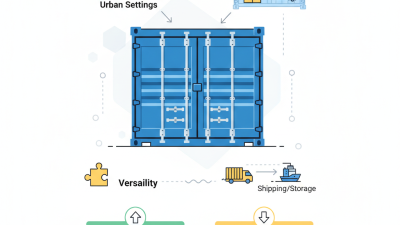
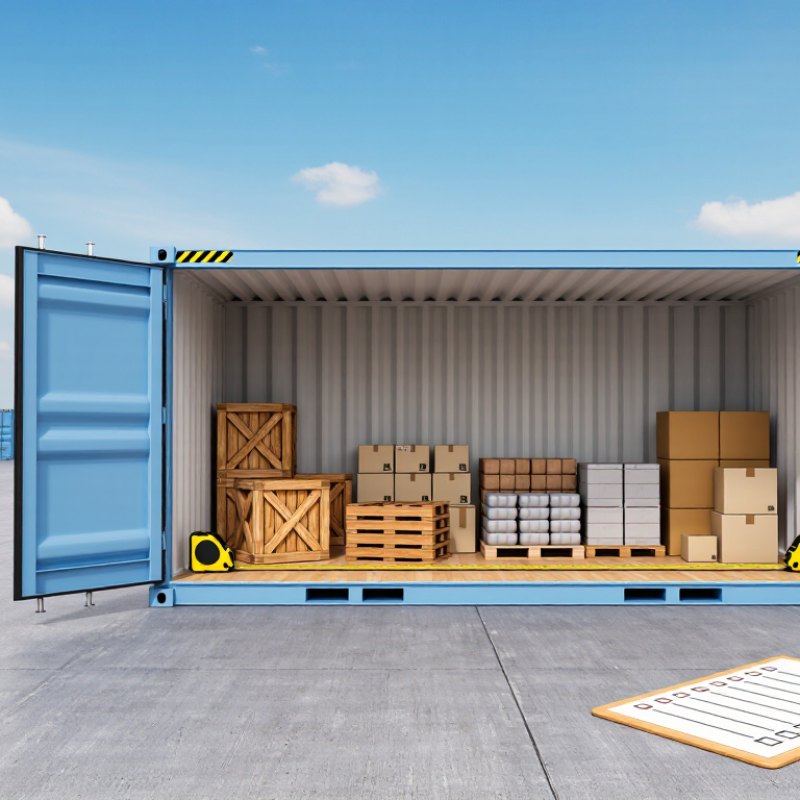
Typical 10ft dry-container dimensions are shown for planning purposes; exact measurements vary by container design. Compare your cargo’s length, width, and height with the usable internal dimensions, then confirm the specific unit’s door opening, payload limit, and loading requirements before booking.

Match the Container Size and Capacity to Your Cargo

A 10ft container suits compact loads, but match usable space and payload to the actual cargo. Many units offer roughly 2.8 metres of internal length, 2.3 metres of width, and 2.3 metres of height; dimensions vary by model. Measure the largest item, including pallets, handles, and protective packaging. Leave room for safe loading and airflow. Tight fits can become costly.

Check the container’s data plate for tare weight, maximum gross mass, and payload; never rely on a generic online figure. ISO 668:2020 defines dimensions for Series 1 freight containers, but confirm that a particular 10ft unit is accepted for your intended shipping route. UNCTAD’s Review of Maritime Transport 2024 reports that global maritime trade grew 2.4% in 2023. That figure covers all seaborne cargo, not just container freight, so it cannot predict your shipment’s fit. Use your cargo’s measured volume and weight instead. I’d still allow extra clearance; loading plans are easy to underestimate. A forklift needs space, too.

Compare 10ft Container Types and Essential Features

A 10ft container can suit a compact shipment, a small workshop, or storage where space is limited. The right type depends on what you are moving and how it must be handled. A standard dry container is the simplest option for boxed goods and equipment that need protection from rain and dust. Check the door opening as well as the internal dimensions; bulky items may fit inside but fail to pass through the doors.

For goods that need temperature control, an insulated or refrigerated unit may be more suitable. These options can differ in equipment, power needs, and usable interior space, so confirm the specifications for the exact unit. An open-top or side-access design can make loading awkward machinery easier. However, these features may reduce weather protection or add handling requirements. Availability also varies. Measure twice.

Look closely at tare weight, maximum payload, floor condition, and ventilation. Ask for the container’s actual measurements, not just its advertised size, and check that your vehicle or loading area can handle its weight. A site visit can reveal dents, worn seals, or doors that stick. I have seen small access details cause more trouble than the container’s capacity. There is no perfect choice; prioritize the feature that solves your main handling or storage problem, then verify the trade-offs before booking.

Review Regulations, Condition, and Supplier Standards

Choosing a 10ft container requires more than checking its exterior color. Regulations, condition, and supplier discipline affect shipping safety and total cost. The ISO 668 standard defines container dimensions, but actual internal space and payload may vary. Check the identification plate carefully. It should show maximum gross mass, tare weight, and inspection information.

A valid CSC safety plate is essential for international sea transport. Requirements can differ for domestic use, so confirm the destination rules before booking. UNCTAD’s Review of Maritime Transport 2023 recorded about 858 million TEU in global container port throughput during 2022. That volume increases handling exposure. Strong doors, sound corner castings, and dry flooring matter. During inspections, I look beneath the floor edges and inside door seals. Surface rust is manageable. Deep corrosion is not. A clean exterior can mislead.

Supplier standards deserve equal attention. Request recent photographs, repair records, inspection dates, and measured tare weight. The IICL Inspection and Repair Manual provides useful guidance for evaluating structural damage and repairs. Ask whether the unit was leak-tested after repairs. The World Bank’s Logistics Performance Index 2023 assessed logistics performance across 139 economies, highlighting customs, tracking, and timeliness. A supplier with poor documentation can create delays even when the container looks acceptable. I have sometimes accepted vague condition grades too quickly. That was a mistake. A short inspection checklist, signed before payment, prevents many unpleasant surprises.

How to Choose the Right 10ft Container for Shipping? - Review Regulations, Condition, and Supplier Standards

Evaluation Dimension Typical Data or Requirement What to Check Before Selection Recommended Decision
External dimensions Approximately 3.05 m long × 2.44 m wide × 2.59 m high (10 ft × 8 ft × 8 ft 6 in) Confirm the unit’s actual dimensions and check whether the destination has height, width, or access restrictions. Choose a standard-height unit when normal road, rail, and terminal handling is required.
Internal dimensions Approximately 2.83 m long × 2.35 m wide × 2.39 m high; dimensions vary by construction and manufacturer. Measure the cargo, packaging, pallets, and required clearance rather than relying only on nominal container size. Select the container only when the cargo fits with safe loading, lashing, and ventilation space.
Door opening Typically about 2.34 m wide × 2.28 m high for a standard cargo door. Check the narrowest package dimension, forklift access, door seals, locking bars, hinges, and door alignment. Use a different configuration if the cargo cannot pass through the door without tilting or force.
Internal volume Approximately 15.5–16.0 m³, depending on the internal lining and container design. Compare usable volume after allowing for pallets, dunnage, corner protection, and cargo securing equipment. Choose based on usable loading volume, not the advertised nominal volume alone.
Weight limits Tare weight is commonly about 1.3–1.5 tonnes. Maximum gross mass is governed by the container safety plate, transport mode, and local road limits. Read the CSC safety approval plate and calculate cargo weight plus tare weight. Check axle and road limits separately. Never load above the marked maximum gross mass or the applicable road and rail limits.
CSC compliance A container used for international sea transport generally requires a valid Convention for Safe Containers (CSC) safety approval plate. Verify the plate is present, legible, securely attached, and not expired or subject to an overdue examination. Reject units with missing, altered, or unreadable safety approval information.
Verified Gross Mass (VGM) Under SOLAS requirements, the shipper must provide the verified gross mass of a packed container before loading on a vessel. Confirm who will weigh the packed container, which method will be used, and how the signed VGM will be submitted. Do not release the container for vessel loading without an accepted VGM declaration.
Dangerous goods controls Cargo classified as dangerous goods must comply with the applicable IMDG Code requirements, including packaging, marking, labeling, documentation, and stowage. Confirm the UN number, proper shipping name, hazard class, packing group, labels, and segregation requirements. Use a qualified dangerous-goods shipper and obtain carrier acceptance before dispatch.
Water and wind tightness Cargo-worthy equipment should protect cargo from normal rain and wind exposure when doors are closed and seals are intact. Inspect roof, corner posts, side panels, door seals, welds, and floor edges for holes, gaps, corrosion, or previous repairs. Reject any unit with active leaks, visible daylight, severe distortion, or failed door seals.
Floor condition Most dry containers use hardwood or bamboo-based flooring designed for cargo and handling equipment loads. Check for rot, delamination, oil or chemical contamination, loose boards, protruding nails, and forklift damage. Require a clean, dry, structurally sound floor with no contamination that could damage the cargo.
Structural condition Corner posts, corner castings, bottom rails, cross-members, and roof rails are critical load-bearing components. Look for cracks, buckling, unauthorized welding, heavy corrosion, bent corner castings, and frame deformation. Choose cargo-worthy equipment with documented repairs and no structural compromise.
Cleanliness and odor The interior should be dry, swept, free from pests, and free from persistent chemical or biological odors. Inspect the roof underside, floor, walls, drain holes, and door channels. Check for mold, residue, and infestation evidence. Request cleaning or fumigation documentation when required by the cargo or destination.
Supplier inspection standard A reliable supplier should provide recent inspection photographs, dimensions, tare weight, maximum gross mass, and the container identification number. Compare the inspection report with the actual unit and require date-stamped photographs of all sides, roof, floor, doors, and safety plate. Avoid suppliers that provide generic images, incomplete specifications, or no acceptance-inspection process.
Documentation and traceability Core records include the container identification number, CSC details, condition report, cleaning record where applicable, and shipping documents. Ensure all numbers and descriptions match the physical unit, booking, packing list, and customs documents. Use suppliers that maintain clear records and provide written confirmation of agreed condition.
Loading and cargo securing Cargo must be evenly distributed, protected from movement, and secured against shifting during road, rail, and sea transport. Review axle weight, center of gravity, blocking, bracing, lashing, dunnage, and door-end protection. Prepare a loading plan before packing, especially for dense, fragile, liquid, or high-value cargo.
Final suitability rating Recommended when the unit is dimensionally suitable, structurally sound, dry, clean, documented, and compliant with the intended transport route. Complete a pre-loading inspection and record any exception before cargo is packed. Approve only after regulatory, condition, loading, and supplier checks are all satisfactory.

Note: Dimensions and weights shown are typical approximate values for standard 10 ft dry containers. Actual specifications vary by unit and must be confirmed from the container’s safety approval plate, inspection report, carrier requirements, and applicable local regulations.

Calculate Total Costs and Confirm Delivery Details

Choosing a 10ft container starts with the cargo, not the container price. A standard unit usually provides about 15 cubic metres of internal space, but usable capacity falls with pallets, bracing, and uneven cartons. Confirm cargo weight, dimensions, loading method, and required ventilation. The container’s maximum payload also varies by specification. Ask for the exact tare and payload figures.

Calculate the landed cost line by line. Include purchase or rental fees, inland transport, terminal handling, documentation, customs clearance, storage, insurance, and possible demurrage. UNCTAD’s Review of Maritime Transport 2023 highlights how disruptions can sharply increase freight rates and delays. A low ocean quote may therefore hide expensive waiting time. I would request a written quote with validity dates, currency, fuel adjustments, and every excluded charge. Small omissions matter.

Tips: Confirm the delivery address, access width, ground strength, crane needs, and unloading hours. Request the carrier’s delivery window and a contact for delays. The World Bank’s 2023 Logistics Performance Index shows that shipment reliability depends heavily on tracking, border processes, and delivery predictability. Use those points when comparing suppliers. Recheck the route after booking. Plans change.