How to Choose the Right Cargo Container for Your Shipping Needs?
Choosing the right cargo container is crucial for effective shipping. It impacts both cost and efficiency. Many factors influence your decision, from size to material. Understanding your specific needs is essential.
Cargo containers come in various shapes and sizes. You must consider what you plan to ship. Will it be machinery, food, or personal items? Each category may require different container specifications. The material also matters. Steel containers offer durability, while plastic might be lighter and easier to handle.
Not all containers are created equal. Reflect on your shipping frequency and routes. A one-time use may not justify a large investment. Think about potential challenges as well. Can your loading docks accommodate the container size? Find a balance between your needs and budget. Choosing wisely will enhance your shipping experience.
Understanding Different Types of Cargo Containers Available for Shipping
When selecting the right cargo container, understanding the available types is critical. Containers vary widely. Standard dry containers, refrigerated units, and flat racks serve different needs. According to the Council of Supply Chain Management Professionals, 90% of global trade relies on container ships. This highlights the importance of choosing the correct container type.
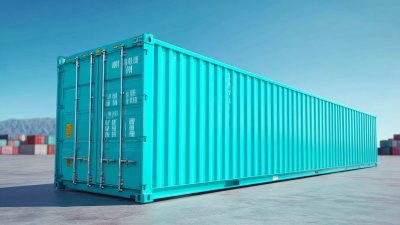
Dry containers are the most common, ideally suited for non-perishable goods. They come in standard sizes, 20-foot and 40-foot options. Reefer containers, with temperature controls, protect perishable cargo. For oversized shipments, flat racks offer flexibility. The Global Shippers Forum notes that 70% of shippers prefer using specialized containers based on cargo requirements.
It's essential to reflect on potential mismatches. Choosing the wrong container can lead to spoilage, increased costs, and delays. Each container type has limitations. For example, reefer containers require power sources at loading and unloading points. Understanding these dynamics can greatly influence shipping efficiency and cost-effectiveness.
How to Choose the Right Cargo Container for Your Shipping Needs?
| Container Type |
Size (Length x Width x Height) |
Weight Capacity |
Common Uses |
| Standard Container |
20 ft x 8 ft x 8.5 ft |
22,000 lbs (10,000 kg) |
General cargo, household goods |
| High Cube Container |
40 ft x 8 ft x 9.5 ft |
30,000 lbs (13,600 kg) |
Larger volume cargo, machinery |
| Reefer Container |
20 ft x 8 ft x 8.5 ft |
30,000 lbs (13,600 kg) |
Perishable goods, pharmaceuticals |
| Open Top Container |
20 ft x 8 ft x 8.5 ft |
25,000 lbs (11,300 kg) |
Heavy machinery, oversized cargo |
| Flat Rack Container |
20 ft x 8 ft |
32,000 lbs (14,500 kg) |
Vehicles, construction equipment |
Evaluating Your Cargo Size and Weight Requirements Before Choosing a Container
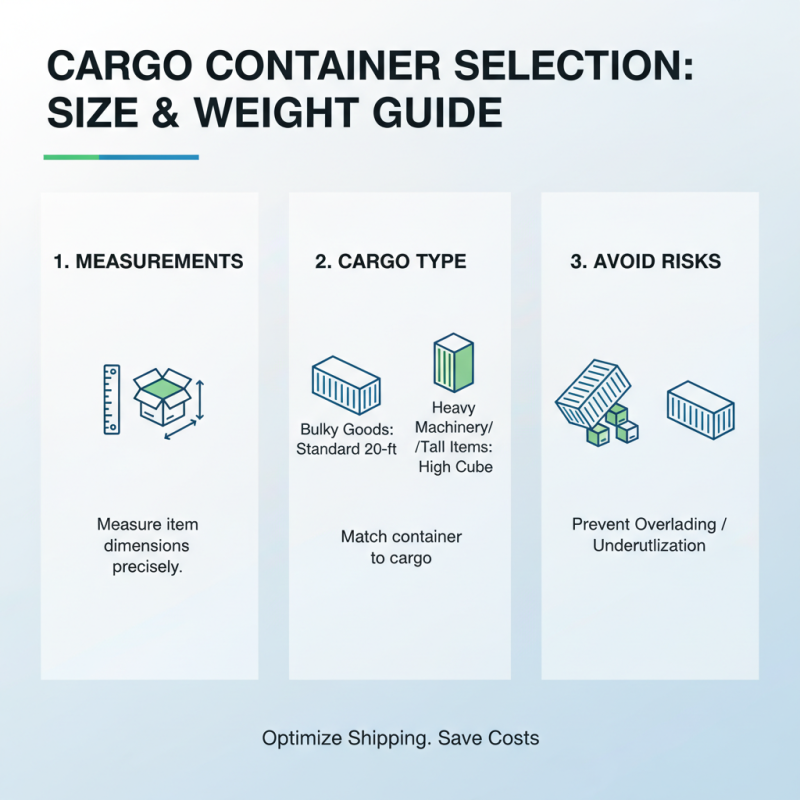
When choosing a cargo container, understanding your cargo size and weight requirements is crucial. Start by measuring the dimensions of your items. For bulky goods, a standard 20-foot container might suffice. However, if you have heavy machinery, a high cube container may be necessary to accommodate extra height. Without precise measurements, you risk overloading or underutilizing the container space.
Weight is another critical factor. Different containers have weight limits. A 40-foot container typically holds up to 30,000 pounds. If your cargo exceeds this, consider splitting it between two containers. This not only ensures compliance but also allows for better distribution. It’s essential to be realistic about what you can fit inside.
For fragile items, additional protection is crucial. Choose a container designed to minimize movement. Sealing your cargo securely can prevent damage. Even if a container fits your cargo in theory, think about how it will handle during transit. Will your products withstand any vibrations and impacts? Reflecting on these details will help you make a more informed decision.
Considering Climate and Environmental Factors in Container Selection
When selecting a cargo container, considering climate and environmental factors is essential. Different materials and design features can influence how well a container performs in extreme weather conditions. For instance, containers exposed to high humidity may suffer from corrosion. Conversely, intense sunlight can degrade certain materials, impacting their structural integrity over time.
Moreover, understanding your cargo's specific needs is crucial. Some products are sensitive to temperature fluctuations. Insulated containers can protect against extreme temperatures. Yet, not all cargo beneficiaries are aware of these options. They often overlook how different climates can affect their shipment’s safety. It's important to evaluate these risks thoroughly before making a choice.
Adopting sustainable practices in container selection is also valuable. Containers made from eco-friendly materials can help reduce your environmental footprint. However, not every supplier provides transparent information about their materials. Ensuring that your chosen container aligns with environmental goals requires diligent research. Ultimately, you must weigh the practicalities and the ethical implications of your selection.
Assessing Container Versatility for Various Shipping Methods
When selecting a cargo container, versatility is crucial for various shipping methods. Different containers serve different purposes. For instance, dry containers are standard for general cargo, while refrigerated containers are vital for perishable items. Choose a container that matches your shipping routine. Consider factors like distance and climate.
Tips: Analyze your goods carefully. Are they sensitive to temperature? If so, a reefer container is essential. Think about the mode of transport. If shipping by rail, open-top containers could work better for oversized items. Flexibility often means better logistics.
Always assess the condition and availability of the container type. Some containers may have signs of wear or damage, which can affect performance. An imperfect choice can lead to delays or losses. Keep an eye on regulations. Certain containers might have restrictions in specific regions. Familiarize yourself with local shipping guidelines to avoid complications. Make informed decisions for successful shipping.
Budgeting: Analyzing Costs Associated with Different Cargo Containers
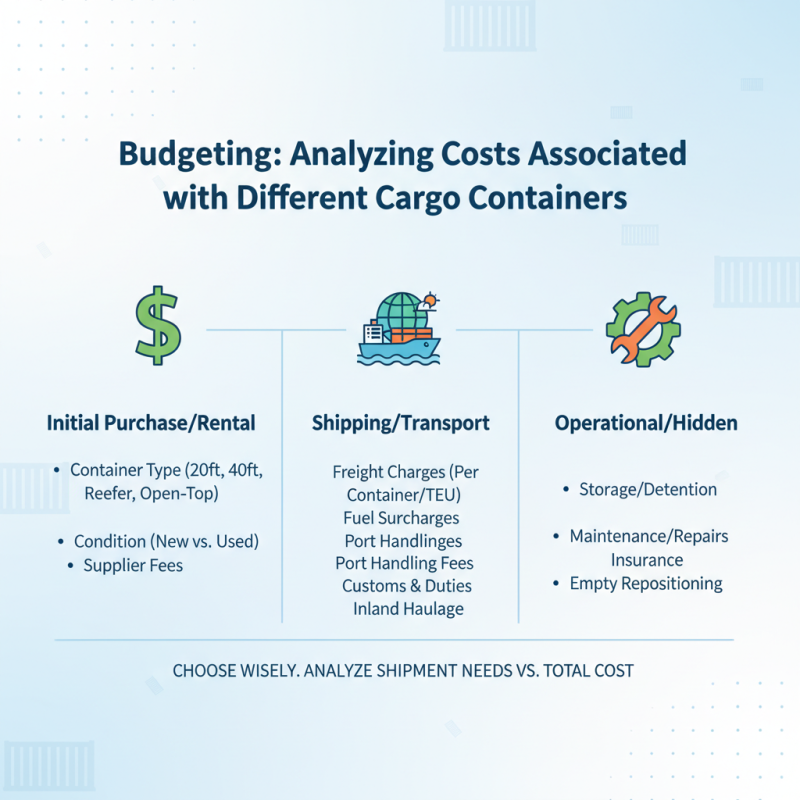
When choosing a cargo container, budgeting plays a crucial role. Understand the costs involved before making your selection. Containers come in various sizes and types, each impacting shipping expenses differently. A standard 20-foot container is less expensive than a 40-foot one, yet it may not meet all your needs. Analyze the specifics of your shipment.
Consider factors such as container condition and additional features. A new container often costs more, but it may offer better durability. Used or refurbished containers can save money. However, be cautious; you might face hidden repair costs. Many overlook these expenses and encounter challenges later.
Freight costs also vary based on container type. Temperature-controlled containers, for instance, are essential for perishables. They tend to be pricier but can prevent spoilage. It’s vital to weigh the potential losses from damaged goods versus the initial container cost. Reflect on how much each choice aligns with your shipping goals and budget constraints.