Why Choosing the Right Shipping Container Size Matters?
When it comes to shipping containers, selecting the right sizes is crucial. The choice affects costs, space, and efficiency. Shipping container sizes vary, and each has its unique advantages and limitations. Understanding these factors can prevent unexpected expenses and logistical issues.
Different projects require different container sizes. A small business may need a compact unit for storage, while a large company might require multiple large containers for shipping goods. Misjudging container requirements can lead to wasted resources and delayed timelines.
Choosing the wrong shipping container sizes can challenge your operations. Consider your needs carefully. The implications of errors can ripple through your supply chain. Knowledge and experience play vital roles in making the best choice for your shipping needs.
Choosing the Right Size: Impact on Shipping Costs and Efficiency
When selecting a shipping container, the size directly affects shipping costs and operational efficiency. An ill-fitted container can lead to several inefficiencies. If a container is too large, it wastes space and increases shipping fees. Conversely, a smaller container may force you to leave items behind, leading to extra trips and time loss.
Choosing the right size involves careful planning. Accurate inventory assessments are crucial. Conducting a thorough analysis of your cargo ensures you select a container that meets your needs. Measure your products, considering their dimensions, weight, and volume. A well-sized container can reduce loading times and streamline handling processes.
However, mistakes happen often. Overestimating or underestimating sizes can complicate logistics. It’s vital to regularly reevaluate shipping strategies. Shipping companies must adapt as cargo needs change. Relying on previous choices may not benefit current demands. Making informed choices is essential for effective shipping operations.
Understanding Standard Shipping Container Dimensions and Their Uses
Selecting the proper shipping container size is crucial for efficiency and cost-effectiveness. Standard dimensions vary widely, influencing the capacity and type of cargo transported. For example, a 20-foot container typically offers about 1,172 cubic feet of space, while a 40-foot container provides roughly 2,390 cubic feet. Reports from the World Shipping Council indicate that selecting the wrong size can increase shipping costs by as much as 20%.
Knowing the dimensions is essential for optimizing space. Many businesses underestimate the importance of space usage. An ill-suited container can lead to wasted space. When items are not secured properly, they may be damaged in transit. This not only affects profit margins but can harm customer satisfaction. Moreover, reports show that cargo loss through mishandling could reach 10% in poorly sized containers.
The implications of getting container sizes wrong extend beyond immediate costs. Storage requirements differ based on container types. A high cube container, which offers extra height, can be more suitable for certain industries. Choosing the right container ensures legal compliance concerning weight limits. Overloading can lead to heavy fines and operational delays. Therefore, understanding the specifics of container dimensions is vital in maintaining reliable logistics operations.
How Container Size Affects Load Capacity and Weight Limitations
Choosing the correct shipping container size is crucial for efficiency. Load capacity and weight limitations directly affect shipping costs. Each container size has a unique maximum weight it can handle. For example, a 20-foot container typically holds up to 22,000 pounds. In contrast, a 40-foot container may accommodate around 26,000 pounds.
Understanding these limits helps prevent overloading. Overloading can lead to increased shipping rates and potential damage during transport. Fine adjustments in container size can influence how cargo is loaded. An ill-fitting container may leave unused space, resulting in wasted resources.
Not all shipments fit neatly into standard sizes. Specialized items require custom solutions, but these can be costlier. Individuals may overlook proper measurements, risking financial loss. Reflecting on the appropriate container size prior to shipping can save time and money. Taking the time to evaluate specific needs fosters better logistics and safer cargo transport.
The Role of Container Size in Reducing Environmental Impact in Shipping
Choosing the right shipping container size plays a crucial role in minimizing the environmental footprint of the shipping industry. According to a report by the International Maritime Organization, shipping accounts for approximately 3% of global greenhouse gas emissions. An optimized container size can significantly reduce these emissions. For example, using a 40-foot container instead of two 20-foot containers can decrease carbon output per unit transported. The consolidated load means less fuel per item, leading to a lower overall environmental impact.
Understanding the volume and weight of goods is essential. Miscalculating container size can lead to underutilization. A recent study indicated that nearly 30% of containers are not filled to their capacity. This inefficiency results in extra trips, exacerbating emissions. Therefore, proper planning is vital for minimizing wasted space and energy. Investing in precise measurements can yield substantial environmental benefits.
Shipping also affects coastal ecosystems. Overloaded vessels disrupt marine life through increased sedimentation. Inadequate container sizes lead to higher risks of spills or accidents. This highlights the need for careful consideration in shipping logistics. Companies that adopt effective container sizing strategies not only enhance operational efficiency but also show commitment to sustainable practices. Balancing container size with environmental goals is not just a logistical decision; it’s a vital step towards a greener future in shipping.
Impact of Shipping Container Size on CO2 Emissions
Market Trends: Popular Shipping Container Sizes and Their Demand Statistics
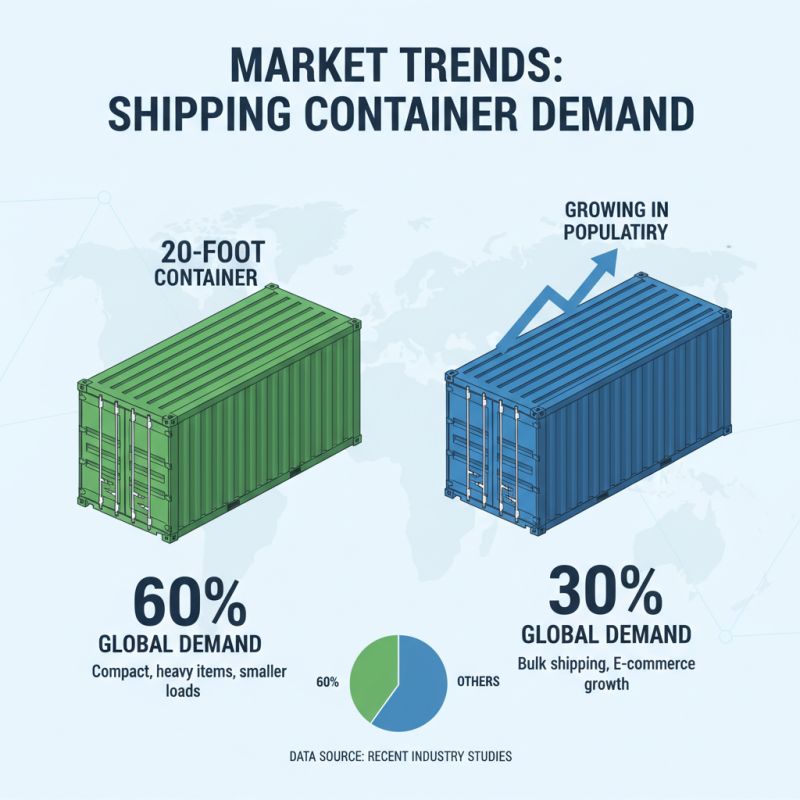
Choosing the right shipping container size is crucial for optimizing efficiency in logistics. Recent studies indicate that 20-foot containers account for approximately 60% of global shipping container demand. Their compact size makes them ideal for transporting smaller loads or heavier items. However, the 40-foot container is gaining popularity, now representing 30% of the market. This trend reflects a growing demand for bulk shipping, driven by e-commerce growth.
Understanding these market trends helps businesses make informed decisions. For instance, according to the International Maritime Organization, inefficient container usage can increase transport costs by up to 20%. Adjusting to the popular sizes can improve shipping cost-effectiveness.
**Tips:** Ensure your shipment’s dimensions fit the container size accurately. Overloading can lead to delays and fines. Monitor market trends regularly. The right container size might evolve with changes in consumer demand. Adapting to these shifts is essential for maintaining a competitive edge in logistics.