How to Convert Shipping Containers for Your Next Project?
Shipping containers are transforming the way we approach construction, design, and sustainability. Architect Michael Reynolds, a leading expert in using converted shipping containers for eco-friendly living spaces, once stated, "Converted shipping containers offer a sustainable alternative that challenges traditional architecture." His insights emphasize the potential of these versatile structures.
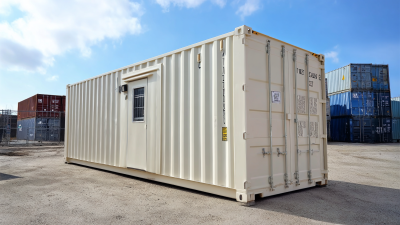
Converting shipping containers requires creativity and practicality. They can be repurposed into homes, offices, and even workshops. Each conversion presents unique challenges. Not all containers are created equal; some may have structural issues or need modifications. Understanding these details is crucial for a successful project.
Many see only the exterior of converted shipping containers, but the real work lies beneath the surface. Planning, design, and execution all demand careful thought. For instance, insulation and ventilation must be adequately addressed. A beautifully converted space might hide imperfections if not properly managed. Every project can be a learning experience, pushing the boundaries of innovation and design.
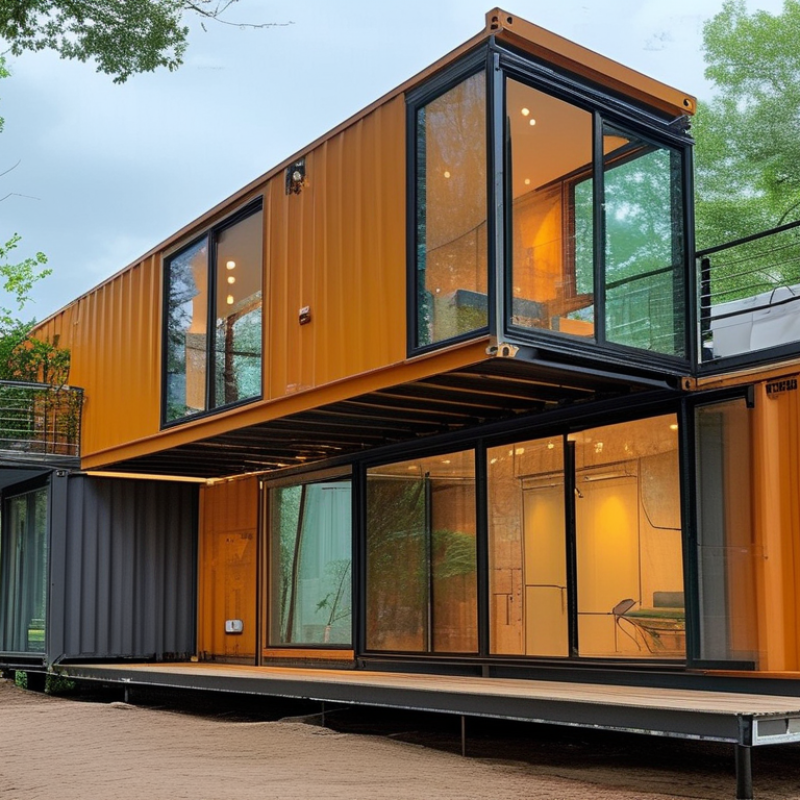
What to Consider Before Choosing Shipping Containers for Your Project
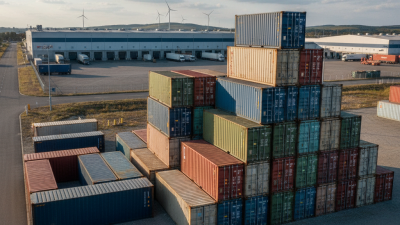
Choosing shipping containers for your project requires careful consideration. The trend of using containers has surged, with a report from Global Market Insights stating the container sales market could reach $9 billion by 2027. What influences this growth? Understanding space, size, and condition is key. Shipping containers vary greatly, from standard sizes like 20-foot and 40-foot units to high-cube options. Your choice should fit the project's needs.
Assessing container condition is crucial. A used container might be cheaper but may require more repairs. According to the Institute of Scrap Recycling Industries, approximately 60% of shipping containers are repurposed, but this can come with hidden costs for refurbishment. Are you prepared for additional expenses? Taking a closer look at insulation, structural integrity, and rust is vital. Location also plays a role; local regulations on container use differ significantly. Ignoring them can lead to delays.
These projects often spark innovative designs. However, function should be prioritized over aesthetic appeal. Many overlook practical aspects, like ventilation and plumbing. These factors can make or break your project. Reflecting on these elements will lead to a more successful outcome.
Essential Tools and Materials for Converting Shipping Containers
When converting shipping containers, having the right tools and materials is crucial. Begin with essential tools like a
reciprocating saw, grinder, and drill. A welder is also important for making
structural modifications. These tools help you alter the container's shape and create openings for doors and windows.
Make sure to have proper safety gear, including gloves and goggles.
You will also need various materials. Steel reinforcements are vital
for ensuring the container maintains its structural integrity after cutting. Insulation materials, such as foam
or spray insulation, help regulate temperature inside the container. For finishing touches, consider
paint or sealants to protect the exterior from rust. Even if you aren't a professional,
developing a strong understanding of these basics will enhance your project.
Consideration of weather conditions is essential during your project. Rain or high humidity can adversely
affect your materials. Reflecting on your workspace is also important. An organized area makes the process smoother
and safer. Take your time to gather the right tools and materials, as this aspect is key to the project's overall success.
Step-by-Step Guide to Insulating Your Shipping Container
Insulating your shipping container is crucial for comfort and energy efficiency. Start by assessing the container's current condition. Look for rust or damage. This inspection helps in planning your insulation strategy effectively.
Choose your insulation material wisely. Options include foam boards, spray foam, and fiberglass. Each material has unique properties. Foam boards offer high R-values, while spray foam can fill gaps and create a seal. Consider how you will apply the insulation. Will you use adhesive or mechanical fasteners? Keep safety in mind when using tools and materials.
When insulating walls, pay attention to ventilation. Adequate airflow prevents moisture build-up. Install a vapor barrier before insulation to block humidity. Reflect on your progress as you work. Is the insulation even? Are there areas you missed? This process can be tedious, but it’s essential for a well-insulated container.
Design Considerations for Interior Layouts of Converted Containers
Designing the interior of a converted shipping container requires careful thought. Consider your space's flow. You want a seamless experience as you move from one area to another. Take note of the container's dimensions. Standard containers range from 20 to 40 feet. This affects how you organize rooms.
Lighting plays a vital role in container interiors. Windows can be cut into the sides, bringing natural light. Use light colors to enhance brightness. Plan for ventilation, too. Containers can get hot during the summer. Insulation choices will impact comfort and temperature control.
Prioritize essential spaces like a kitchen and bathroom. These require plumbing and electrical setups. Layouts can be tricky. The limited width offers challenges for furniture placement. Consider multifunctional furniture to maximize efficiency. Reflect on how you use each space. Are there areas that feel cramped or underutilized? Adapting your design based on these observations can lead to a more functional living environment.
Finishing Touches: Painting and Landscaping Your Shipping Container Project
When converting shipping containers, finishing touches can transform your project. Good aesthetics enhance value. Consider painting and landscaping carefully. A well-painted container can improve its longevity and appeal. Using high-quality, weather-resistant paints is crucial. They can last up to 10 years, according to industry reports.
Local landscaping can create a warm environment. Incorporating plants contributes to better air quality. This is vital in urban settings, where containers can feel isolated. Adding greenery also softens the container's harsh lines. Choosing native plants can reduce water usage. This aligns with sustainable practices, which are increasingly important in modern projects.
**Tip:** Use earthy tones on your container. These colors blend well with nature and create a calm atmosphere.
**Tip:** Consider vertical gardens to maximize space. They not only look great but also serve as insulation. This can reduce energy costs over time.
Interestingly, not all finishes are ideal for every location. Some materials might not withstand local weather conditions. Always research the best local solutions to avoid repeated renovations.