What Are the Different Shipping Container Sizes for Buyers?
When considering logistics, understanding shipping container sizes is crucial for effective decision-making. Industry reports indicate that global trade continues to grow, with the shipping container industry projected to reach a market size of $9.85 billion by 2027. According to industry expert John Stevens, "The right shipping container size can streamline operations and reduce costs dramatically."
Various sizes cater to unique needs. For instance, standard 20-foot and 40-foot containers are common for general cargo. In contrast, specialized containers, like refrigerated and high cube models, serve specific purposes. The challenge lies in selecting the proper size for each shipment. Miscalculating the necessary container size can lead to wasted space or damage to goods, leading to increased overhead.
Additionally, trends point toward a growing demand for customizable options, especially in e-commerce. Buyers must navigate these complexities to optimize their logistics strategy effectively. Understanding shipping container sizes is not just about dimensions; it requires careful analysis of individual shipping needs and market conditions. Thus, the decision-making process can benefit from reliable data and expert insights.
Types of Shipping Containers Available for Buyers
When considering shipping containers, various types exist to meet different needs. Standard containers are typically 20 or 40 feet long, offering versatile storage for goods. These sizes are widely available and are perfect for general cargo transport. Their strong structure ensures safety during shipping.
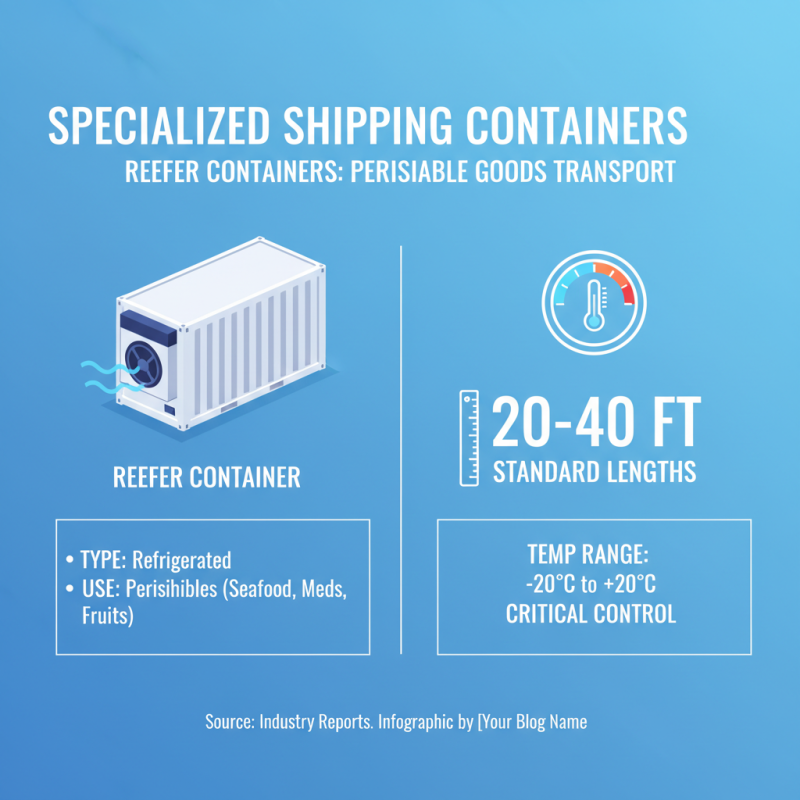
Refrigerated containers, or "reefer" containers, provide temperature control for perishable items. They are essential for shipping food and pharmaceuticals. These units come in similar lengths as standard containers but include specialized insulation. They can also present a higher cost and require a power source.
For oversized equipment, flat racks are useful. They allow for the transport of heavy machinery without walls. Open-top containers provide similar benefits, enabling tall cargo to be securely transported. However, their open design means they may need tarping for weather protection. Each type of container offers specific advantages, yet buyers must weigh costs against needs. Understanding the nuances can help in making informed choices.
Different Shipping Container Sizes
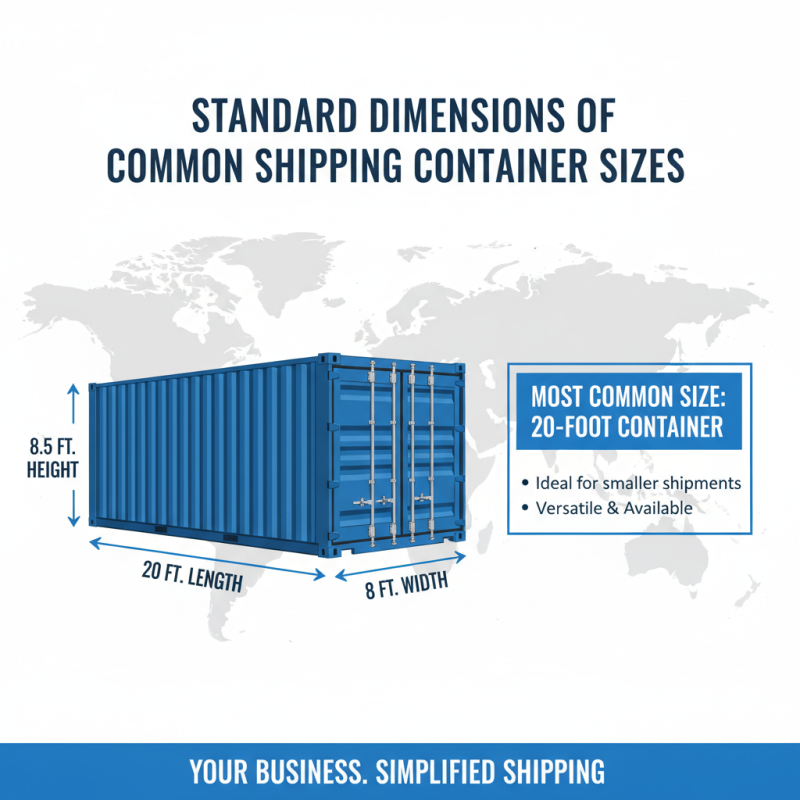
Standard Dimensions of Common Shipping Container Sizes
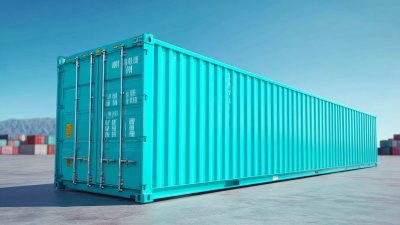
Shipping containers come in various sizes, each designed for specific needs. The most common size is the 20-foot container, which measures 20 feet long, 8 feet wide, and 8.5 feet high. This size is ideal for smaller shipments and easily fits into tight spaces. Many businesses prefer this option for its versatility and availability.
Another popular size is the 40-foot container. It provides double the space, measuring 40 feet long, 8 feet wide, and 8.5 feet high. This larger container is perfect for bulk shipments or larger items. However, it requires more room for transport and unloading. Buyers must consider their specific needs when choosing between these sizes.
Additionally, there are specialized containers, such as high cube containers. These have an extra foot in height, measuring 40 feet long, 8 feet wide, and 9.5 feet high. They are useful for items that need more vertical space. Buyers should evaluate their cargo dimensions carefully. Understanding the dimensions of these containers is crucial for optimizing shipping efficiency and reducing costs.
Specialized Shipping Containers and Their Unique Dimensions
The world of shipping containers offers a range of specialized options. Among these, refrigerated containers, also known as reefer containers, are essential for transporting perishables. Typically, they come in standard dimensions of 20 and 40 feet. According to industry reports, these containers maintain an internal temperature between -20 to +20 degrees Celsius. This control is vital for products like seafood, pharmaceuticals, and fruits.
Another type is the open-top container, designed for oversized cargo. This style often measures 20 or 40 feet in length. The absence of a solid roof allows for tall items to be loaded easily. However, proper tarping or weatherproofing must be considered to protect goods during transport.
When selecting a shipping container, always consider your cargo dimensions and weight limits. Knowing the specifications can prevent mishaps.
Tip: Always check the weight capacity of your chosen container type. Different designs can handle varying loads.
Also, consider the shipping route. Not all containers are suited for all environments. Some can face challenges in extreme weather conditions.
Tip: Assess your logistics needs closely. Choosing the right container can save money and time later.
Factors Influencing Shipping Container Size Selection
When selecting the right shipping container size, several key factors come into play. One of the most significant is the type of cargo being transported. For instance, a standard 20-foot container can hold around 1,170 cubic feet, making it ideal for heavier or bulky items. In contrast, a 40-foot container, with roughly 2,390 cubic feet of space, is often preferred for lighter, more voluminous goods. This decision can impact shipping costs as well, with shipping lines charging based on the container size and the weight of the cargo.
Another factor influencing container size is logistics and storage space. According to industry reports, nearly 30% of logistics costs stem from inefficient cargo handling. Choosing the right container can optimize space both in transit and storage. Space constraints at the shipping origin or destination may require smaller containers. Moreover, terminal capacity and weight restrictions also play vital roles. Some ports have strict guidelines regarding container sizes, impacting the overall shipping strategy.
Environmental considerations are increasingly relevant too. Larger containers generally lead to higher emissions per shipment. A study from the International Maritime Organization highlights this concern, indicating that shipping accounts for approximately 2-3% of global greenhouse gas emissions. Buyers are thus encouraged to evaluate not only their immediate needs but also their long-term environmental impact when selecting a container size.
Comparative Analysis of Container Sizes for Specific Uses
When selecting shipping containers, understanding sizes is crucial. The standard containers are 20-foot and 40-foot options. According to industry reports, the 20-foot container usually holds about 28,000 pounds of cargo. It's ideal for smaller shipments or projects requiring lesser space. The 40-foot container, on the other hand, can accommodate nearly double, around 56,000 pounds. Such containers are commonly used for larger freight and can maximize transport efficiency.
Specific uses often dictate the choice of container size. For example, a 40-foot high cube container offers added height for bulky goods. Reports indicate that this variant increases volume capacity by 10%, making it suitable for furniture or industrial equipment. However, buyers should assess their needs carefully. Oversizing can lead to wasted space and increased costs. Conversely, undersizing might result in multiple shipments, negating the benefits of bulk transport. Balancing size and cost efficiency is essential for effective logistics management.
What Are the Different Shipping Container Sizes for Buyers? - Comparative Analysis of Container Sizes for Specific Uses
| Container Size |
Dimensions (L x W x H) |
Capacity (CBM) |
Weight Limit (KG) |
Typical Uses |
| 20ft Container |
6.06m x 2.44m x 2.59m |
33.2 |
30,480 |
General Cargo, Household Goods |
| 40ft Container |
12.19m x 2.44m x 2.59m |
67.7 |
30,480 |
Bulk Cargo, Industrial Equipment |
| 40ft High Cube Container |
12.19m x 2.44m x 2.89m |
76.4 |
30,480 |
Large Equipment, Furniture |
| 45ft High Cube Container |
13.72m x 2.44m x 2.89m |
85.0 |
30,480 |
Large Shipping, Retail Goods |