Top 10 Essential Facts About Freight Containers You Need to Know

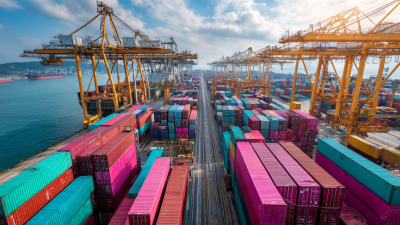
Freight containers are the backbone of international trade and logistics, enabling the seamless movement of goods across the globe. Understanding the essential facts about freight containers is crucial for anyone involved in shipping, supply chain management, or logistics. These robust metal boxes come in various sizes and types, designed to accommodate different kinds of cargo, from electronics to raw materials. With their standardized dimensions, freight containers have revolutionized the shipping industry, significantly improving efficiency and reducing costs.

In this article, we will explore the top ten essential facts about freight containers that every professional should know. From their historical development and design specifications to their impact on global trade and environmental considerations, we will delve into the multifaceted world of freight containers. Whether you are a seasoned logistics expert or new to the industry, this knowledge will enhance your understanding of how freight containers operate within the supply chain and their vital role in connecting markets worldwide.
Top 10 Essential Facts About Freight Containers You Need to Know

History and Evolution of Freight Containers in Global Trade

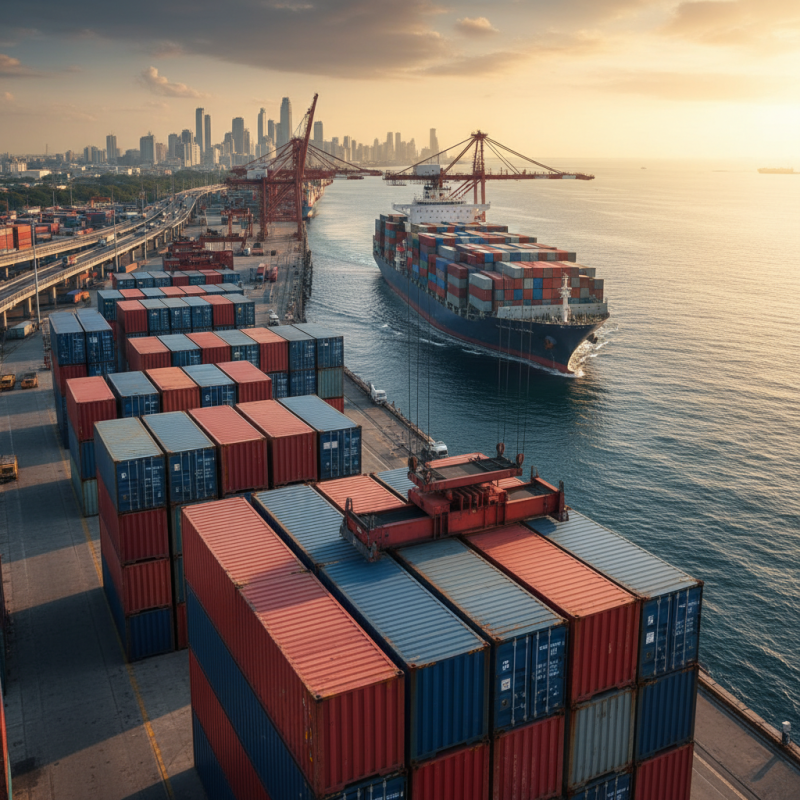
The history of freight containers can be traced back to the mid-20th century, marking a revolutionary change in global trade practices. Initially, goods were transported in various types of packaging, making the loading and unloading process cumbersome and time-consuming. The introduction of standardized freight containers in the 1950s drastically improved efficiency, allowing for seamless transfer between different modes of transportation, such as ships, trucks, and trains. This innovation reduced transit times and costs, paving the way for the globalized economy we see today.

Over the decades, freight containers have evolved in size, design, and materials, adapting to the changing demands of international commerce. The standardization of container sizes has enabled shipping lines to optimize cargo capacity, while advancements in technology have introduced features such as temperature control and enhanced security. The continued adaptation of freight containers reflects the dynamic nature of global trade, where supply chain efficiency is paramount.

Today, containers are not merely a means of transport; they symbolize the interconnectedness of international markets and the logistics industry’s commitment to innovation.
Types of Freight Containers: An Overview of Common Designs and Uses

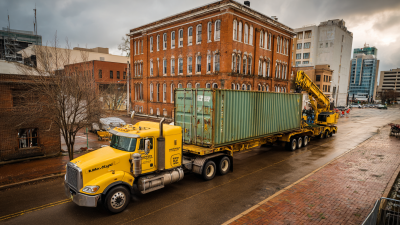
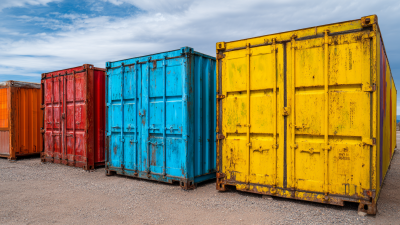
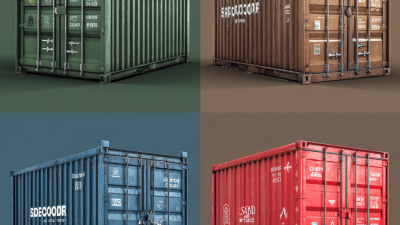
Freight containers are crucial for global trade, and understanding the various types can help you grasp their significance. The most common design is the standard intermodal container, typically 20 or 40 feet long, which is versatile and used for a wide array of goods. These containers are also built for durability, allowing them to be transported by trucks, ships, and trains. Additionally, there are specialized containers like refrigerated units designed for perishable items, open-top containers for oversized cargo, and flat racks for heavy machinery, each serving a specific function in the shipping process.

When selecting a freight container, consider the nature of your goods. For sensitive items, temperature-controlled containers are essential to maintain quality during transit. If you're shipping irregularly shaped items, open-top or flat rack containers might be the way to go.

Tips: Always ensure that your cargo is properly secured to prevent damage. Investing in good packing materials and using dunnage can help stabilize your load. Additionally, understanding the requirements for each container type can save you from unnecessary costs and delays in shipping.

Material Composition: Understanding the Durability of Freight Containers

The material composition of freight containers plays a critical role in determining their durability and lifespan. Most commonly, these containers are constructed from high-quality steel, particularly Cor-Ten steel, which is designed to resist corrosion and damage from the elements. This type of steel is specifically engineered to develop a protective patina that allows it to withstand harsh weather conditions, making it an ideal choice for intermodal transport across various climates. The durability of steel ensures that these containers can endure the rigors of transportation, stacking, and long-term storage without significant wear and tear.

In addition to steel, some freight containers utilize aluminum and fiberglass, particularly for specialized applications. Aluminum containers are lighter than their steel counterparts, offering reduced shipping costs and increased fuel efficiency. They are particularly valuable for transporting lighter materials or when weight restrictions are a concern. Fiberglass, on the other hand, is sometimes used for containers intended to hold sensitive cargo, as it provides excellent insulation and protection against temperature fluctuations. Understanding the material properties of freight containers allows shippers to make informed decisions based on the type of cargo being transported, ensuring both safety and efficiency in global trade operations.

Top 10 Essential Facts About Freight Containers: Material Composition

This bar chart illustrates the composition of different materials used in freight containers. Steel dominates the composition at 60%, followed by aluminum at 20%. Other materials like fiberglass, wood, and plastics contribute incrementally to the overall structure and durability of freight containers.

Shipping and Transportation Regulations Affecting Freight Containers

Top 10 Essential Facts About Freight Containers You Need to Know

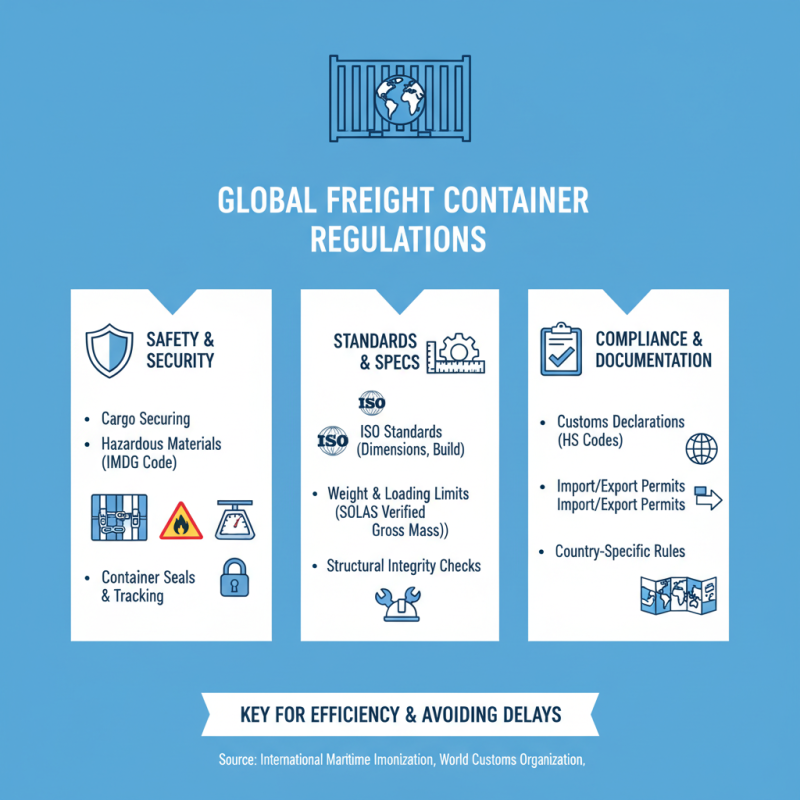
Shipping and transportation regulations play a crucial role in the use of freight containers, impacting everything from container specifications to handling procedures. These regulations are designed to ensure safety, security, and efficiency in the global shipping industry. Each country may have its own set of rules regarding the types of materials that can be shipped, how containers must be loaded, and the documentation required for clearance at ports. Understanding these regulations is essential for anyone involved in shipping freight, as non-compliance can lead to significant delays and costs.

Tips: To stay compliant, always keep updated with the regulations of the routes you are utilizing. Joining industry groups can provide valuable resources and insights about changing laws and best practices. Additionally, ensure that your shipping documentation is accurate and complete to avoid any penalties at customs checkpoints.

Moreover, international regulations, such as those governed by the International Maritime Organization (IMO), outline standards for container design and safety. Freight containers must meet specific structural criteria and be suited for the cargo’s nature, whether that means standard dimensions for shipping goods or specialized containers for perishable items. It’s important to collaborate with logistics professionals who are well-versed in these standards to ensure safe and successful transportation.

Tips: Engaging with logistics experts can greatly enhance your understanding of container regulations, ensuring that your freight is handled correctly. Always double-check container integrity before shipment to avoid damages that might lead to regulatory complications.

Environmental Impact and Sustainability Practices in Freight Container Use

The environmental impact of freight containers is a growing concern as the logistics industry seeks to enhance sustainability practices. Freight containers are responsible for a significant portion of global carbon emissions, primarily from the transportation of goods across vast distances. To mitigate these impacts, many companies are exploring more efficient shipping practices, including optimizing load capacities and reducing transit times. Innovations such as alternative fuel sources and the use of electric-powered cargo handling equipment are slowly being integrated into operations, promising a lower carbon footprint for freight transport.

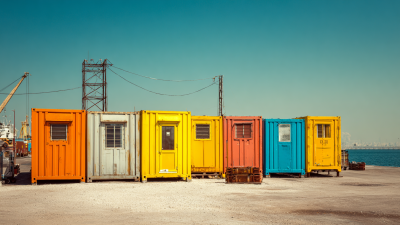
In addition to these technological advancements, sustainable practices like recycling and repurposing used containers are gaining traction. Many shipping companies are investing in systems that not only focus on the end-of-life for containers but also embrace a circular economy approach. Repurposed containers can be transformed into modular housing, offices, or even community spaces, showcasing their versatility. Furthermore, the adoption of eco-friendly materials in container manufacturing and design is helping to address resource depletion and promote sustainability in the supply chain, transforming freight containers from mere vessels of transport to symbols of responsible logistics.

Top 10 Essential Facts About Freight Containers You Need to Know

Fact Details
1. Standardization Freight containers are standardized to fit on cargo ships, trains, and trucks, facilitating intermodal transport.
2. Environmental Impact Over 90% of global trade is carried by freight containers, contributing to carbon emissions but also enabling efficient bulk transport.
3. Reusability Containers can be reused multiple times, reducing the need for new materials and diminishing environmental footprints.
4. Recycling When containers reach the end of their life cycle, they can often be recycled into other products or repurposed for different uses.
5. Energy Efficiency Using freight containers can be more energy-efficient compared to other forms of shipping, such as bulk transport by trucks.
6. Emission Regulations Many countries are implementing stricter emission regulations for vessels using freight containers to promote cleaner shipping practices.
7. Technological Innovations Smart containers equipped with GPS and sensors improve tracking and monitoring, contributing to efficiency and sustainability.
8. Carbon Footprint Reduction Optimizing container usage can significantly reduce carbon footprints associated with transporting goods.
9. Impact on Urban Infrastructure Increased use of freight containers impacts urban infrastructure, leading to the need for better logistics and waste management systems.
10. Future of Sustainable Shipping Research and development in alternative fuels and eco-friendly materials for freight containers aim to enhance sustainability in shipping.