7 Essential Quadricycle Bike Buying Tips for Global Buyers

Buying a Quadricycle Bike for international use requires more than comparing prices online. It means examining design, comfort, safety, service support, and daily practicality together. A model that performs well on smooth European streets may struggle on uneven roads, steep village routes, or crowded Asian markets. Global buyers need evidence, not attractive photographs.

This guide shares practical advice from product evaluation, supplier discussions, and real-world riding considerations. It explains how to check frame strength, motor output, battery range, braking systems, seating space, weather protection, and replacement parts. Small details matter. A low step-through frame can help older riders. A sealed battery compartment may protect electronics during heavy rain. A clear warranty can prevent expensive misunderstandings after delivery.

However, no buying checklist is perfect. Range claims often depend on rider weight, temperature, road surfaces, and cargo. Manufacturer language can also sound more certain than testing results justify. Be cautious. Ask for test data, photographs, component brands, and maintenance instructions before committing. Confirm shipping requirements and local road-use rules through reliable official sources. Requirements differ widely between countries and regions.

The seven tips ahead are designed to support careful decisions, not rushed purchases. They help buyers compare complete ownership costs, not only the showroom price. A dependable Quadricycle Bike should fit its rider, route, climate, and support network. If one detail remains unclear, pause and investigate. That pause may save money, time, and frustration later.
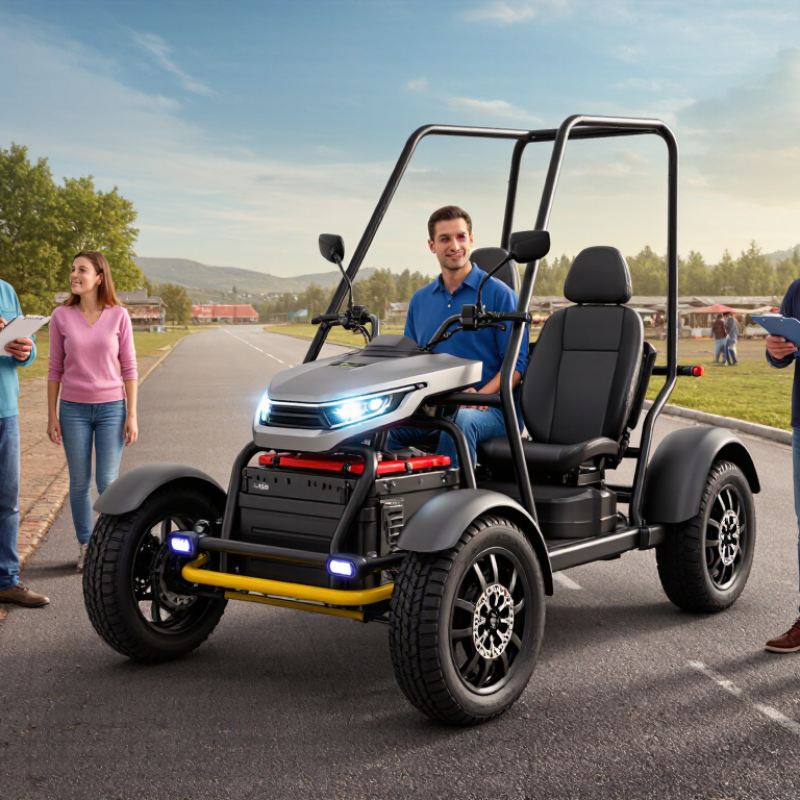
7 Essential Quadricycle Bike Buying Tips for Global Buyers

Define Your Quadricycle Bike’s Intended Use and Rider Requirements

Before choosing a quadricycle bike, define where and why it will be used. A vehicle for grocery trips needs different features from one used for campus transport. Consider road surfaces, travel distance, storage space, weather, and daily parking conditions. Smooth pavement may hide problems that appear on steep streets or rough paths. Think beyond the first week.

Tip: Write down three typical trips. Include distance, cargo, slopes, and passenger needs. This simple record can prevent an expensive mismatch.

Rider requirements should guide the frame, controls, seating, and safety equipment. Check the rider’s height, leg reach, balance, strength, and vision. Older riders may prefer low-step access and simple controls. Families may need stable seating and secure cargo compartments. A heavier load can affect braking, turning, and battery range. Ask whether the rider can comfortably enter, exit, and manage the vehicle without assistance.

Try before buying, whenever possible. Test slow turns, braking, hill starts, and loading. Measure the storage area at home, not just the vehicle. I have seen buyers focus on seating comfort and overlook handlebar reach. That mistake can become tiring after twenty minutes. Manufacturer specifications are useful, but real riding conditions reveal more. Leave room for uncertainty, especially when routes, weather, or rider needs may change.

Compare Quadricycle Designs, Motors, Batteries, and Carrying Capacity

Choosing a quadricycle starts with matching its design to daily routes. A narrow body suits crowded streets and tight parking spaces. A wider cabin feels safer, but may reduce maneuverability. Check the turning circle, seat position, visibility, and door opening angle. Do not trust pictures alone. During test rides, listen for rattles and feel how firmly the chassis responds over uneven surfaces.

Motor selection affects hill climbing, acceleration, and energy use. Hub motors are simple and often easier to maintain. Mid-mounted motors can improve weight balance on steep roads. Battery capacity matters, but usable capacity matters more than the advertised figure. Ask about charging time, thermal protection, replacement cost, and performance in cold weather. I have seen vehicles with impressive range figures lose power quickly on hills, so request independent test data when available.

Carrying capacity should include passengers, luggage, and everyday equipment. Measure the cargo area, not just its stated volume. A quoted payload may exclude the battery or driver. Test the vehicle with realistic weight, such as groceries and a toolbox. Watch how braking distance and steering change under load. For global buyers, confirm charging compatibility, service access, spare-part availability, and local road classification. Some compromises remain unavoidable. A larger battery can reduce cargo space and increase vehicle weight.

Check Safety Features, Stability Standards, and Rider Protection

A quadricycle bike can feel reassuring, yet four wheels do not guarantee safety. Check the frame welds, steering joints, brake cables, and tires in bright light. Ask for documented testing against recognized regional safety standards. Requirements differ between markets, so vague claims deserve questions. A clear manual should explain load limits, braking performance, lighting, and maintenance intervals.

Stability depends on more than wheel count. A low center of gravity helps, while a tall seat or heavy rear basket can make turning awkward. During a test ride, steer slowly around a marked corner and brake on a gentle slope. Watch for wheel lift, frame flex, delayed braking, or uncomfortable handlebar movement. The bike should remain predictable when carrying its stated payload. Small details matter.

Protection includes adjustable belts, enclosed chain areas, strong footrests, reflectors, and reliable front and rear lights. Riders should also have a clear view of traffic and enough space to mount safely. I once underestimated how difficult a wide model was to control near a curb. That mistake changed my checklist. Measure doorways, ramps, storage spaces, and turning areas before purchase. Independent inspection records add confidence, but they are not a substitute for hands-on testing.

Evaluate Range, Charging Options, Maintenance, and Replacement Parts

A quadricycle bike’s advertised range is only a starting point. Test the usable battery capacity, payload, hills, wind, and winter temperature. A heavily loaded vehicle may lose a noticeable portion of its stated range. Leave a safety margin. Real journeys rarely match laboratory conditions.

Charging access deserves equal attention. The International Energy Agency reported over four million public charging points worldwide at the end of 2023. However, availability varies sharply between cities and rural areas. Confirm the connector, charging voltage, cable length, and charging time before purchase. A removable battery can help in apartments, but it adds lifting and storage concerns. Small detail, big consequence.

Maintenance costs often appear after delivery. Check brake pads, tires, steering joints, suspension mounts, lights, and drivetrain access. Ask whether local technicians can diagnose the battery and controller. The U.S. Department of Energy notes that EV maintenance can be lower because electric drivetrains use fewer moving parts, but quadricycles still face heavy wear from cargo and uneven roads. Replacement parts must be available separately, not only as complete assemblies. Request a parts list, service manual, warranty limits, and realistic delivery times. I would also inspect fasteners and seals personally. One overlooked component can stop the vehicle for weeks. Data helps, but local repair reality matters more.

Verify Global Regulations, Shipping Costs, Warranty, and Seller Support

7 Essential Quadricycle Bike Buying Tips for Global Buyers

Tip 1: Verify the vehicle category before paying.

A quadricycle may be treated as a bicycle, light vehicle, or motor vehicle, depending on the destination. Check speed limits, dimensions, lighting, brakes, battery rules, registration, and insurance requirements with local authorities. UN Economic Commission for Europe regulations show how vehicle classifications can change equipment and approval duties. Product photos are not proof of compliance. Ask for test certificates and a complete technical file.

Tip 2: Calculate the landed cost, not only the seller’s price.

Request a written quotation covering packaging, inland transport, ocean or air freight, customs clearance, duties, taxes, port handling, and final delivery. UNCTAD’s Review of Maritime Transport reports that more than 80% of global merchandise trade moves by sea, but freight prices remain sensitive to capacity and disruption. Incoterms also decide who carries costs and risks. A spreadsheet helps, though it can still miss storage fees. Leave a realistic buffer.

Tip 3: Test seller support before ordering.

Ask about warranty length, covered parts, labor, battery capacity retention, return shipping, spare-part availability, and repair instructions. The World Bank’s Logistics Performance Index 2023 highlights major differences in customs and delivery reliability between markets. Get response times in writing. Try one technical question first. Slow replies before payment rarely improve afterward. A small pilot order may feel inconvenient, but it can expose weak packaging, unclear manuals, or unavailable replacement parts.

Article Source: