Everything You Need to Know About High Cube Shipping Containers
High cube shipping containers have become increasingly popular in the logistics and shipping industry due to their versatility and enhanced capacity. As shipping expert John Smith notes, “The advantages of utilizing high cube shipping containers are undeniable; they optimize space and efficiency, allowing businesses to transport more goods while minimizing costs.” This type of container, standing a foot taller than the standard shipping container, provides additional vertical space, making it ideal for transporting bulkier items or maximizing storage efficiency.
In recent years, the demand for high cube shipping containers has surged, driven by the growth of e-commerce and global trade. Companies are recognizing the importance of maximizing their shipping capabilities, and high cube containers offer a practical solution to meet those needs. With their spacious interior, businesses can take advantage of the extra height to store more products or to accommodate larger items that would not fit in a standard container.
As we delve into the world of high cube shipping containers, we will explore their benefits, applications, and considerations for businesses looking to enhance their shipping strategies. Understanding the features and advantages of these containers can provide valuable insights into optimizing logistics operations and improving overall supply chain efficiency.

High Cube Shipping Containers: Definition and Key Specifications
High cube shipping containers are a specific type of container designed to offer additional vertical space compared to standard containers. Typically, a high cube container measures 40 feet in length, 8 feet in width, and 9.5 feet in height, providing an extra foot of height compared to the standard container. This added height is particularly advantageous for transporting bulky goods or maximizing the use of space in shipping and storage. The standard 20-foot high cube container is also available, catering to varying load requirements.
Key specifications of high cube shipping containers include their durable steel construction, which ensures they withstand rough handling and harsh weather conditions. They typically feature a roof designed to handle various loads and come with multiple door options for easy access. Moreover, high cube containers are often equipped with ventilation systems to facilitate the proper air circulation, preventing moisture buildup that can harm the cargo inside. The enhanced dimensions and structural integrity of high cube containers make them ideal for diverse applications in logistics, construction, and temporary storage solutions.
Advantages of Using High Cube Shipping Containers in Logistics
High cube shipping containers have become increasingly popular in logistics due to their design and versatility. Standing at 9 feet 6 inches tall, they offer an additional foot of height compared to standard shipping containers, allowing for better utilization of space. This extra height enables businesses to maximize loading capacity, accommodating more cargo without increasing the number of containers used. This efficiency translates into significant savings on transportation costs, with studies showing that optimizing container load can reduce shipping expenses by up to 20%.
Moreover, high cube containers are particularly advantageous for companies that deal with bulky or lightweight goods. The extra vertical space can accommodate oversized items, while still providing a suitable environment for goods that require protection from external elements. According to industry reports, the demand for high cube containers has surged by over 30% in the past five years, reflecting a growing recognition of their benefits in efficient supply chain management.
**Tip**: When selecting a high cube container, assess the dimensions and weight limitations to ensure your cargo fits within the specifications, optimizing space usage while preventing damage during transit.
**Tip**: Consider the type of goods being shipped; high cube containers are ideal for items that benefit from extra height, but may not be necessary for denser cargo. Always analyze your logistics needs to make a cost-effective choice.
Advantages of High Cube Shipping Containers in Logistics
Industry Standard Sizes and Capacity of High Cube Containers
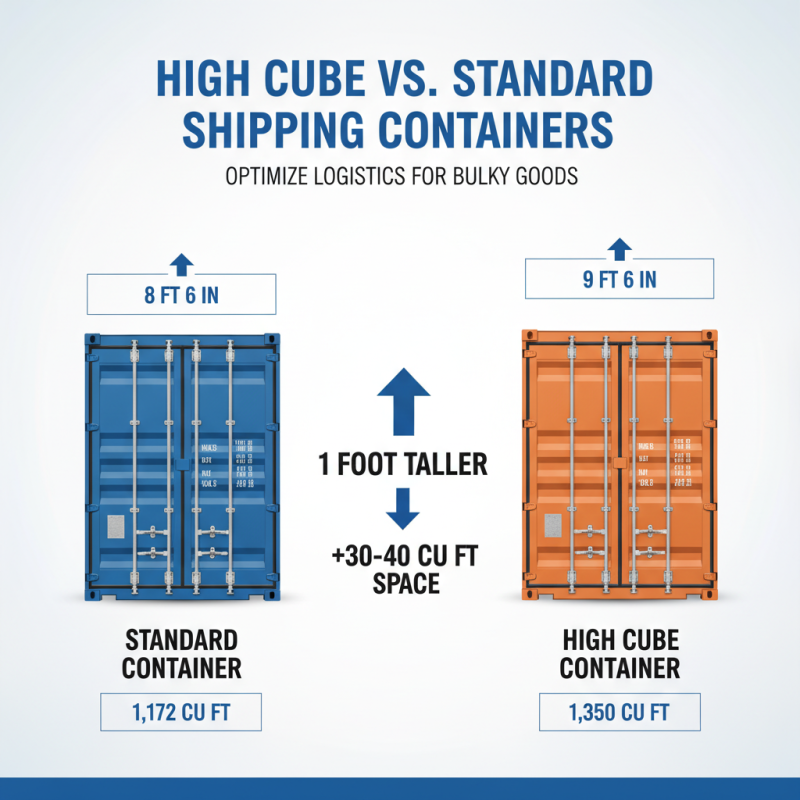
High cube shipping containers are a popular choice in the logistics industry due to their enhanced height and capacity. Generally, these containers are designed to be 9 feet 6 inches tall, compared to standard containers, which are 8 feet 6 inches in height. The increased height allows for extra storage space, making high cube containers particularly suitable for transporting goods that require more room, such as bulky items, appliances, and certain kinds of machinery.
When it comes to industry standard sizes, high cube containers are typically available in lengths of 20 feet and 40 feet. The 40-foot high cube container offers a maximum capacity of around 76 cubic meters, allowing for substantial shipping loads. Meanwhile, the 20-foot variant provides about 33 cubic meters of internal space. It’s important to note that while the high cube containers offer greater volume, they may also have specific weight limitations, which shippers must consider when planning their loading logistics.
Tips: When selecting a high cube shipping container, always measure the dimensions of your cargo to ensure it fits comfortably inside. Additionally, it's advisable to check the container's maximum payload capacity to avoid overloading. Lastly, consider the container's ventilation options if you plan to ship goods sensitive to humidity or temperature changes.
Comparison of High Cube Containers to Standard Containers
When comparing high cube containers to standard shipping containers, the most striking difference is their height. High cube containers are typically one foot taller than standard containers, providing an extra 30-40 cubic feet of internal storage space. This additional height can significantly benefit businesses that require more volume for their goods without needing to increase shipment frequency. High cube containers are often preferred for shipping lightweight, bulky items that can take advantage of the extra space to optimize logistics.
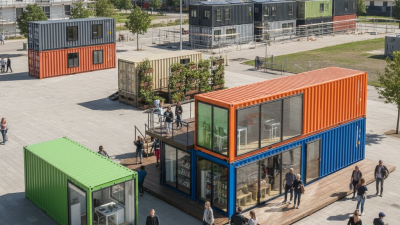
Another factor to consider is the weight capacity. Although high cube containers are taller, they generally possess the same structural strength and weight capacity as standard containers. This means they can accommodate a similar amount of weight while offering a more spacious environment for cargo. Additionally, high cube containers are versatile and can be utilized for various applications, including storage, temporary offices, and even residential use. Their spaciousness makes them suitable for industries that require greater vertical space for stacking goods or storing inventory, effectively enhancing storage solutions and operational efficiency.
Market Trends in High Cube Shipping Container Usage and Demand
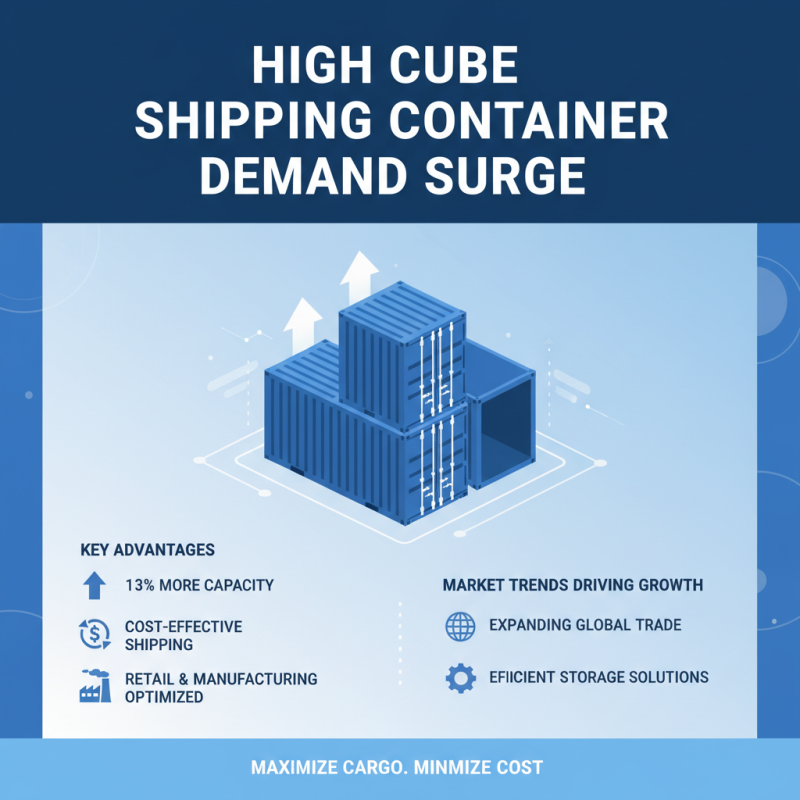
The demand for high cube shipping containers has seen a remarkable surge, driven by several market trends. As global trade continues to expand, businesses are increasingly seeking efficient ways to optimize shipping and storage solutions. High cube containers, with their increased height, offer approximately 13% more internal capacity compared to standard containers. This extra space is particularly advantageous for various industries, including retail and manufacturing, allowing them to maximize cargo capacity without significantly increasing shipping costs.
Another notable trend is the growing inclination towards sustainability and environmentally friendly practices in logistics. High cube containers can help reduce the carbon footprint of shipping operations by allowing companies to transport more goods per trip, thereby decreasing the number of voyages needed. This aligns with the global emphasis on reducing emissions and promoting efficient resource use. Additionally, as e-commerce continues to grow, the demand for specialized shipping solutions, including high cube containers, is expected to rise, catering to the diverse needs of businesses aiming for quick and effective distribution channels.