Why High Cube Shipping Containers Are the Best Choice for Your Storage Needs
In today's rapidly evolving logistics and storage landscape, the demand for efficient and versatile storage solutions has never been higher. Among the various options available, high cube shipping containers have emerged as the preferred choice for many businesses and individuals alike. According to the latest industry report from the Container Owners Association, the market for high cube containers is expected to grow by approximately 20% over the next five years, as their adaptability and increased space capacity resonate with a broad range of storage needs.
Industry expert, John Anderson, a renowned consultant in container logistics, emphasizes the advantages of high cube containers by stating, "The additional height offered by high cube shipping containers unlocks significant storage potential, making them invaluable for both commercial and residential applications." This enhanced vertical space allows users to maximize their storage capacity without the need for costly expansions or additional real estate, making high cube shipping containers a cost-effective alternative.
Furthermore, as sustainability becomes a focal point in the shipping industry, high cube shipping containers also contribute to reducing the carbon footprint associated with conventional storage solutions. Their robust design and durability ensure longevity, minimizing the need for frequent replacements. With these compelling benefits, high cube shipping containers are poised to lead the way in the future of storage solutions, offering unparalleled practicality for a diverse array of consumers.
Benefits of High Cube Shipping Containers for Storage Solutions
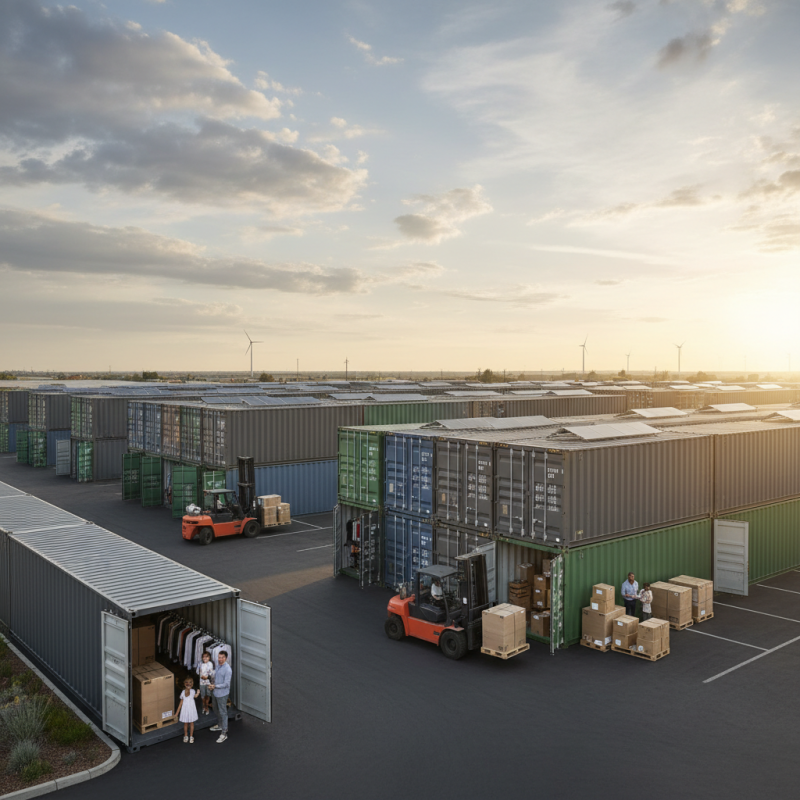
High cube shipping containers have become increasingly popular for storage solutions due to their unique advantages over standard containers. Measuring 9.5 feet in height compared to the traditional 8.5 feet, high cube containers offer an additional foot of vertical space, allowing for more efficient use of cubic footage. According to a report by the World Shipping Council, the demand for higher storage capacity has surged, with over 60% of storage facilities now favoring high cube options for their adaptability.
One of the key benefits of high cube containers is their versatility. They can accommodate larger items that may not fit comfortably in standard containers, making them ideal for a wide range of applications, from construction and landscaping equipment storage to inventory management in retail. The increased vertical space allows users to utilize shelving units or stack items more effectively, optimizing storage density. Additionally, studies have shown that businesses can reduce their operational costs by up to 20% by implementing high cube solutions due to improved space management and reduced need for multiple storage units.
Furthermore, high cube containers are built to withstand harsh environmental conditions, providing durability and security for your assets. A report from Freightos indicates that shipping and storage efficiency can be significantly improved with high cube containers, noting that they are designed for better airflow and moisture control, thus preserving the quality of stored goods. With their robust construction and increased space, high cube shipping containers represent a smart choice for individuals and businesses looking to enhance their storage capabilities.
Comparative Analysis: High Cube vs Standard Shipping Containers
When considering storage solutions, the choice between high cube and standard shipping containers is essential for optimizing space and functionality. High cube containers, which provide an additional foot of height compared to standard containers, offer a greater volume, making them ideal for various storage needs. According to a report by the FreightWaves Research, high cube containers have become increasingly popular, accounting for over 50% of the container market in recent years. This popularity is largely driven by their versatility, as they can accommodate a wider range of items, from large machinery to bulk storage of goods.
The key differences between high cube and standard containers lie in their dimensions and usability. A standard shipping container typically measures 8 feet in height, while high cube containers reach 9.5 feet. This additional height not only allows for more vertical storage but also enhances the capacity for large or irregularly shaped items. Moreover, a study by the International Maritime Organization highlights that utilizing high cube containers can lead to a 20% increase in storage efficiency, reducing the need for additional units and lowering overall storage costs. This makes high cubes a financially prudent option for both businesses and individuals looking to maximize their storage solutions.
Why High Cube Shipping Containers Are the Best Choice for Your Storage Needs
Optimal Sizing: Understanding the Dimensions of High Cube Containers
When considering storage options, understanding the dimensions of high cube containers is crucial. These containers are taller than standard shipping containers, typically measuring 40 feet long, 8 feet wide, and 9.5 feet high. This additional height provides an extra foot of vertical space, allowing for more efficient storage and maximizing the use of available area. This extra room can be particularly beneficial for businesses that deal with bulk items or need to store large equipment.
When utilizing high cube containers, one helpful tip is to carefully plan your layout. Take advantage of the vertical space by using shelving or stacking items, which can help keep the container organized and accessible. Additionally, consider the weight distribution of your items to ensure the container remains stable and safe during transport or relocation.
Another important consideration is ventilation. High cube containers can accumulate heat and moisture if not properly ventilated. Adding vents or fans can help maintain a stable environment for stored goods. Being mindful of the container's dimensions and optimizing your storage layout can lead to a more efficient and effective storage solution.
Cost-Effectiveness: Analyzing Pricing Trends in Container Storage
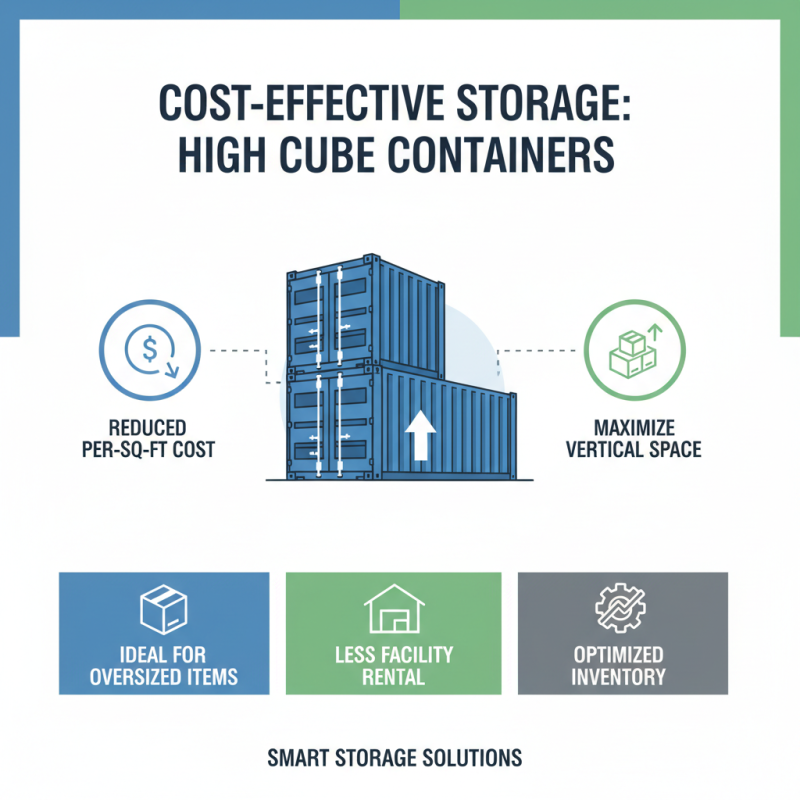
When considering storage solutions, cost-effectiveness is paramount. High cube shipping containers offer an economical option that has gained popularity in recent years. Their increased height compared to standard containers allows for maximizing vertical space, which can significantly reduce the per-square-foot cost of storage. This makes them particularly appealing for businesses looking to store oversized items or maximizing inventory without the burden of additional rental costs for larger facilities.
Furthermore, analyzing recent pricing trends in container storage reveals that the demand for high cube containers has remained stable, often leading to competitive pricing. As businesses across various sectors recognize the advantages of utilizing these versatile containers for storage solutions, suppliers have adjusted their pricing strategies to remain attractive in a competitive market. Consequently, organizations can benefit from a wider selection of affordable options while meeting their unique storage requirements. By understanding these pricing dynamics, businesses can make informed decisions that enhance their operational efficiencies without compromising their budgets.
Durability and Versatility: Industry Standards for Shipping Containers
High cube shipping containers have become a popular choice for storage solutions due to their durability and versatility, meeting various industrial standards. These containers typically provide an additional foot of height compared to standard containers, allowing for better utilization of vertical space.
According to the Container Owners Association, high cube versions account for approximately 60% of new container sales, highlighting their growing acceptance in the logistics and storage sectors. This extra height not only increases storage capacity but also accommodates bulkier goods, making them ideal for industries ranging from retail to construction.
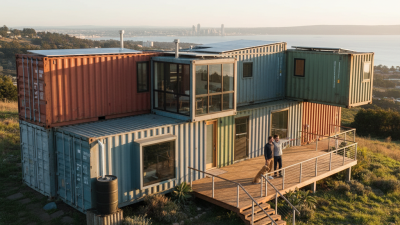
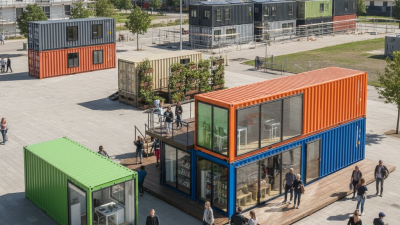
The durability of high cube shipping containers makes them a smart investment. Constructed from corrosion-resistant steel, they are designed to withstand extreme weather conditions, ensuring that items stored within remain safe and secure. A report from the International Maritime Organization indicates that containers are subject to rigorous testing to withstand extreme stress levels, with standards such as ISO 1496 providing guidelines to guarantee their strength and longevity. Additionally, their versatility extends beyond storage; they can be transformed into mobile offices, workshops, or even living spaces. This adaptability further solidifies their position as a favored option for businesses seeking functional and reliable storage solutions.