10 Innovative Ways Converted Shipping Containers Are Transforming Spaces
In recent years, the architectural world has witnessed a remarkable transformation with the rise of converted shipping containers. These versatile structures, originally designed for transporting goods across oceans, have found new purpose in various innovative applications. From cozy tiny homes to vibrant retail spaces, converted shipping containers are redefining the way we think about living, working, and interacting with our environment.
This approach to repurposing provides not only a sustainable solution to material waste but also fosters creative design possibilities that challenge traditional building methods. As urbanization increases and the demand for affordable and flexible spaces grows, converted shipping containers present an appealing answer to these pressing issues. By harnessing the inherent strength and modularity of these containers, architects and designers are crafting unique spaces that reflect contemporary lifestyles and needs, offering new perspectives on what it means to build in our modern world.
As we explore ten innovative ways that converted shipping containers are transforming spaces, we will uncover how this trend is not only a testament to design ingenuity but also a reflection of our evolving relationship with space, sustainability, and community.

Innovative Use of Shipping Containers in Urban Developments
In recent years, the innovative use of shipping containers in urban developments has emerged as a sustainable and flexible solution for housing and commercial spaces. These repurposed structures are not just an economic choice but also a creative way to address issues such as urban density and environmental impact. By converting shipping containers into livable units, cities can tackle the housing crisis while promoting eco-friendly construction practices. This modular approach allows for quick assembly and disassembly, making it ideal for temporary or permanent installations in densely populated areas.
Furthermore, shipping container designs are revolutionizing the concept of mixed-use developments. Urban planners are increasingly integrating these containers for varied purposes, from cafes and retail shops to community centers and offices. The stacked and modular nature of containers enables architects to create dynamic spaces that can be easily adapted to meet community needs. With vibrant designs and customizable interiors, these developments not only enhance the aesthetic appeal of urban landscapes but also foster a sense of community by encouraging social interaction in innovative environments.
10 Innovative Ways Converted Shipping Containers Are Transforming Spaces
| Use Case |
Description |
Location |
Year Implemented |
| Pop-up Retail Stores |
Temporary stores made from shipping containers for seasonal sales. |
Various Urban Areas |
2020 |
| Coffee Shops |
Unique coffee shops utilizing repurposed containers. |
City Centers |
2021 |
| Affordable Housing |
Low-cost housing solutions using modified shipping containers. |
Suburban Developments |
2019 |
| Community Gardens |
Gardening spaces with container-based design for urban farming. |
Urban Neighborhoods |
2022 |
| Art Installations |
Creative public art displays created with containers. |
Cultural Districts |
2021 |
| Mobile Medical Clinics |
Healthcare services delivered in converted shipping containers. |
Remote Areas |
2022 |
| Student Housing |
University-affiliated housing solutions utilizing containers. |
Campus Areas |
2023 |
| Event Spaces |
Venues for concerts and gatherings constructed from containers. |
Festivals |
2021 |
| Workshops |
Community workshops utilizing modified shipping containers. |
Local Communities |
2022 |
| Recycling Centers |
Sustainable recycling facilities designed from containers. |
Urban Areas |
2023 |
Creating Sustainable Housing Solutions with Shipping Containers
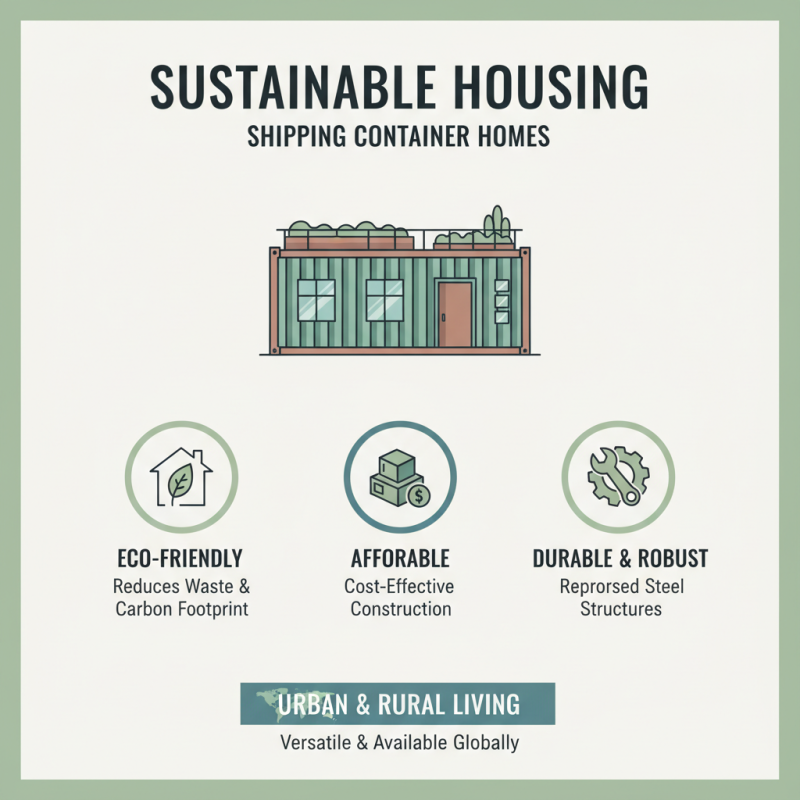
The rising demand for sustainable housing solutions has led to the innovative use of converted shipping containers. These durable steel structures, often used for transporting goods across the globe, are now being repurposed into functional and eco-friendly living spaces. With their robust design and availability, shipping containers provide an excellent foundation for creating affordable homes in urban and rural settings alike. By utilizing these containers, builders can reduce waste and minimize the carbon footprint associated with traditional construction methods.
In addition to their sustainability, shipping containers offer versatility in design. Architects and developers are transforming them into stylish homes, community centers, and even classrooms. Each container can be customized to fit individual needs, allowing for an array of layouts and styles. Incorporating green technologies, such as solar panels and rainwater harvesting systems, further enhances their eco-friendly appeal. This innovative approach not only addresses housing shortages but also promotes a new way of thinking about space and resources in an increasingly urbanized world.
Transforming Shipping Containers into Retail Spaces and Restaurants
Shipping containers are revolutionizing the retail and dining landscape across the United States, transforming urban settings into vibrant commerce hubs. In Wichita, the project Revolutsia showcases a collection of 38 shipping containers arranged to create an innovative shopping experience. This trend is echoed in Redding, where a new restaurant, The Ribcage, is taking shape with repurposed containers, illustrating how these structures can effectively serve culinary ventures. Such developments demonstrate the versatility and creativity possible with these containers, making them an appealing choice for new businesses.
Cities like Lakeland are also embracing this trend by proposing shipping container configurations for restaurants, food stalls, and retail kiosks. These multi-functional spaces not only optimize land use but also introduce a modern aesthetic to conventionally overlooked areas. In Research Triangle Park, for example, shipping containers are being transformed into a dynamic space for dining and shopping, exemplifying how these resilient structures can foster community engagement while promoting sustainable practices through repurposing. Shipping containers are indeed reshaping the food and retail scenes, breathing new life into urban environments and enhancing local economies.
Transformation of Spaces Using Converted Shipping Containers
Using Converted Containers for Mobile Offices and Workspaces
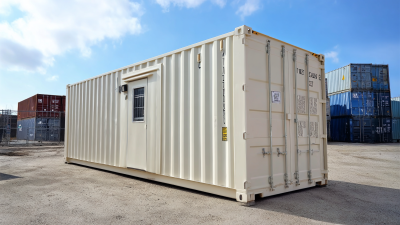
Converted shipping containers are revolutionizing the concept of mobile offices and workspaces, offering a flexible and pragmatic solution for contractors and businesses alike. These office containers can be quickly set up on-site, requiring minimal infrastructure while still providing fully furnished facilities tailored for comfort and productivity. With the growth of the remote work culture, the demand for portable yet professional workspaces has skyrocketed, making container rentals a favored choice among contractors looking to enhance their on-site operational efficiency.
In addition to being practical, converted shipping containers represent an innovative approach to workspace design. Companies are leveraging their versatility to create customized environments that can be easily relocated as project needs change. This adaptability not only contributes to cost savings but also fosters a modern work atmosphere that can be tailored to the unique demands of different teams. By turning these formerly static structures into dynamic workspaces, industries are discovering new possibilities for collaboration and creativity in their daily operations.
Shipping Containers as Community Resource Centers and Learning Hubs
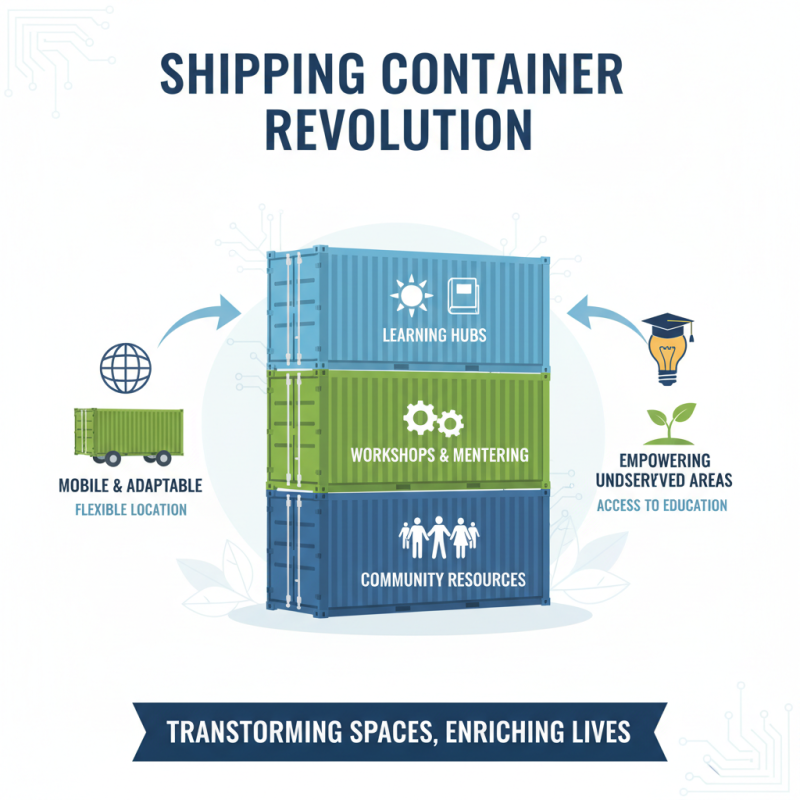
The versatility of converted shipping containers is revolutionizing the concept of community resource centers and learning hubs. These sturdy structures can be easily repurposed to serve as adaptable spaces for educational programs, workshops, and mentoring initiatives. By transforming shipping containers into vibrant learning environments, communities can provide invaluable resources to residents, particularly in underserved areas. The mobile nature of these containers allows for flexibility in location, making it possible to take educational opportunities directly to where they are needed most.
Moreover, shipping container learning hubs foster collaboration and creativity among diverse groups of people. They can be designed to accommodate various activities, from coding workshops to art classes, engaging the local community in meaningful ways. Additionally, these spaces can act as gathering points for discussions on local issues, further empowering residents to voice their concerns and ideas. As community resource centers, converted shipping containers not only enhance educational access but also strengthen community ties, promoting a sense of belonging and collective growth.