Top Methods for Shipping Container Transport in China?
Shipping container transport plays a crucial role in China’s fast-paced economy. The country is one of the largest hubs for trade and logistics. Understanding the best methods for shipping container transport is essential for businesses.
In recent years, various techniques have emerged to enhance efficiency. Each method has its unique advantages and challenges. From roadways to waterways, the options can be overwhelming. Companies must find reliable ways to navigate these complexities. What works for one may not suit another. This variability prompts ongoing reflection and analysis.
As you explore these transport methods, consider both cost and speed. The choice of transport impacts delivery times and customer satisfaction. Making informed decisions requires extensive knowledge of each method’s workings. For successful shipping container transport, expertise is key. Engaging with professionals in the industry can provide valuable insights.
Overview of Shipping Container Transport in China
Shipping container transport plays a crucial role in China's vast logistics network. With a coastline stretching over 14,500 kilometers, the country has numerous ports facilitating international trade. These ports handle millions of TEUs (twenty-foot equivalent units) each year, making efficient transport essential. However, congestion and infrastructural challenges often hinder smooth operations.
Rail transport is gaining traction as a reliable alternative. It connects inland cities to major ports, reducing transit times. Despite this, not all regions are accessible by rail, which limits its effectiveness. Trucking remains a primary method but faces issues like traffic jams and road conditions. Efficient loading and unloading practices are critical but not always prioritized, which can lead to delays.
The increasing demand for eco-friendly solutions is driving innovation. Green logistics initiatives aim to reduce emissions and improve overall efficiency. Yet, many companies still rely on traditional methods, raising questions about sustainability. Continuous evaluation and adaptation to these challenges are necessary for enhancing the shipping container transport landscape in China.
Key Transport Modes for Shipping Containers in China
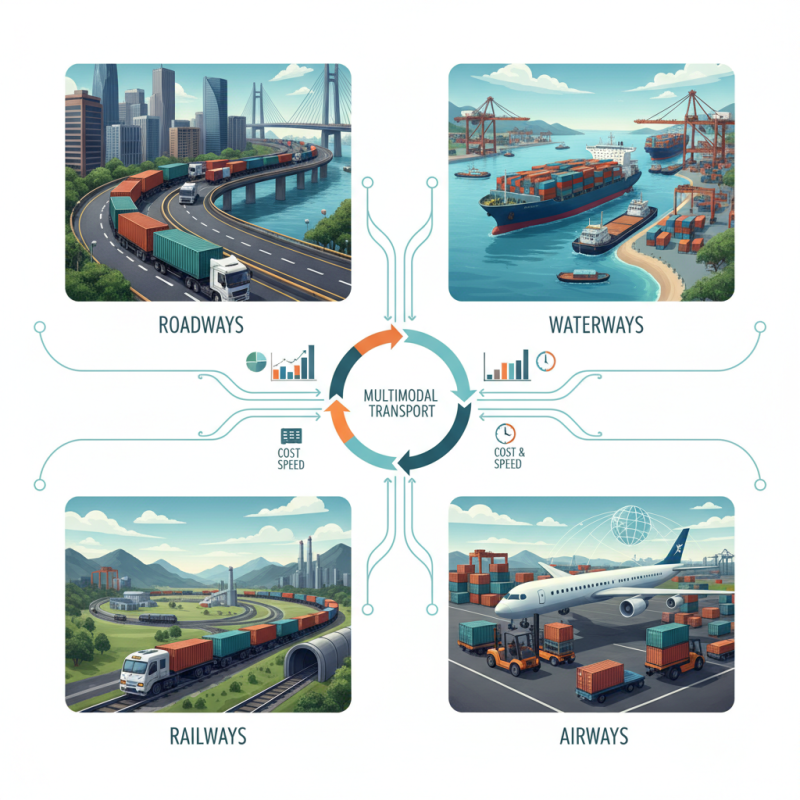
Shipping containers are vital for trade in China. Various transport modes ensure goods reach their destinations efficiently. Each mode has its unique advantages and potential drawbacks.
Rail transport has become increasingly popular for container shipping. Trains can cover vast distances quickly. However, the infrastructure can be uneven in some areas. This inconsistency may lead to delays. Despite this, rail remains a reliable option for bulk shipments across the country.
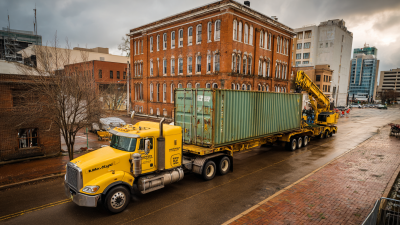
Road transport offers flexibility. Trucks can deliver containers directly to warehouses or distribution centers. Yet, road conditions can vary greatly, potentially causing unexpected holdups. Furthermore, traffic congestion in urban areas can impact delivery times.
Adopting a mix of transport modes can help mitigate these challenges and enhance overall efficiency.
Cost Factors Influencing Container Transport in China
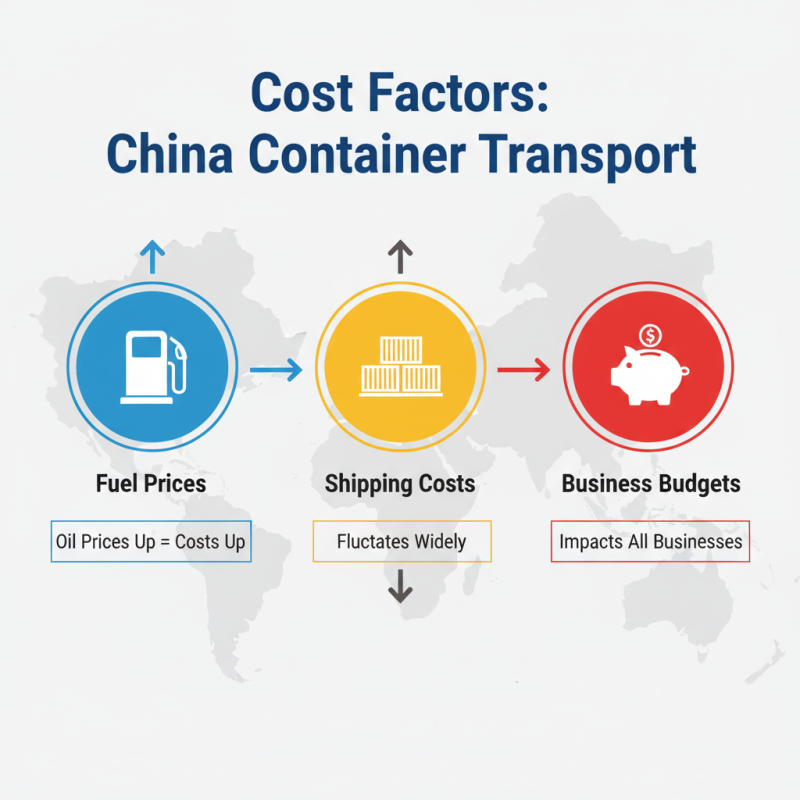
When it comes to container transport in China, cost factors play a crucial role. Shipping costs can vary widely based on several elements. Fuel prices significantly influence overall expenses. If oil prices rise, transport costs increase. This fluctuation can impact budgets for both large and small businesses alike.
Infrastructure also affects costs. China's extensive network of ports and railways should make transport efficient. However, congestion at key hubs often leads to delays. These delays can result in extra charges. Businesses must factor in these potential costs when planning logistics.
Another consideration is packaging and handling expenses. Proper packing protects goods during transit. Yet, this protection comes with a price. Companies must balance safeguarding cargo with minimizing costs. Sometimes, selecting the cheapest option leads to damaged goods. This reality requires careful planning and expertise in logistics.
Best Practices for Efficient Shipping Container Logistics in China
Shipping container logistics in China requires careful planning and execution. Efficiently coordinating schedules and selecting the right vessels is crucial. It’s essential to monitor shipment progress and manage potential delays. Utilizing tracking technology can significantly enhance transparency and reliability.
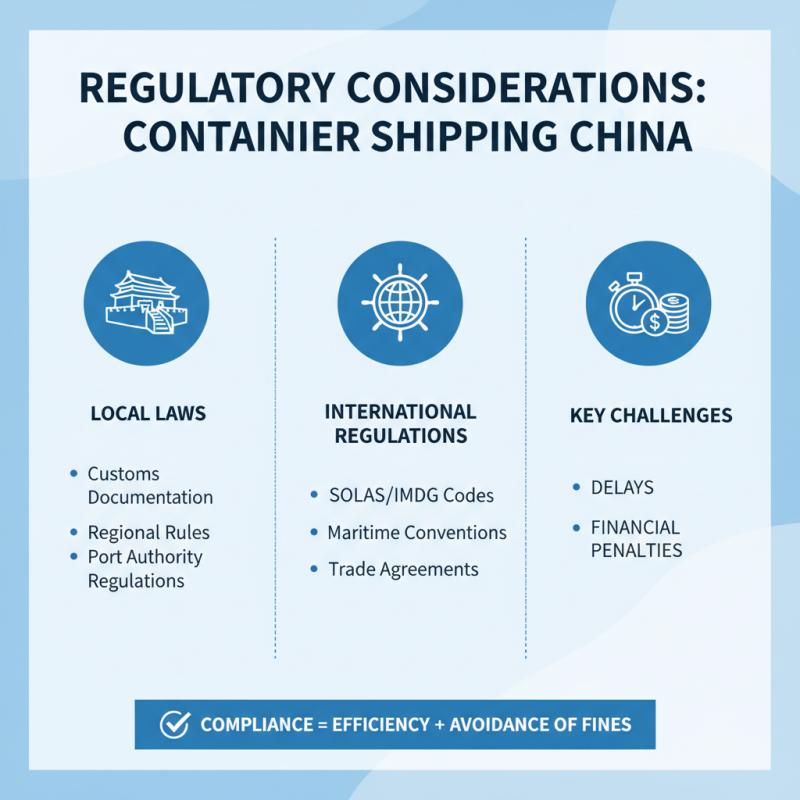
Document preparation is another vital aspect. Ensuring that all necessary paperwork is complete helps avoid delays at customs. Mistakes in documentation can lead to significant setbacks. It’s wise to double-check every detail, as oversights can disrupt the entire process.
Collaboration with local experts is highly beneficial. Engaging with professionals familiar with regional regulations can ease the complexities of container transport. However, communication barriers may arise, requiring patience and persistence. Continuous improvement and learning from mistakes are key elements in refining logistics operations in China.
Top Methods for Shipping Container Transport in China
| Transport Method |
Description |
Advantages |
Challenges |
| Road Transport |
Transporting containers via trucks over roads. |
Flexible routes, door-to-door delivery. |
Traffic congestion, road conditions. |
| Rail Transport |
Using trains to transport containers over long distances. |
Cost-effective for bulk, environmentally friendly. |
Limited routes, scheduling issues. |
| Sea Freight |
Transporting containers via cargo ships over oceans. |
Ideal for international shipping, large capacity. |
Long transit times, weather disruptions. |
| Air Freight |
Using aircraft to transport containers over air. |
Fast delivery times for urgent shipments. |
High costs, limited capacity. |
| Intermodal Transport |
Combining multiple modes of transportation. |
Flexible and efficient, optimized routes. |
Coordination complexity, handling times. |