How to Optimize Shipping Container Transport for Faster Deliveries?
In the realm of shipping container transport, efficiency is paramount. As industry expert John Smith stated, "Streamlined logistics make the difference in delivery speed." This sentiment underscores the need for optimized strategies in transporting shipping containers.
The logistics of shipping container transport can often be overwhelming. Factors such as route selection, cargo handling, and vehicle condition all play vital roles. Delays can stem from overlooked details. Investing time in planning can lead to significant time savings. For example, using technology to track cargo can enhance visibility and reduce miscommunication.
Many companies still encounter bottlenecks despite available solutions. Analyzing current practices can reveal unnecessary complexities. Recognizing these pitfalls is crucial for improvement. Ultimately, refining the shipping container transport process can lead to faster deliveries and heightened customer satisfaction.
Understanding the Basics of Shipping Container Transport
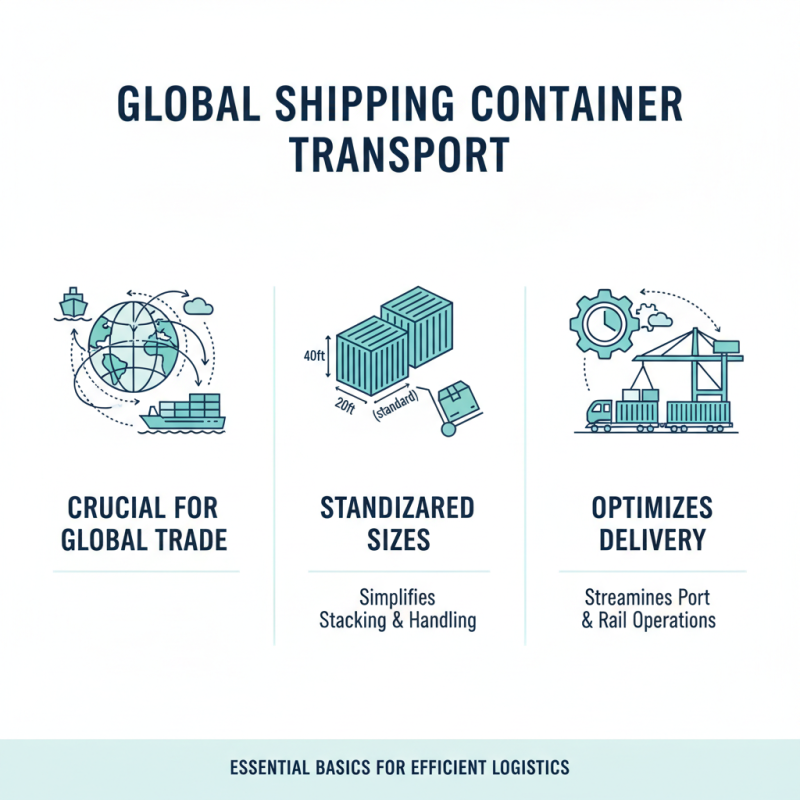
Shipping container transport is crucial for global trade. Understanding its basics is essential for optimizing delivery times. Containers come in various sizes. Standardized dimensions simplify stacking and handling. This uniformity streamlines operations at ports and rail yards.
However, many companies still struggle with delays. Time can be lost during loading and unloading. Inefficient routing often leads to longer transit times. It’s vital to evaluate these processes regularly. Addressing bottlenecks can result in significant improvements. Also, investing in technology aids tracking and inventory management.
Collaboration among freight providers can enhance efficiency. Shared goals help align resources effectively. Regular communication fosters problem-solving. Yet, companies must remain adaptable to evolving logistics demands. In a rapidly changing environment, reflecting on current practices ensures optimal performance.
Analyzing Factors Affecting Shipping Container Delivery Speed
Shipping container transport faces several challenges that affect delivery speed. Factors such as
port congestion, customs procedures, and weather conditions play significant roles.
Understanding these elements can help optimize the process for faster deliveries.
Tips: Consider employing advanced tracking systems. These tools
improve visibility during transit. They provide real-time updates on container status. Reducing delays at customs is crucial. Ensure all documentation is complete before shipping.
Incomplete paperwork can cause significant hold-ups.
Another vital factor is the choice of shipping routes. Direct routes often lead to quicker deliveries.
However, direct routes may not always be the cheapest. Analyze costs versus time to find the best option.
Collaborating with experienced logistics partners can also help. They often have insights into the most efficient practices.
It's crucial to question your current methods. Are they as efficient as they could be?
Regularly evaluate your transport strategies to identify areas for improvement.
Implementing Technology for Enhanced Tracking and Efficiency
Implementing technology for enhanced tracking can significantly improve shipping container transport. Real-time tracking systems allow companies to monitor goods at every stage. According to a recent report by IBM, 57% of businesses found that enhanced tracking boosted their logistics efficiency. Visibility helps in identifying delays quickly. This can reduce downtime and prevent costly disruptions.
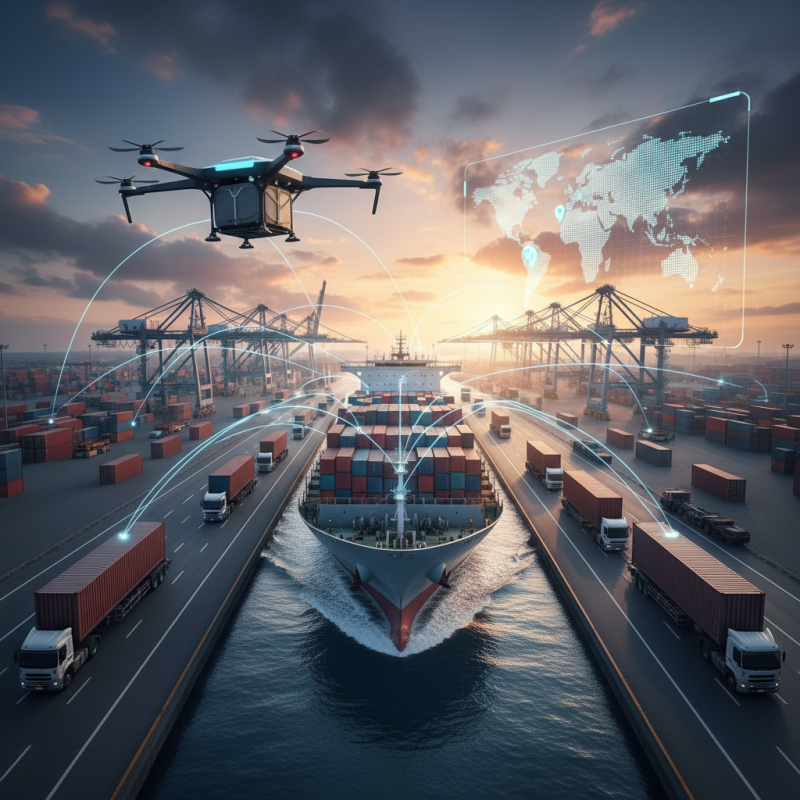
Drones and IoT devices assist in container management. These technologies provide immediate updates on location and condition. A study by McKinsey indicates that proper use of IoT can lower logistics costs by 15%. However, many companies face challenges in integrating these technologies. Staff training and system compatibility are common hurdles.
While technology offers many benefits, the initial investment can be a barrier. Over-reliance on tech can lead to issues if systems fail. Companies must remain flexible and ready to adapt. Continuous assessment is essential to ensure efficiency. Without periodic reviews, businesses risk stagnation in their shipping processes. This ongoing reflection is vital for sustained improvement and competitiveness.
Optimizing Routes and Schedules for Timely Deliveries
Optimizing routes and schedules is essential for faster shipping container transport. Efficient route planning reduces delays. Using real-time traffic data can help avoid congested areas. This could mean the difference between on-time and late deliveries.
Dynamic scheduling is another key factor. Adjusting schedules based on current conditions can be beneficial. It’s important to remain flexible. Sometimes, shifts can lead to improved delivery times. However, ad-hoc changes may lead to confusion in logistics management.
While technology aids in planning, human oversight is vital. Relying solely on algorithms may ignore local insights. A balance is necessary between data-driven decisions and practical experience. Regularly updating routes and schedules ensures continuous improvement. Mistakes happen; learning from them can enhance future operations.
Collaboration with Partners for Streamlined Shipping Processes
In today's fast-paced logistics world, collaboration is key to improving shipping container transport. Working closely with partners can streamline processes and enhance efficiency. By aligning schedules and sharing resources, companies can reduce delays and optimize routes. Communication is critical here. Regular updates can help everyone stay on track and anticipate issues.
Tips: Consider using shared technology platforms. These can help track shipments in real-time. Transparency among partners builds trust. It also leads to quicker problem-solving. Make sure to have regular meetings. This keeps everyone informed and engaged.
Building strong relationships can lead to better service. Open channels allow for rapid adjustments when needed. For example, if one partner faces a delay, others can adapt their schedules. Reflecting on past collaborations can reveal opportunities for improvement. What worked well? What didn't? Learning from experience is vital for future success.