How to Optimize Space in a 10ft Container for Moving?
When planning a move, efficiently utilizing a 10ft container can be a game changer. It may seem small, but with clever organization, you can fit a surprising amount of items. This container is often the perfect size for a studio apartment or a few rooms worth of belongings.
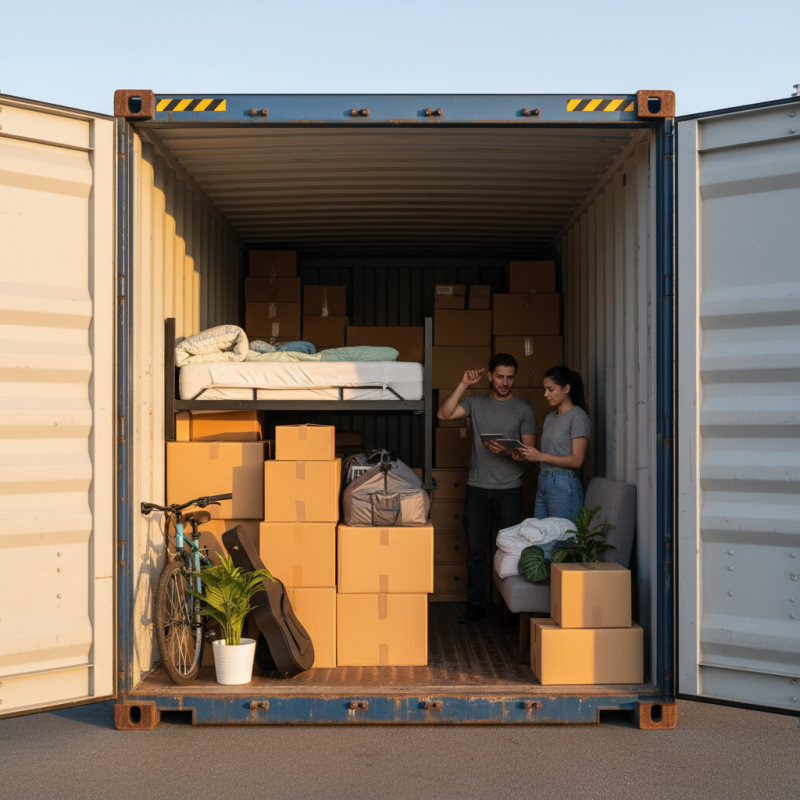
Consider the layout of your 10ft container. Start by categorizing items. Group similar items together to streamline the packing process. Larger pieces of furniture should go in first, ensuring stability. After that, you can fill gaps with smaller items, such as boxes and bags.
However, many find this task daunting. Overpacking can lead to damage. Items may shift during transport, leading to scratches or breaks. It’s essential to reflect on what you truly need to bring. With proper planning, a 10ft container can be a compact yet effective solution for your move.
Understanding the Dimensions and Capacity of a 10ft Shipping Container
When preparing to move with a 10ft shipping container, understanding its dimensions is crucial. The internal space usually measures around 9.5ft long, 7.7ft wide, and 7.9ft high. This gives a total volume of approximately 570 cubic feet. However, it’s easy to overlook how to best utilize this space. Each inch counts, and efficient packing is essential.
Think about the weight distribution, too. Heavier items should go at the bottom. Use sturdy boxes to protect fragile items. Consider utilizing vacuum-sealed bags for clothing and linens to save space. You might be surprised how much you can fit into those small bags. Always remember to fill any gaps with smaller items, like books or kitchen utensils.
A common mistake is not measuring large furniture. Sometimes, it simply won’t fit. Reflect on what to prioritize. Can some items be left behind? Consider donating or selling items that may clutter the space. This reflection can lead to a smoother move and a more organized living space afterward.
Strategically Choosing the Right Moving Supplies and Equipment
When packing a 10ft container, the right moving supplies can make a significant difference. Consider using durable boxes of various sizes. Smaller boxes are easier to stack and carry. Large boxes hold bulk items, but they can be harder to manage. Choosing containers with handles helps, especially for heavier loads.
Using padding materials is often overlooked. Blankets or bubble wrap can protect fragile items. But don't forget about space. Fill gaps with soft items like clothes or towels. This avoids shifting during transport and maximizes space.
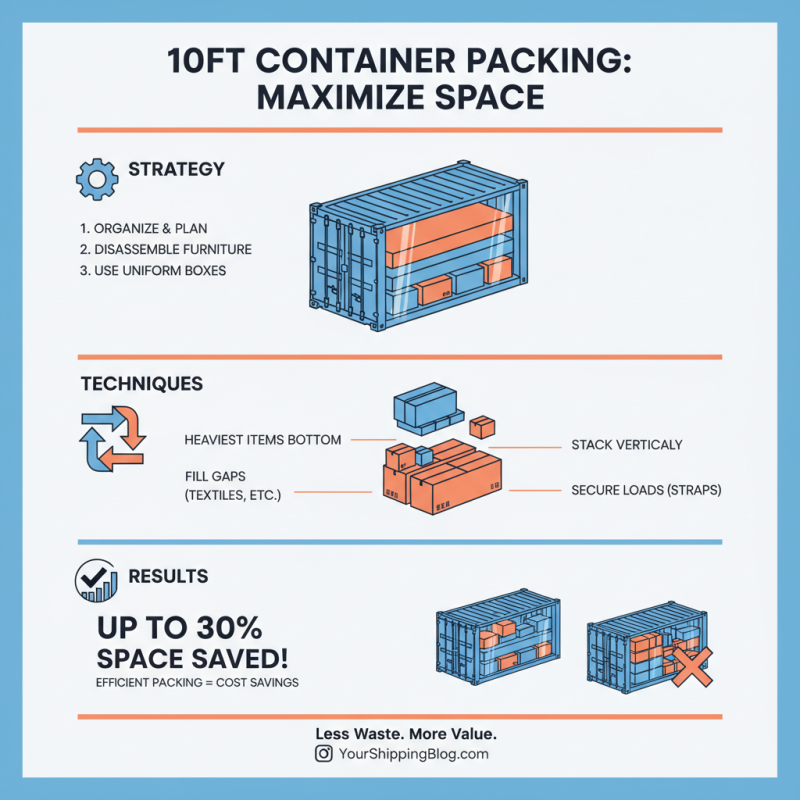
Assessing your packing technique is crucial. It may feel tempting to just stuff items in without a plan. However, measuring dimensions of furniture can help. Consider disassembling larger pieces to make them fit. Painting a mental picture of your container layout can guide better choices. Re-evaluating what to keep and what to leave is important. Each item should have a purpose, enhancing your move.
Implementing a Systematic Loading Process for Optimal Weight Distribution
When packing a 10ft container, weight distribution is crucial. An unbalanced load can lead to inefficient transport, and may even damage goods. Studies show that nearly 45% of cargo damage happens during transit due to improper loading. To avoid such issues, a systematic loading process is essential.
Start by placing heavier items on the bottom. This stabilizes the load and lowers the center of gravity. Next, distribute smaller and lighter boxes around the heavier items. Use voids to fill in gaps, preventing movement during transport. The International Maritime Organization suggests that every kilogram of weight mismanaged can cost up to $3 in lost goods or delayed delivery.
Don't overlook the importance of securing each load with adequate strapping. This extra step often reveals overlooked gaps in packing strategies. Regularly review your loading process. This can highlight areas to improve. One miscalculation can lead to significant delays or damages. Aim for efficiency, but remain aware of setbacks. Reflections on these challenges are necessary for optimizing future relocations.
How to Optimize Space in a 10ft Container for Moving? - Implementing a Systematic Loading Process for Optimal Weight Distribution
| Item Description |
Dimensions (ft) |
Weight (lbs) |
Load Order |
| Sofa |
7 x 3 |
100 |
1 |
| Dining Table |
5 x 3 |
75 |
2 |
| Bed Frame |
6 x 4 |
85 |
3 |
| Refrigerator |
2 x 3 |
150 |
4 |
| Boxes (Clothes) |
2 x 2 |
30 |
5 |
| Chairs |
2 x 2 |
20 |
6 |
Utilizing Vertical Space and Modular Storage Solutions in Containers
When optimizing space in a 10ft container, utilizing vertical space and modular storage solutions is crucial. Research suggests that effective vertical storage can increase capacity utilization by up to 30%. This means that even in confined areas, you can make the most of what you have.
Using stackable containers or shelves can create additional layers. This allows you to store smaller items overhead while keeping larger ones at ground level. Consider using clear plastic bins to categorize items. They are lightweight and help you see what you have without opening everything.
Tips: Use straps to secure items on shelves. This prevents shifting during transport. Always keep heavier items on the bottom. It creates a solid base and maintains balance.
Don't forget about the end walls and corners of your container. Tight-fitting organizers can fit snugly in these areas. However, be cautious not to overload any one section. Uneven weight distribution can lead to damage. Remember, even in limited space, a thoughtful layout can lead to smoother moves.
How to Optimize Space in a 10ft Container for Moving