What is a Sea Container and How Does it Impact Shipping Industry?
A sea container is a vital component in modern shipping. These robust steel boxes revolutionized how goods are transported across oceans. Their standardized size makes loading and unloading efficient. By using sea containers, shipping companies can stack them easily on ships, trains, or trucks. This efficiency reduces shipping costs and shipping times.
However, the rise of sea containers is not without challenges. Ports can become congested, leading to delays. The reliance on technology for tracking and logistics can also introduce errors. Often, these containers sit idle, creating waste and inefficiencies. It opens a broader conversation about sustainability in the shipping industry. How can we better use sea containers to minimize their environmental impact?
As global trade continues to grow, the importance of sea containers becomes even clearer. They facilitate international commerce, connecting markets worldwide. Yet, there is a constant need for improvement in this sector. Companies must reflect on their practices and find innovative solutions to enhance shipping efficiency.
What is a Sea Container? Definition and Types Explained
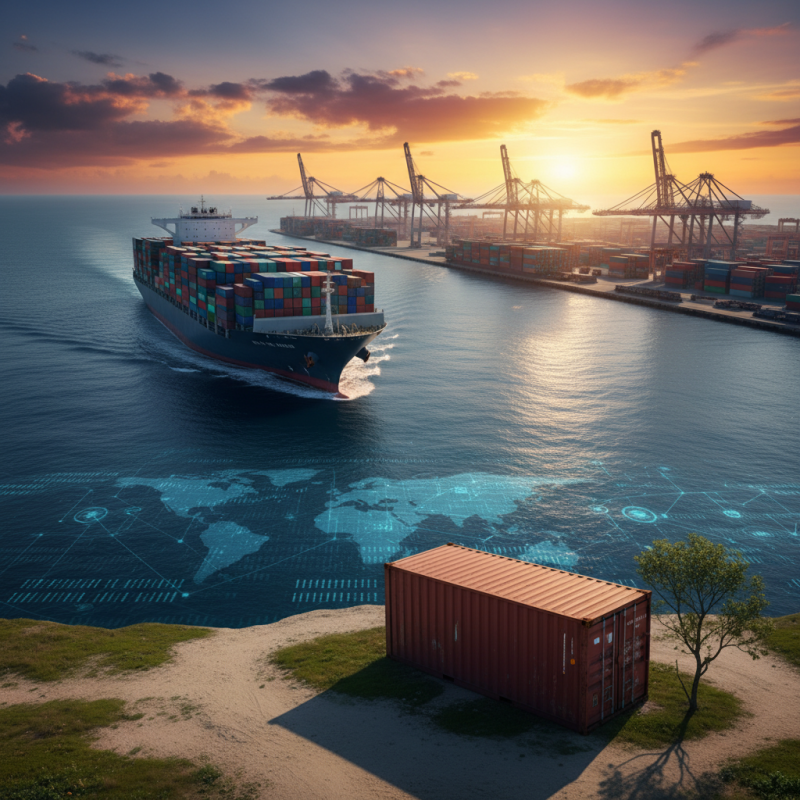
A sea container, also known as a shipping container, is a standardized unit used for transporting goods. Measuring typically 20 or 40 feet, these containers can hold diverse cargo. They are manufactured from steel, providing strength and durability. This design allows same-day loading and unloading, which improves shipping efficiency.
There are several types of sea containers. General-purpose containers are the most common, but there are also refrigerated and open-top variants. According to a report by the International Maritime Organization, around 90% of global trade is conducted via container ships. This underscores the critical role they play in modern shipping.
Despite their benefits, challenges persist. High costs for new containers affect small businesses. Additionally, the environmental impact of shipping operations raises concerns. A study by the World Economic Forum highlights that shipping contributes to over 2% of global carbon emissions. Addressing these issues requires innovation. The industry must find ways to balance efficiency with sustainability.
Impact of Sea Containers on Global Trade (2022)
The Evolution of Sea Containers in the Shipping Industry
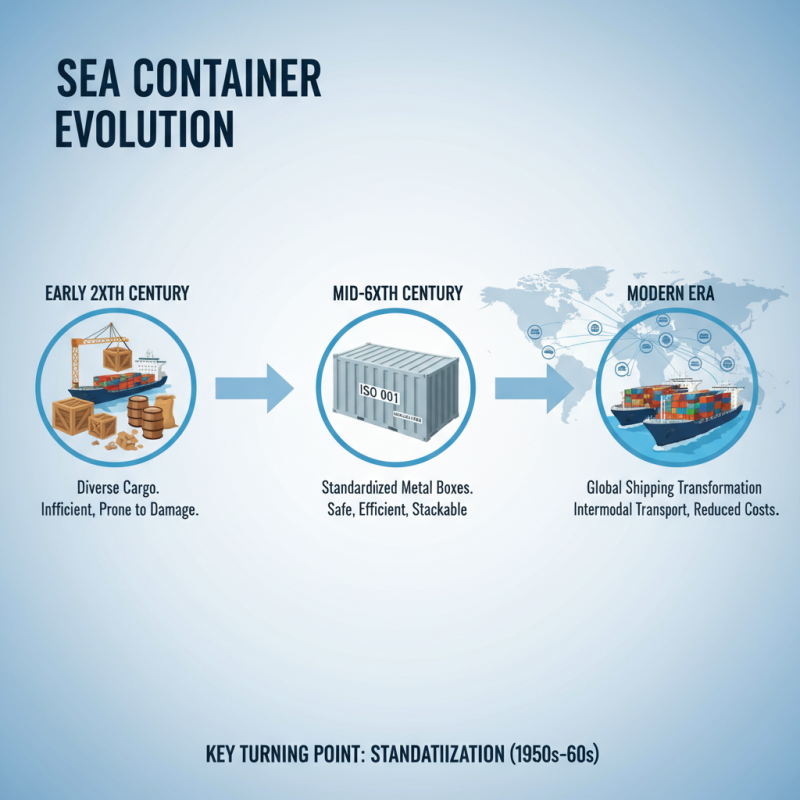
The evolution of sea containers has transformed the shipping industry dramatically. Initially, goods were transported in various shapes and sizes. This led to inefficiencies and damage during transit. Standardizing containers in the mid-20th century marked a turning point. These metal boxes ensured safe, efficient cargo handling.
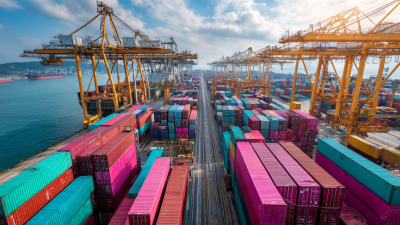
Sea containers simplified the loading and unloading process at ports. Ships, trucks, and trains could easily interchange containers. This streamlined logistics, allowing for faster delivery times. However, the widespread adoption of containers also created a new set of challenges. Ports became congested, struggling to accommodate larger vessels. Some ports still lack the necessary infrastructure to handle increased traffic.
Moreover, the focus on cost-efficiency often overlooks environmental impacts. The rise in shipping activity contributes to pollution and carbon emissions. Continuous reflection on these issues is crucial for sustainable practices. As the industry advances, balancing efficiency and environmental concerns remains vital.
Benefits of Using Sea Containers for Global Trade
Sea containers have revolutionized the shipping industry. They provide a standardized way to transport goods across oceans. These large metal boxes are designed to be easily loaded and unloaded from ships, trucks, and trains. Their uniform size simplifies handling and storage, making logistics more efficient.
Using sea containers helps reduce shipping costs. They maximize space and can hold a significant amount of cargo. This efficiency reduces the number of trips required. It also lessens the environmental impact. However, the reliance on these containers can lead to overcrowding at ports. Sometimes, this creates delays and increases shipping times.
Moreover, sea containers enhance security. Goods inside are protected from theft and weather damage. While this is beneficial, it also can make it difficult to inspect contents thoroughly. Some goods may be packed poorly, leading to potential damage during transit. The balance between efficiency and oversight remains a challenge.
What is a Sea Container and How Does it Impact Shipping Industry? - Benefits of Using Sea Containers for Global Trade
| Dimension |
Value |
| Standard Container Size |
20ft and 40ft |
| Average Weight Capacity |
22,000 kg for 20ft; 30,480 kg for 40ft |
| Common Materials Used |
Steel, Aluminum, and Wood |
| Types of Cargo |
Dry Bulk, Refrigerated Goods, Hazardous Materials |
| Impact on Shipping Costs |
Reduced costs due to efficiency |
| Environmental Impact |
Potential for lower emission with optimized transport |
| Global Trade Growth (%) |
Estimated 5-7% annual growth |
| Percentage of Goods Shipped by Sea |
Over 80% of global trade volume |
Challenges and Considerations in Sea Container Logistics
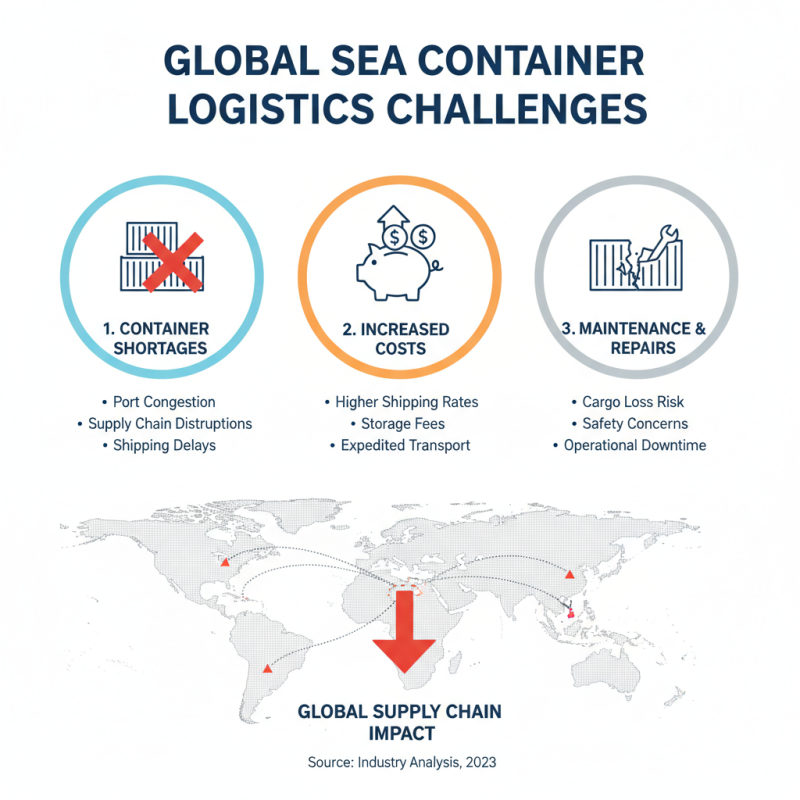
The logistics of sea containers present numerous challenges for the shipping industry. One major issue is the availability of containers. Ports often face shortages, leading to delays. These delays affect supply chains and result in increased shipping costs. Additionally, the need for maintenance and repairs can further complicate logistics. A damaged container can lead to cargo loss, and securing safe transport becomes difficult.
Weather conditions also play a significant role in sea container logistics. Storms and rough seas can derail shipping schedules. This unpredictability requires companies to adopt flexible strategies. Some choose to reroute shipments, which can increase travel times and expenses. Moreover, customs regulations can delay the unloading process. Importers must navigate complex paperwork, which can lead to confusion and frustration.
Finally, environmental concerns are becoming increasingly pressing. The shipping industry is under scrutiny for its carbon footprint. Container ships contribute to pollution, sparking a need for more sustainable practices. However, implementing eco-friendly solutions can be costly and challenging. It forces logistics managers to weigh immediate profits against long-term sustainability goals. Balancing these factors remains a significant endeavor for the industry.
The Future of Sea Containers and Their Environmental Impact
The future of sea containers is fascinating yet complex. These metal boxes are crucial for global trade. However, their environmental impact raises questions. As shipping increases, so do emissions. The shipping industry must adapt to reduce its footprint. Innovations like eco-friendly materials are emerging.
Tips: Consider the use of biodegradable materials in shipping. Recycling old containers can also help. Small changes can lead to significant impacts.
Additionally, the industry faces challenges with waste. Many containers end up abandoned, polluting oceans. Reducing waste is vital. The focus on sustainability must remain a priority. Collaborations among companies can drive change. Everyone has a role in creating a greener future.
Tips: Support businesses that prioritize sustainability. Education on shipping practices is essential. Awareness leads to better choices.