Why You Should Consider Shipping Container Storage Units for Your Needs?
As the demand for flexible storage solutions increases, shipping container storage units stand out. These versatile structures offer a robust option for both personal and commercial needs. Experts in the industry, like John Smith, emphasize their benefits. He once said, “Shipping container storage units provide security and adaptability for all your storage challenges.”
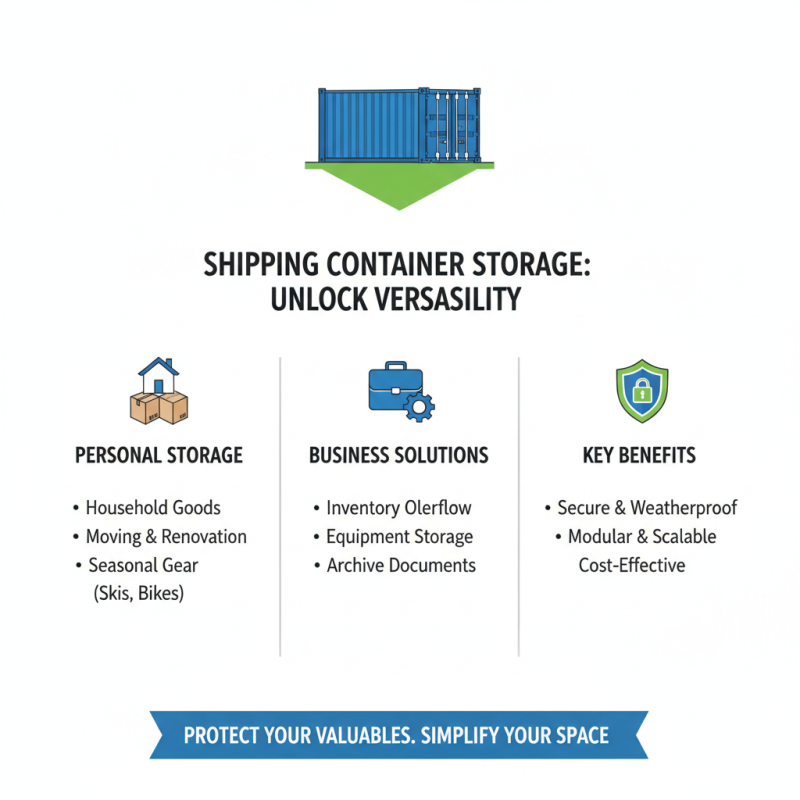
Imagine needing extra space during a home renovation. Shipping container storage units can effortlessly hold your belongings, preventing clutter. They are weather-resistant and secure, making them ideal for different climates. Businesses can use them to store equipment or inventory without permanent investment in real estate.
However, it’s essential to consider local regulations before choosing this option. Some areas may have restrictions on container usage. Reflecting on requirements can help avoid complications. Despite their benefits, shipping container storage units may not suit everyone. Evaluating your specific needs is crucial before committing to this innovative solution.

Benefits of Shipping Container Storage for Various Needs
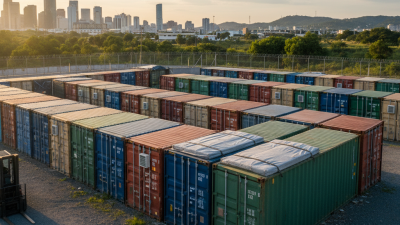
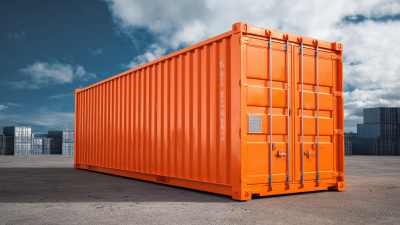
Shipping container storage units have become a popular choice for many. They offer flexibility for various storage needs. These containers are sturdy and weather-resistant. You can store everything from furniture to construction materials securely. With their portable nature, relocating your storage is straightforward and efficient.
Consider using these containers for temporary storage during a move. They can hold your belongings safely while you transition. In construction, they serve as on-site storage for tools and materials. This keeps everything organized and reduces the risk of theft. Homeowners also find them useful for decluttering. You can keep seasonal items in a container and free up space at home.
However, not all containers are perfect. Some may have wear and tear. It's important to inspect them before renting or buying. Delivery of the container space can sometimes take longer than expected. This can be frustrating for those needing immediate storage. Reflecting on these aspects is essential before making a decision.
Versatility of Shipping Container Storage Solutions
Shipping container storage units offer incredible versatility for various needs. These containers can serve as secure storage spaces for personal items, business inventory, or even seasonal gear. Their robust design protects contents from the elements, ensuring belongings remain safe and dry.
One interesting aspect of shipping containers is their adaptability. They can be transformed into workshops, pop-up shops, or even tiny homes with a little creativity. Their modular nature means you can connect multiple units to create larger spaces as needed. However, the initial setup can be challenging. Finding the right location and ensuring it complies with local regulations can require some effort.
Using shipping containers also calls for careful planning. Not all units are in perfect condition and may need repairs. Choosing the right insulation for temperature control can be a concern too. Containers might not always fit standard size requirements, leading to unexpected issues. Embracing the potential challenges can reveal innovative solutions. The process encourages critical thinking and creativity, leading to unique outcomes.
Cost-Effectiveness of Using Shipping Containers for Storage
Shipping container storage units offer a unique blend of convenience and cost savings. They can be found in various sizes, making them suitable for different storage needs. With their robust construction, these containers can withstand harsh weather conditions. Many people find that they can save money by choosing containers over traditional storage units.
Consider the affordable pricing options. Renting a shipping container often costs less than conventional storage facilities. There are no hidden fees, and often, delivery is included. This straightforward pricing model makes budgeting easier. The initial investment may seem significant, but it pays off in the long run. You also avoid monthly costs that can rack up quickly.
Yet, it’s essential to reflect on the handling of these containers. They require a flat surface for placement, which might not always be available. Maintenance is another concern; while they are durable, weather exposure can still lead to rust. Environmental factors should be considered, as this may affect your choice. Ultimately, shipping containers can be a wise decision for cost-effective storage, but weigh the pros and cons carefully before investing.
Security Features of Shipping Container Storage Units
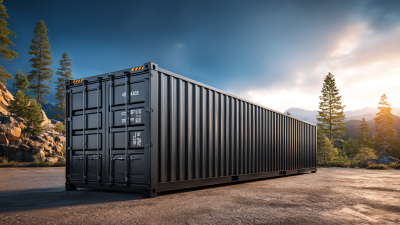
Shipping container storage units are gaining popularity for their robust security features. These containers are built from heavy-duty steel, making them highly resistant to theft and damage. Many units also come equipped with locking mechanisms that are harder to compromise. Basic locks may work, but for serious security, padlocks with higher ratings are better options.
In addition to physical durability, some container facilities offer advanced security measures. This includes surveillance cameras and onsite personnel. Regular monitoring helps in deterring potential intruders. However, not all storage sites invest in comprehensive security. It’s essential to evaluate different locations before committing.
Another aspect to consider is how the local environment impacts security. In some areas, containers left unattended may draw unwanted attention. Even if the unit is secure, its location matters. Choosing options in well-lit, populated zones can enhance safety. Ensure you weigh these details for optimal protection.
Environmental Impact and Sustainability of Shipping Container Use
Shipping container storage units offer a practical solution for many needs. Their use represents a sustainable choice due to their inherent reusability. These containers often serve a second life instead of heading to landfills. They are sturdy, weather-resistant, and can be repurposed with minimal effort. However, there are overlooked aspects to consider regarding their environmental impact.
While containers can be environmentally friendly, not all practices are. Some containers may have rust, which can release harmful materials. Additionally, improper insulation may lead to energy inefficiency. Without proper maintenance, these units can contribute to environmental degradation rather than mitigate it. Some people also overlook the importance of sourcing containers responsibly, as poorly produced units can negate their benefits.
Using shipping containers for storage can help reduce waste. However, we must reflect on how they are manufactured and transported. The carbon footprint associated with transporting containers is significant and often ignored. It’s essential to balance convenience with sustainability. Engaging in discussions about the lifecycle of these containers aids in making informed decisions.
Environmental Impact of Shipping Container Storage Units
This bar chart compares the environmental impact of shipping container storage units against traditional storage units across several metrics, including carbon footprint, energy consumption, waste generation, and water usage. Shipping container storage units exhibit lower values in all categories, highlighting their potential sustainability and reduced environmental footprint.