Ultimate Tips for Choosing the Right 40ft Container for Your Shipping Needs
In the world of shipping and logistics, choosing the right container is crucial for ensuring the safe and efficient transport of goods. Among the various sizes available, the 40ft container remains the most popular choice for businesses due to its versatile capacity, accommodating both large and small shipments. According to the Journal of Shipping and Logistics, the demand for 40ft containers has increased by 15% in the past year, reflecting their significance in international trade.
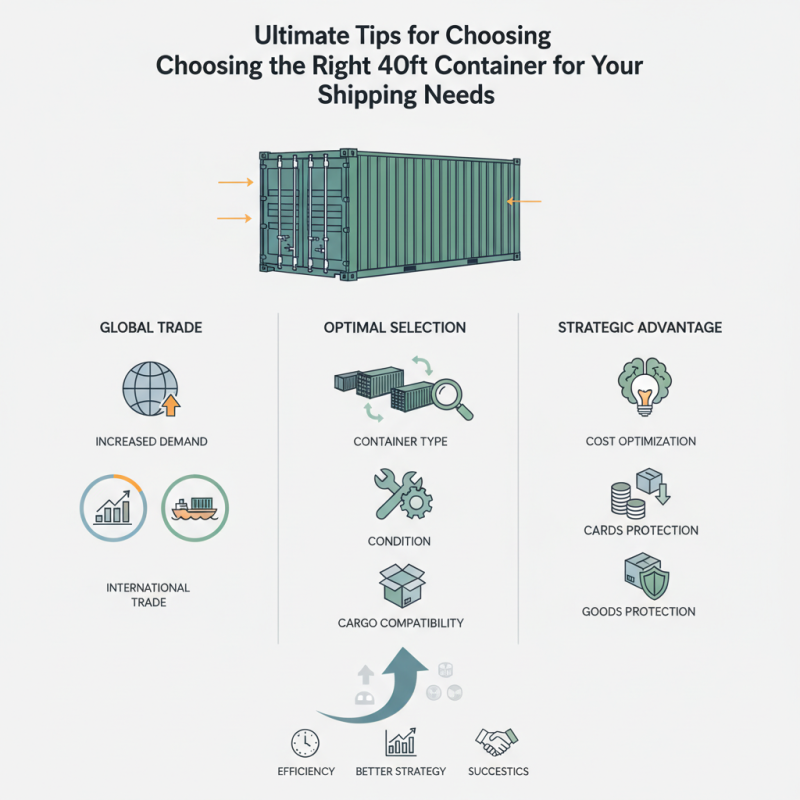
Industry experts emphasize the importance of selecting the appropriate 40ft container based on specific shipping needs. Dr. Michael Anderson, a renowned expert in container logistics, states, "The right container not only optimizes shipping costs but also enhances the protection of goods during transit." His insights highlight the necessity of understanding various factors, such as container type, condition, and cargo compatibility, to make informed decisions.
With the growth of global trade and shifts in shipping patterns, equipping oneself with the right knowledge about 40ft containers can lead to significant operational efficiencies. This guide aims to provide ultimate tips for choosing the right 40ft container, empowering businesses to enhance their shipping strategies effectively.
Understanding Different Types of 40ft Shipping Containers Available
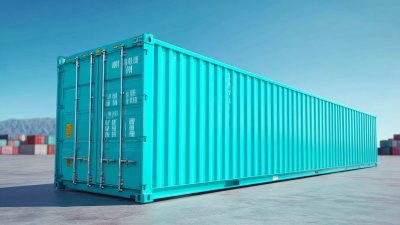
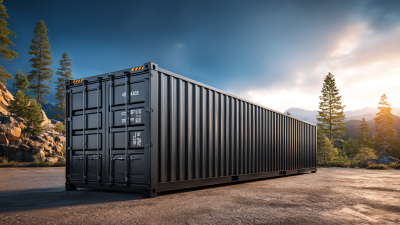
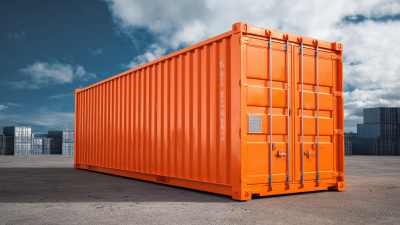
When considering a 40ft shipping container for your logistics needs, it's essential to understand the various types available on the market. The most common types include standard dry containers, high cube containers, refrigerated containers, and open-top containers. Standard dry containers are the most versatile option, featuring a fully enclosed design suitable for a plethora of goods. High cube containers offer an additional foot in height, providing extra space for bulky items, making them ideal for businesses that frequently transport large volumes.
For products requiring temperature control, refrigerated containers, or reefers, are indispensable. These units come with built-in cooling systems to maintain precise temperature ranges, ensuring perishable goods remain fresh throughout the shipping process. Additionally, open-top containers are designed for oversized cargo that cannot fit through standard container doors. They come with a removable tarpaulin roof, providing easy access for loading and unloading tall or heavy items. Understanding these different types can significantly impact your shipping efficiency and the safety of your cargo.
Understanding Different Types of 40ft Shipping Containers
Key Factors to Consider When Choosing a 40ft Shipping Container
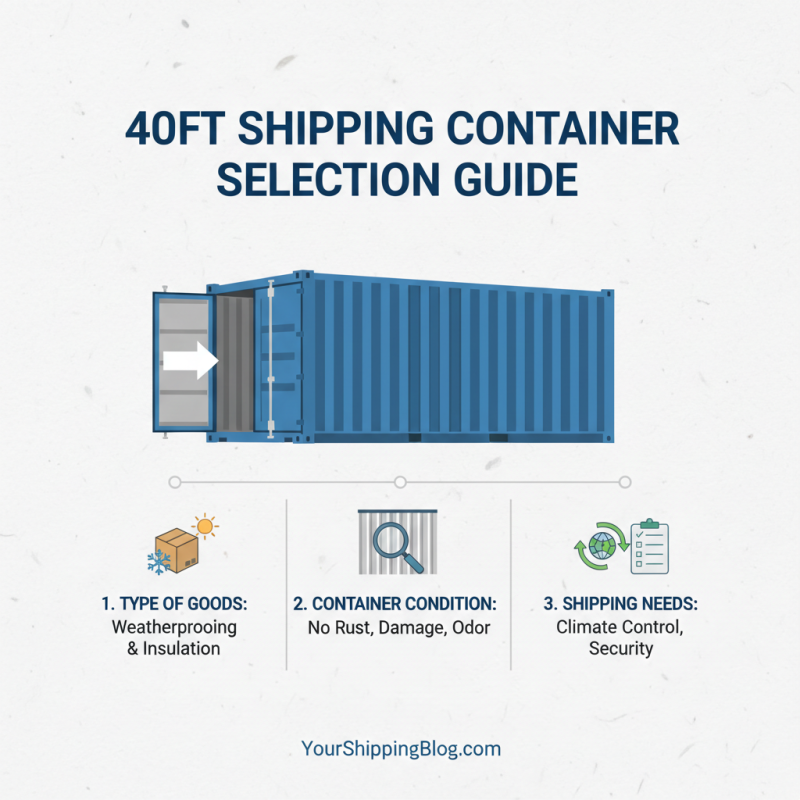
When selecting a 40ft shipping container, several key factors come into play to ensure that it meets your specific shipping needs. First and foremost, consider the type of goods you plan to transport. Different containers offer various levels of protection, including weatherproofing and insulation. For valuable or sensitive items, a container with better climate control features may be necessary. Additionally, the interior condition of the container is crucial; it should be free from rust, structural damage, and any strong odors that could compromise the contents.
Another important aspect to weigh is the container's structural integrity. The build quality can vastly affect how well the container withstands the rigors of transport and storage. Inspection for any signs of wear or damage, such as dents, leaks, or compromised doors, can save you from future headaches. It's also wise to consider your logistical requirements, including how the container will be loaded and unloaded. Make sure to evaluate accessibility and the support of handling equipment, as these factors can influence the efficiency of your supply chain. By carefully assessing these considerations, you can choose a 40ft container that effectively fulfills your shipping demands.
Assessing Your Cargo and Volume Requirements for Optimal Selection
When selecting a 40ft container for your shipping needs, it is crucial to thoroughly assess your cargo and volume requirements. The dimensions of a standard 40ft container are approximately 40 feet long, 8 feet wide, and 8.5 feet high, providing a volume of roughly 2,390 cubic feet. According to industry data, approximately 60% of global container shipments utilize 20ft and 40ft containers, reflecting their popularity due to their efficient capacity and cost-effectiveness. Understanding the specific volume of your cargo is essential; for instance, if you're managing dense goods, such as machinery, you may require as little as 60% of the container's space, whereas lighter, bulkier items might necessitate greater utilization of the full volume.
Furthermore, it is important to consider the weight limitations of a 40ft container. Most standard containers have a maximum gross weight limit ranging from 52,910 to 67,200 pounds, depending on the container type. It is imperative to calculate the total weight of your shipment, including packaging, to ensure compliance with these restrictions. Failing to do so could result in additional costs and complications during transport. The decision between a standard high cube or a flat rack container will also hinge on your cargo type; high cube containers offer an additional foot of height, accommodating taller items while flat racks cater to oversized equipment that may not fit within standard dimensions. Therefore, a comprehensive analysis of both volume and weight considerations is pivotal to making the optimal choice for your shipping needs.
Evaluating Container Condition: New vs. Used Shipping Containers
When evaluating shipping containers for your needs, one of the key decisions is choosing between new and used containers. According to a report by Allied Market Research, the global shipping container market was valued at approximately $8.1 billion in 2020 and is projected to grow, highlighting the growing demand for efficient shipping solutions. New containers typically offer the assurance of pristine condition, being free from rust and damage, which can be crucial for sensitive cargo. Additionally, these containers come with warranties that provide further peace of mind for logistics professionals.
On the other hand, used containers present a viable alternative, often at a significantly lower price point. A thorough inspection of used containers can reveal their suitability for various shipping purposes. The Container Owners Association estimates that around 55% of containers in circulation are used, emphasizing their role in the supply chain. When evaluating used containers, consider factors such as structural integrity, corrosion levels, and previous usage history. Reports show that well-maintained used containers can last for many years, making them a cost-effective choice for businesses looking to optimize their shipping operations without compromising on quality.
Cost Considerations and Budgeting for Your 40ft Container Purchase
When considering the purchase of a 40ft container for your shipping needs,
budgeting is a crucial step that can significantly affect your overall costs.
The price of containers can vary widely based on several factors, including condition (new or used), type (standard, high-cube, refrigerated), and market demand.
It’s essential to establish a clear budget that encompasses not just the purchase price but also additional costs such as transportation, modifications, and maintenance.
A detailed financial plan will help you avoid overspending and ensure that you get the best value for your investment.
Tip: Always conduct thorough research on the prevailing market prices for 40ft containers to accurately assess your budget.
Comparing quotes from multiple suppliers can also provide insights into the best deals available.
Additionally, consider negotiating prices, especially if you're purchasing in bulk or planning long-term use.
Moreover, don’t forget to factor in potential additional expenses. For instance, if you require modifications to the container,
like insulation or shelving, these upgrades can incur substantial costs.
Another key consideration is transportation; understanding the logistics involved in delivering your container to its final location will help you
avoid any unforeseen charges.
Tip: Plan for contingencies by allocating a portion of your budget for unexpected costs.
This flexibility will allow you to adapt should your needs change or if additional features become necessary.
By being thorough in your budgeting process, you'll ensure a smooth acquisition of your 40ft container.