2026 Top Benefits of Using Shipping Container Shed for Your Storage Needs?
In recent years, the demand for versatile storage solutions has surged. The shipping container shed has emerged as a popular choice among businesses and homeowners. According to a report by MarketsandMarkets, the global temporary storage market is projected to reach $50 billion by 2025. This growth reflects the increasing need for flexible and secure storage options.
Shipping container sheds offer numerous benefits. They are durable, weather-resistant, and designed to last for decades. Unlike traditional sheds, they can be customized to fit various storage needs. Moreover, their portability allows users to relocate them easily if required. Research shows that over 70% of users report satisfaction with their container sheds, citing its efficiency and cost-effectiveness.
However, it’s essential to consider the drawbacks as well. Zoning laws may restrict container placements in certain areas. Additional modifications could be needed for insulation or ventilation. Understanding these aspects is critical before investing in a shipping container shed. Choosing wisely can lead to significant long-term advantages and provide a reliable solution for your storage needs.
Benefits of Structural Durability: Shipping Containers as Storage Solutions
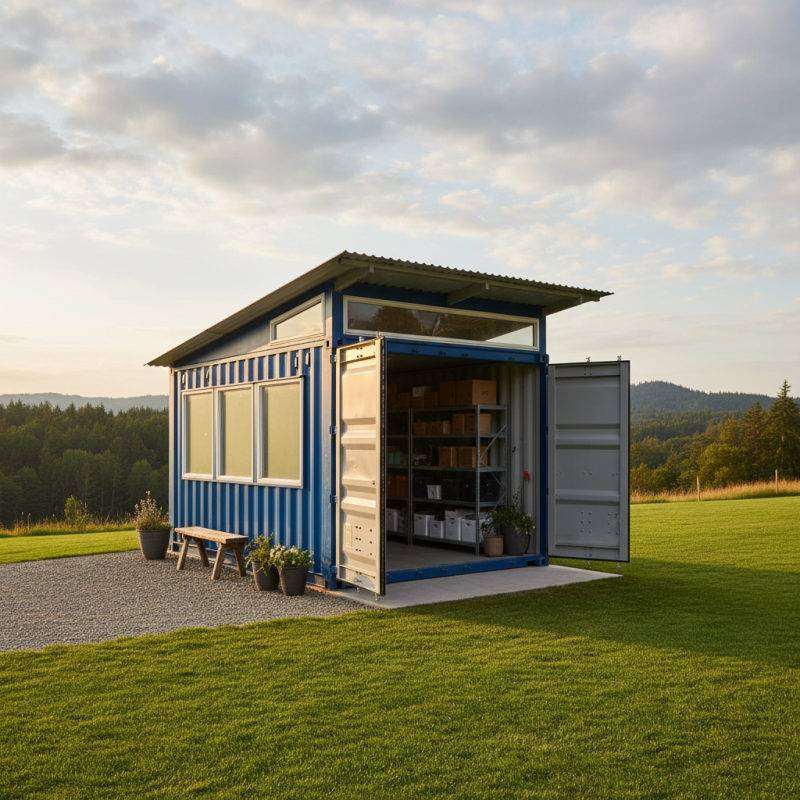
Shipping container sheds offer remarkable structural durability. They withstand harsh weather and are resistant to pests. Research by the National Institute of Standards and Technology shows that steel containers can endure heavy loads and extreme winds. This makes them ideal for storage in various environments.
When considering a shipping container for storage, it’s essential to evaluate the condition of the container. Not all containers are created equal; some may show signs of wear that can compromise their integrity. Look for containers that have minimal rust and no structural deformities.
Tip: Choose containers with reinforced corners for added strength. Check inspection reports before purchasing to ensure durability. Additionally, keep in mind that proper ventilation is crucial to avoid moisture buildup. This ensures your items remain in optimal condition over time.
2026 Top Benefits of Using Shipping Container Shed for Your Storage Needs
This bar chart represents the top benefits of using shipping container sheds for storage needs, rated on a scale of 0 to 100. Structural durability and security are highlighted as the most significant advantages, while sustainability and portability are also key considerations.
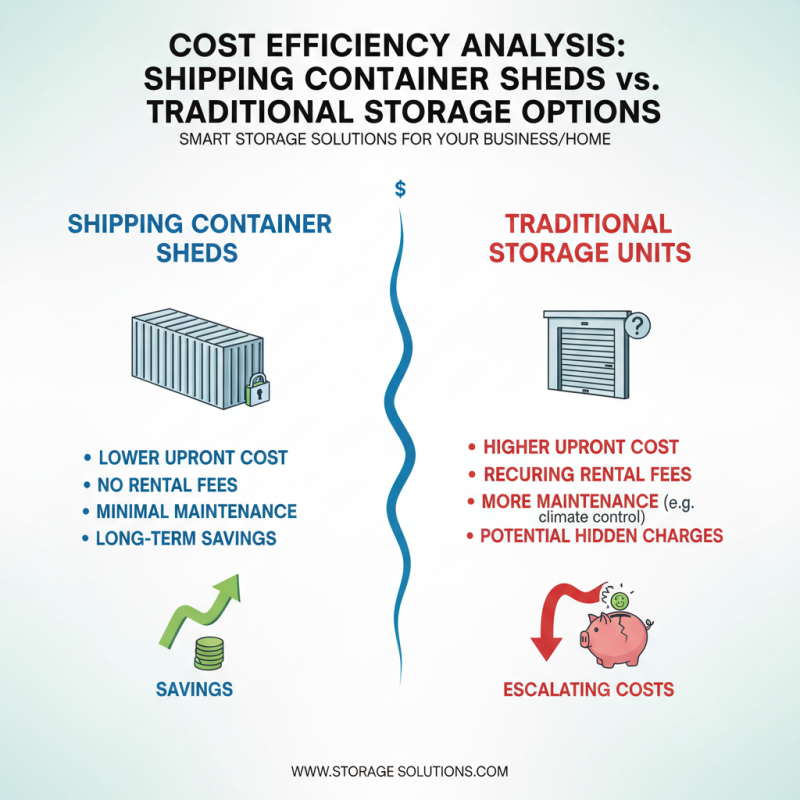
Cost Efficiency Analysis: Shipping Container Sheds vs Traditional Storage Options
Shipping container sheds have gained popularity for their cost efficiency when compared to traditional storage options. These units often have lower upfront costs than standard storage facilities. A shipping container shed can provide a robust solution without the burden of high rental fees. Moreover, they require minimal maintenance, adding to long-term savings. Traditional storage units often come with hidden charges, which can escalate costs unexpectedly.
When considering a container shed, assess its location. If situated on your property, you may save transport costs and have easy access. Ensure proper insulation if you're storing sensitive items. This prevents potential damage from humidity.
Tip: Always measure your storage needs before purchase. This will help avoid the mistake of overbuying or underutilizing space. Be mindful of zoning laws in your area, as these can impact where you place your container. Quality matters too; investing in a well-constructed shed may save money on repairs over time.
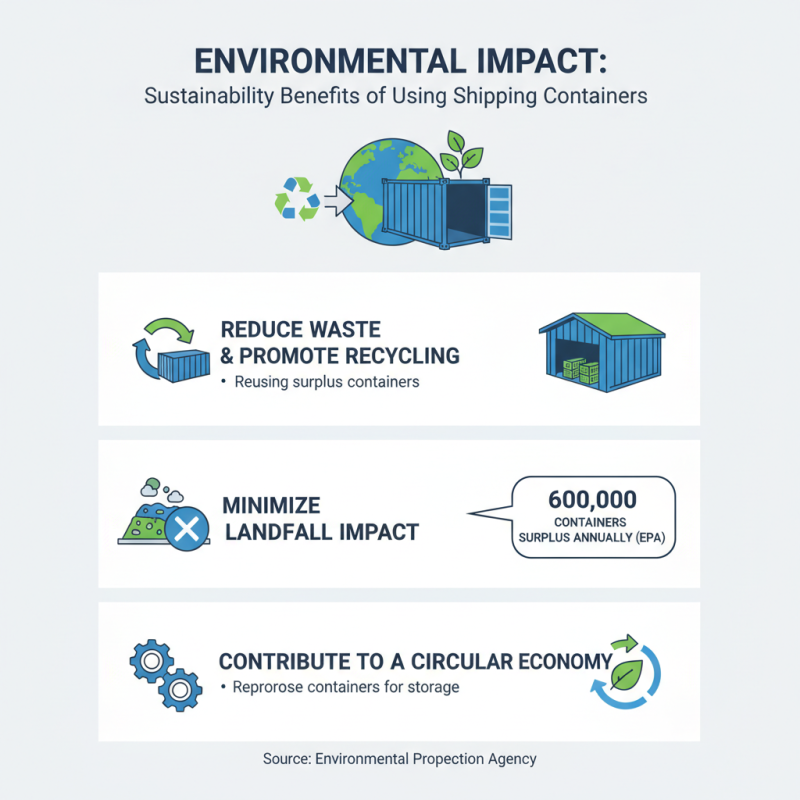
Environmental Impact: Sustainability Benefits of Using Shipping Containers
Shipping container sheds offer significant sustainability benefits. The reuse of containers reduces waste and promotes recycling. According to the Environmental Protection Agency, around 600,000 shipping containers become surplus annually. Repurposing these containers for storage minimizes landfill impact and contributes to a circular economy.
Containers are built from durable steel, which makes them long-lasting. They can withstand harsh weather and do not require harmful treatments like traditional wooden sheds. This durability translates into reduced resource consumption and lower carbon emissions. In fact, studies show that using a shipping container can cut greenhouse gas emissions by up to 30% compared to conventional building methods.
However, there are considerations to address. While containers are sturdy, insulation and ventilation are often overlooked. Proper modifications are crucial to ensure energy efficiency. Additionally, some containers may have prior industrial use, leading to potential contamination. It's essential to inspect a container's history before using it for storage. Emphasizing thorough checks can enhance safety and sustainability.
Versatility in Design: Customization Options for Shipping Container Sheds
Shipping container sheds offer a unique solution for diverse storage needs. Their versatility in design makes them an excellent choice for customization. Owners can adapt these sheds to fit various personal styles or requirements. Whether you need extra space for gardening tools, an art studio, or a workshop, these containers can be transformed accordingly. The possibilities are quite expansive.
Customization options abound. You can choose doors, windows, and even insulation based on your needs. Some prefer vibrant colors, while others opt for a minimalist aesthetic. However, this level of customization can lead to decision fatigue. Choosing the right features can feel overwhelming. It’s essential to start with a clear vision and plan for how the container will be used. A poorly thought-out design may fall short of your expectations.
Eco-friendliness is another attractive aspect. By repurposing containers, you contribute to sustainability. Nonetheless, it’s important to ensure that the containers are in good condition. Check for rust or damages before purchasing. Customizing can enhance functionality, but improper installation could lead to leaks or structural issues. Balancing aesthetics and practicality is crucial in achieving an effective storage solution.
Accessibility and Mobility: Key Advantages of Shipping Container Storage Solutions
Shipping container sheds offer unique advantages for storage solutions, particularly in terms of accessibility and mobility. These structures can be easily transported to different locations, allowing you to reposition them as needed. This feature is especially valuable for businesses that require adaptability in their storage solutions. Instead of being tied to a single site, you can move your container shed closer to your workspace or project site, improving efficiency.
Additionally, shipping containers can be situated in hard-to-reach areas. They can be placed on sloped land or in confined spaces that traditional sheds cannot accommodate. This flexibility is crucial for maximizing storage potential, especially in urban settings where space is limited. By leveraging this form of storage, you enhance your operations and maintain a streamlined workflow.
While the mobility of shipping container sheds is an attractive feature, it’s essential to consider the logistics involved. Transporting these containers might require specialized equipment or permits, depending on your location. There can also be challenges in ensuring adequate foundation and security measures, leading to potential frustrations. Still, the trade-offs often favor the long-term benefits of using these portable storage solutions, offering both convenience and versatility.