2026 Top Uses for Second Hand Shipping Containers What You Need to Know?
In recent years, the demand for second hand shipping containers has surged. These versatile structures are finding new life beyond their original purpose. As industry expert Dr. Emily Hartman states, “Second hand shipping containers are not just boxes; they are opportunities waiting to be transformed.”
Companies and individuals alike are repurposing these containers into homes, offices, and even pop-up shops. Imagine a cozy café built from a modified shipping container in your neighborhood. It's not just creative; it's sustainable. However, there are challenges. Ensuring structural integrity and insulate properly can be tricky.
Many overlook the importance of proper maintenance and modifications. It’s crucial to consider local building codes and zoning regulations. A shipping container can be a fantastic investment or a costly mistake. Reflecting on these aspects can lead to more successful projects and innovative solutions. Exploring the potential of second hand shipping containers opens up a world of creativity, but it requires careful planning and execution.

The Rise of Second Hand Shipping Containers in 2026
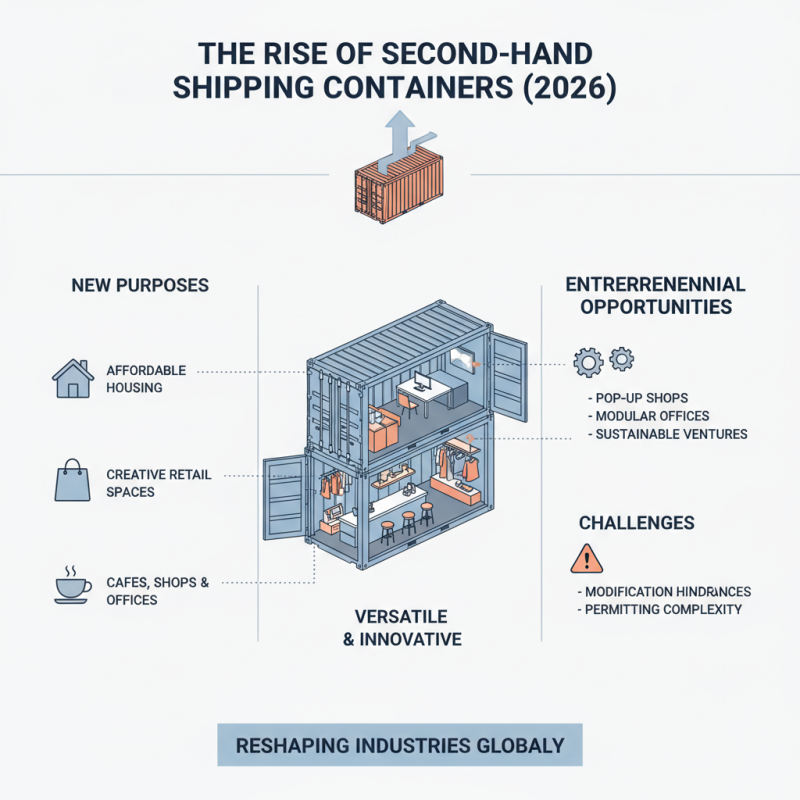
The rise of second-hand shipping containers is reshaping various industries in 2026. These containers, once primarily used for transport, are now embraced for diverse purposes. From affordable housing solutions to creative retail spaces, their potential seems limitless. Many entrepreneurs see opportunities in these containers, turning them into cafes, pop-up shops, or even offices. However, using them isn't without challenges.
Buying second-hand containers often comes with hidden issues. Rust and structural integrity can pose problems. It's important to inspect each unit thoroughly. Some may require modifications to make them livable or suitable for business. Additionally, zoning regulations can complicate their use. Local laws might restrict where these containers can be placed. Adapting them without proper guidance can lead to unintended consequences.
Despite the hurdles, the popularity of second-hand shipping containers continues to grow. Innovators are brainstorming new uses every day. They provide an affordable way to create functional spaces. But prospective users must approach this trend with caution and a willingness to learn. Balancing creativity with practicality is key.
Benefits of Using Second Hand Shipping Containers
Second hand shipping containers are gaining popularity in various industries. They are often used for innovative solutions such as modular homes, pop-up shops, and storage units. According to a report by MarketsandMarkets, the global market for shipping containers is projected to reach $9.1 billion by 2026. This growth is driven by the increasing demand for sustainable construction options.
Using second hand shipping containers offers numerous benefits. They are cost-effective alternatives compared to traditional building materials. A typical shipping container costs 30-50% less than a conventional structure. They are durable and can withstand harsh weather conditions, which is vital for both residential and commercial use. Additionally, these containers come with a high level of customization potential, making them adaptable for different purposes.
However, there are challenges that users should consider. Not all containers are in good condition, and thorough inspections are necessary. Some may have wear and tear, affecting their longevity. Moreover, local zoning laws can create obstacles. It’s crucial to check regulations before proceeding with a project. Despite these concerns, the benefits often outweigh the drawbacks, presenting an exciting opportunity for creative and eco-friendly solutions.
2026 Top Uses for Second Hand Shipping Containers
| Use Case |
Description |
Benefits |
| Storage Solutions |
Utilizing containers for storage, whether for personal or commercial needs, provides a secure and weatherproof option. |
Cost-effective, durable, and flexible usage options. |
| Mobile Offices |
Shipping containers can be converted into functional office spaces for construction sites or remote locations. |
Quick setup, mobility, and customizability. |
| Pop-Up Shops |
Containers can be transformed into retail spaces for businesses looking to operate at events or in urban areas. |
Low overhead costs, mobile, and appealing aesthetic. |
| Homes and Tiny Houses |
Shipping containers are often used as the base for modern housing solutions. |
Sustainable living option, unique design, and often more affordable. |
| Gardens and Greenhouses |
Containers can be repurposed to create garden beds or greenhouses with proper ventilation. |
Recycles materials, customizable, and good for urban agriculture. |
Popular Applications for Second Hand Shipping Containers
Second hand shipping containers have become popular for various applications. They are durable, weather-resistant, and versatile. Many people use them as portable storage units. These containers can hold tools, equipment, or even unused furniture. Their rugged design ensures that belongings remain safe.
Another exciting application is transforming them into living spaces. With a bit of creativity, they can become cozy homes or vacation rentals. Some individuals find it challenging to insulate and furnish these spaces. However, the results can be stunning when done right. Adding windows and doors enhances natural light and airflow.
Businesses also find these containers useful. They can be turned into pop-up shops or food stalls. This application offers unique branding opportunities. Yet, there are challenges in ensuring proper ventilation and compliance with local regulations. Not everyone knows how to navigate these issues. Despite these hurdles, the demand for second hand shipping containers continues to grow.
Cost Considerations When Purchasing Second Hand Shipping Containers
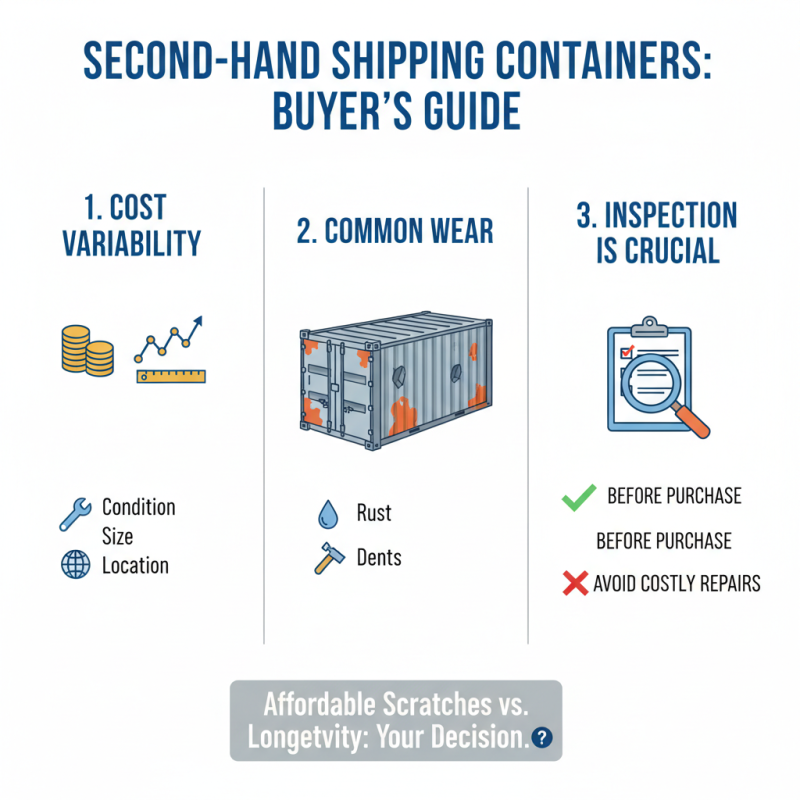
When considering second-hand shipping containers, cost is a primary factor. Prices can vary significantly depending on condition, size, and location. Some containers may have signs of wear, like rust or dents. Inspecting them before purchase is crucial to avoid costly repairs later. A container with a few scratches may be more affordable, but will it last?
Shipping costs add another layer of expense. Transporting a container can be pricey, especially for long distances. Buyers must factor this into their budgets. Additionally, modifications can increase overall costs. If you plan to convert the container into a home or office, be ready for renovation expenses.
Finally, keep in mind the potential for hidden costs. It's hard to predict maintenance needs. Older containers might require more upkeep over time. Therefore, it's wise to set aside a budget for unexpected expenses after your purchase. Planning ahead can save you headaches in the long run.
Tips for Customizing and Repurposing Shipping Containers
Shipping containers have become a popular choice for innovative spaces. Their versatility allows for numerous repurposing ideas. According to the Containerization International, 6 million shipping containers are currently in use globally. Yet, many end up unused. Repurposing them can help reduce waste and create unique spaces.
Customizing a shipping container begins with understanding its structure. Adding windows can transform a dark space into a bright one. Insulation is essential for comfort and energy efficiency. The use of sustainable materials can enhance the overall aesthetics while being eco-friendly.
**Tips for Customizing:**
1. Start with a solid foundation. Ensure the container is on level ground.
2. Consider ventilation. Install vents or fans to improve airflow.
3. Use bright colors for the exterior. It can make your container stand out.
Reflect on potential challenges. Restructuring can be costly, and permits may be needed. Each design choice impacts durability. Balancing creativity with practicality is crucial for long-lasting results. The journey of customizing a shipping container might not be straightforward, but the potential rewards are significant.
2026 Top Uses for Second Hand Shipping Containers