2026 How to Use Shipping Containers for Sustainable Living?
The rising trend of sustainable living has led to innovative solutions worldwide. Shipping containers are at the forefront of this movement. In 2021, the global shipping container market was valued at approximately $9.6 billion, highlighting their prevalence and versatility. Utilizing these containers for housing presents an eco-friendly alternative to traditional construction.
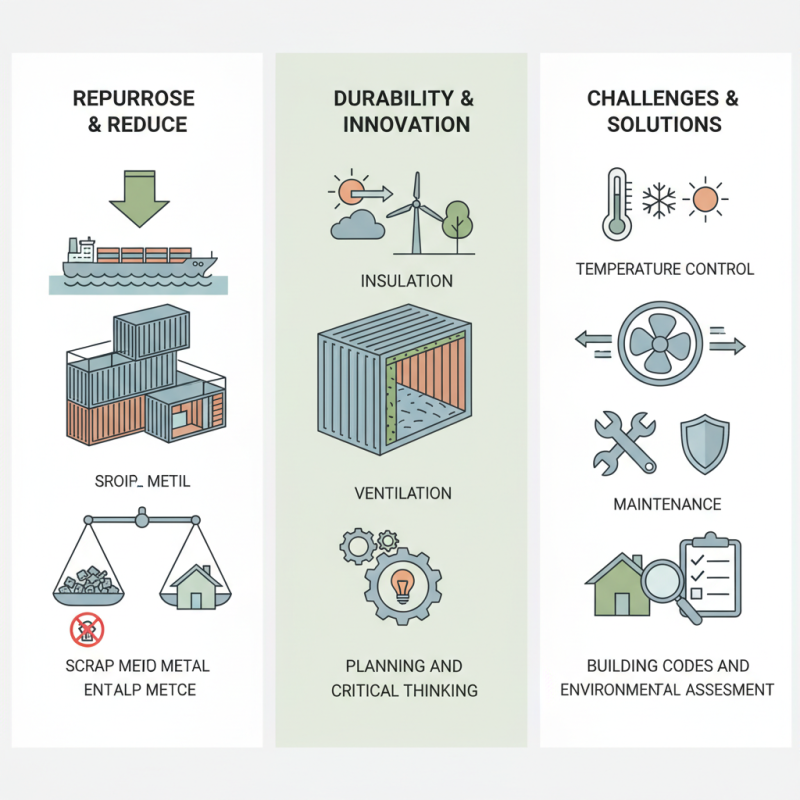
Constructed from high-quality steel, shipping containers are durable and resilient. They support a reduction in waste by repurposing materials that would otherwise end up in landfills. Notably, one 40-foot shipping container can save about 3,000 pounds of steel from disposal. However, while shipping containers are appealing, challenges exist. Insulation, ventilation, and long-term durability are critical considerations in transforming containers into livable spaces.
Many successful projects exist, but each requires careful planning and reflection. Potential homeowners must assess local building codes and environmental impacts. Considering the investment, reflecting on both benefits and drawbacks ensures a sustainable choice. Shipping containers offer a glimpse into a more sustainable future, but thoughtful execution is necessary for genuine success.
Understanding Shipping Containers as Sustainable Living Solutions
As more people seek sustainable living options, shipping containers emerge as a viable solution. The global shipping industry generates hundreds of thousands of unused containers each year. According to the World Shipping Council, about 300 million containers are in circulation. Many end up as waste, creating a need for innovative reuse.
Shipping containers can be transformed into homes, offices, or recreational spaces. These structures are durable, mobile, and cost-effective. A study by the Container Housing Initiatives suggests that container homes can be built for 30% less than traditional construction. They provide excellent insulation and are easy to customize. However, it’s essential to address potential environmental concerns, like shipping container chemical residues.
**Tips:** Consider eco-friendly insulation materials. Look into off-grid options for energy and water supply. Assess local zoning regulations before starting your project. Reflect on whether container living suits your lifestyle, as it may require space management and minimalist habits. Be aware of ventilation needs to prevent moisture buildup. Sustainable living is not only about the materials used but also how we adapt our lives.
2026 How to Use Shipping Containers for Sustainable Living? - Understanding Shipping Containers as Sustainable Living Solutions
| Sustainable Living Solution |
Description |
Environmental Impact |
| Eco-Friendly Housing |
Utilizing shipping containers to create durable, affordable, and energy-efficient homes. |
Reduces waste by repurposing containers and lowering the carbon footprint. |
| Urban Farming |
Transforming containers into greenhouses for growing vegetables and herbs in urban settings. |
Promotes local food production, reduces transportation emissions, and improves food security. |
| Mobile Offices |
Using containers as eco-friendly temporary or permanent office spaces. |
Minimizes land use and construction waste; easy to relocate as needed. |
| Art Installations |
Utilizing containers for creative installations that engage communities and promote sustainability awareness. |
Encourages recycling and creative reuse, enhancing community spaces. |
Evaluating the Environmental Benefits of Shipping Container Homes
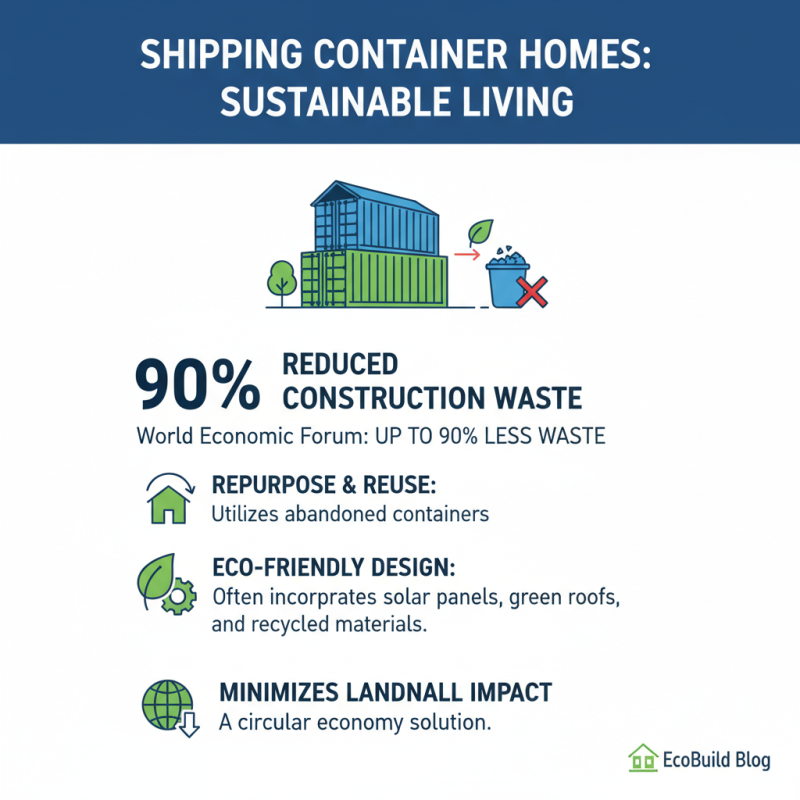
Shipping container homes are gaining traction as a sustainable living solution. According to the World Economic Forum, these homes can reduce construction waste by up to 90%. This significant reduction stems from reusing containers that might otherwise be abandoned. Not only do they minimize landfill impact, but they also often incorporate eco-friendly designs.
Additionally, shipping containers have excellent insulation properties. Proper insulation can reduce energy consumption by up to 50% compared to traditional homes, as noted in a Green Building Council report. While this sounds promising, challenges remain. Container homes can suffer from condensation issues if not properly ventilated. This requires thoughtful design decisions to ensure air quality and comfort.
Implementing renewable energy sources is common in container homes, like solar panels. Sustainable choices like these reduce reliance on fossil fuels. However, financial constraints and zoning laws can limit accessibility. Therefore, while shipping container homes offer a compelling pathway to eco-friendly living, further awareness and support are essential for broader acceptance.
Designing Functional and Aesthetic Spaces in Shipping Containers
Shipping containers are becoming increasingly popular for sustainable living. They offer a unique way to design functional and aesthetic spaces. A report by the United Nations indicates that sustainable architecture can reduce the environmental impact of buildings by up to 75%. Shipping containers can be repurposed into stunning homes, offices, or community spaces.
Creating a cozy space in a shipping container requires thoughtful design. Large windows can flood the interior with natural light. Combining modern insulation techniques with minimalist furniture creates a welcoming atmosphere. Use recycled materials for flooring and accents. The challenge lies in ensuring good ventilation. This often gets overlooked but is vital for comfort.
Tips: Choose bright colors to open up small spaces. Incorporate greenery to enhance air quality and aesthetics. It’s essential to consider layout early. A poorly planned layout can lead to cramped areas, making the space feel smaller. Design plays a critical role in functionality. Think about how you want to use the space, and plan accordingly. Experiment with modular furniture to maximize usability, but be wary of clutter.
Implementing Off-Grid Living Solutions with Shipping Containers
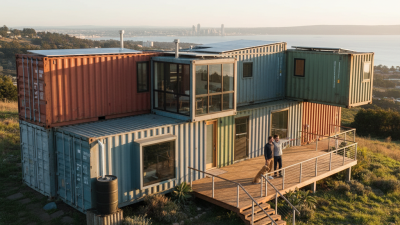
Shipping containers offer a unique opportunity for sustainable living. By converting these robust structures, people can create off-grid homes. Imagine a cozy space equipped with solar panels and rainwater systems. These homes can thrive without relying on traditional utilities.
Utilizing shipping containers comes with challenges. Proper insulation is crucial for comfort. If insulation is inadequate, temperature swings can be extreme. Windows must be strategically placed to maximize natural light. However, cutting through steel can be tricky. Each project requires careful planning and execution.
The idea of living in a shipping container is appealing. Yet, it’s essential to consider zoning laws and land permits. Some locations might not permit container homes. This can lead to frustration. Engaging with local communities can help navigate these issues. It transforms a solitary venture into a shared journey toward sustainable living.
Legal Considerations and Regulations for Shipping Container Use
When considering shipping containers for sustainable living, legal aspects are crucial. Many regions require permits for using containers as homes. Zoning laws often dictate where and how these structures can be placed. For example, a report from the American Planning Association highlights that about 30% of cities in the U.S. have specific regulations targeting container housing. This means understanding local regulations is vital before beginning any project.
Utilities and codes are another concern. Each container home must comply with building codes, especially concerning safety and energy efficiency. The International Code Council has set forth guidelines that many jurisdictions adopt. These codes can vary greatly, leading to potential delays and increased costs. It's estimated that about 25% of container users face challenges in meeting these codes.
Local neighborhood associations can also impact your plans. Many communities have additional restrictions that may affect the aesthetics and construction process. For instance, setbacks, design reviews, and historical preservation efforts can complicate container projects. This landscape of legal considerations can seem daunting. Addressing these challenges early on will lead to more sustainable and compliant living solutions.