Why Choose a 10ft Storage Container?

Choosing the right storage space can feel surprisingly difficult. A 10ft storage container offers a compact, durable option for homes, businesses, and construction sites. Its smaller footprint fits narrow driveways, urban yards, and crowded commercial areas. It can hold tools, seasonal furniture, archived files, or boxed inventory without demanding a large storage compound.

Transport-geography expert Dr. Jean-Paul Rodrigue highlights a useful principle: “A container is a standard unit of transport that links different modes efficiently.” That idea applies directly here. A 10ft storage container can arrive by truck, remain on-site, and move again when your needs change. Weather-resistant steel walls provide strong protection against rain, wind, and everyday impact. Locking bars and a quality padlock add practical security. Ventilation helps reduce condensation, especially when warm air meets cool metal.

Still, this option is not perfect. It needs level ground, safe access, and enough clearance for delivery equipment. Internal width may feel limited when storing bulky machinery or wide furniture. Wooden pallets can improve airflow and protect boxes from floor moisture. A moisture absorber may help, but it cannot replace proper packing. Keep valuables elevated. Check the roof, door seals, floor, and locking system before signing the delivery note. These small checks often prevent larger problems later.

The best choice depends on capacity, location, access, and storage duration. A 10ft storage container is compact, flexible, and practical. It rewards careful planning. Without it, even a strong container can become inconvenient.
Why Choose a 10ft Storage Container?

What Is a 10ft Storage Container?

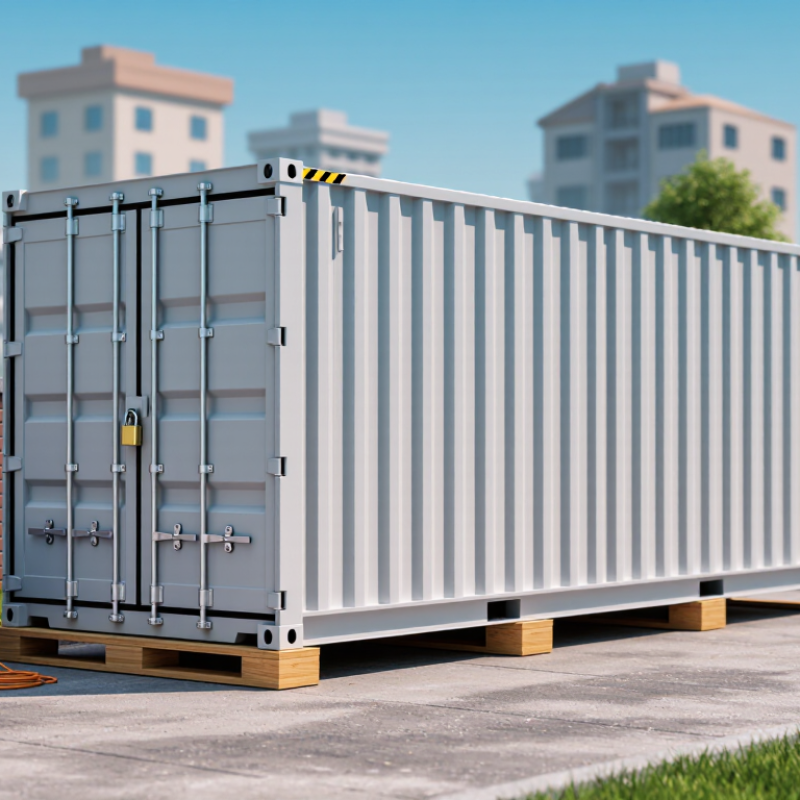
A 10ft storage container is a compact, steel-built unit designed to store household, business, or site equipment. It is commonly about 10 feet long, 8 feet wide, and 8 feet 6 inches high, though dimensions vary by manufacturer and model. Unlike a simple garden shed, it usually has strong steel panels, lockable doors, and weather-resistant construction. Some models include ventilation openings to reduce trapped moisture.

The interior offers roughly 60 to 65 square feet of floor space, but door framing can reduce usable room. It may hold tools, cartons, bicycles, small furniture, or seasonal equipment. Check the internal measurements. A dry, level surface is important because standing water can damage the base and encourage corrosion. Ventilation helps, but it cannot replace dry packing materials and sensible airflow. That detail is easy to miss.

People often choose a 10ft container when a larger unit would waste space. It can fit beside a small building, behind a workshop, or on a restricted driveway. Delivery access still needs careful planning. Measure gates, turning areas, overhead clearance, and ground conditions before ordering. The container may fit. The delivery vehicle might not. I have seen storage plans fail for this simple reason. Before use, inspect the door seals, floor, hinges, and roof for damage, especially with a previously used unit. A few dents may be harmless, but rust near seams deserves closer attention.

How Much Space Does a 10ft Container Provide?

A 10ft storage container usually provides about 60 to 72 square feet of floor space. Internal dimensions often measure roughly 9 feet long, 7 feet wide, and 7 feet high. Exact measurements vary by manufacturer and container design. Always check the specification sheet before planning your storage layout.

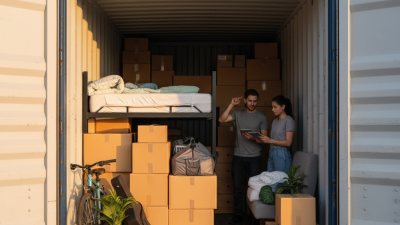
This space can hold furniture from a small bedroom, several bicycles, garden tools, or around 30 to 45 medium moving boxes. A standard sofa may fit, but door access and stacking space can become difficult. I once underestimated how much room protective wrapping would take. That mistake reduced usable space more than expected. The container stores vertically, so sturdy shelving can improve capacity. Keep heavier boxes low, and leave a narrow walkway near the door.

Tips: Measure every large item first. Leave a few inches around fragile furniture. Use clear labels on visible sides. Avoid packing boxes too tightly. Air circulation matters, especially during damp weather. A simple floor plan can prevent wasted corners. The estimate is never perfect. Door width, insulation, and internal framing may reduce the actual storage area. Check those details before delivery, especially when storing tall cabinets or long equipment.

Why Choose a 10ft Storage Container? - How Much Space Does a 10ft Container Provide?

Data Dimension Typical Standard Specification What It Means for Storage
External Dimensions 10 ft long × 8 ft wide × 8 ft 6 in high
Approximately 3.05 m × 2.44 m × 2.59 m
Compact enough for many driveways, construction sites, gardens, and commercial storage areas, subject to local access and placement requirements.
Internal Dimensions Approximately 9 ft 2 in long × 7 ft 8 in wide × 7 ft 10 in high
Approximately 2.80 m × 2.35 m × 2.39 m
Provides a practical enclosed storage area for household goods, tools, equipment, seasonal items, or small business inventory.
Floor Area Approximately 70–72 sq ft
Approximately 6.5–6.7 m²
Comparable to the floor area of a small bedroom or compact storage room. Actual usable area may be slightly reduced by the door frame and wall fittings.
Internal Volume Approximately 560–590 cubic ft
Approximately 15.9–16.7 m³
Offers enough three-dimensional storage space for efficiently packed furniture, cartons, appliances, gardening equipment, or workshop materials.
Door Opening Typically about 7 ft 8 in wide × 7 ft 5 in high
Approximately 2.34 m × 2.26 m
Allows many household items, pallets, shelving units, and wheeled equipment to be loaded more easily than through a standard room doorway.
Typical Internal Height About 7 ft 10 in, or approximately 2.39 m Supports vertical shelving and stackable storage. Leave clearance below the roof and avoid blocking ventilation openings.
Typical Maximum Payload Often approximately 22,000–28,000 lb
Approximately 10,000–12,700 kg
The container structure can support substantial weight, but the permitted load depends on its rating, floor condition, transport requirements, and local regulations.
Typical Tare Weight Approximately 2,900–3,700 lb
Approximately 1,300–1,700 kg
This is the empty container weight. Confirm the identification plate for the exact tare weight before arranging lifting, delivery, or relocation.
Storage Capacity Example Roughly 40–60 medium moving boxes, depending on box size and packing method Careful packing, stackable cartons, and shelving can significantly improve usable capacity. Bulky furniture and irregularly shaped items reduce the number of boxes that fit.
Best Uses Household storage, stock overflow, tools, garden equipment, renovation materials, records, and small workshop supplies A 10ft unit is a useful choice when a larger container would waste space or exceed the available placement area.
Space-Saving Advantage Smaller footprint than a 20ft container while retaining standard container construction Suitable for locations with limited space, provided there is sufficient room for delivery access, door operation, ventilation, and safe clearance.

Important: Dimensions, weights, door sizes, and capacity can vary by container manufacturer, age, construction type, and whether the unit is standard or high-cube. Always verify the specification plate and site requirements before purchase, rental, delivery, or installation.

What Are the Main Uses of a 10ft Storage Container?

Why Choose a 10ft Storage Container?

A 10ft storage container suits projects that need secure space without occupying a full driveway. Its compact footprint fits beside a small workshop, shop, or renovation site. Common uses include storing tools, paving materials, garden furniture, seasonal displays, and boxed household items. Contractors often use one for daily equipment control. Homeowners may protect bicycles, camping gear, and furniture during remodeling. It is not a magical solution. Capacity can disappear quickly when bulky items are added.

On a well-managed site, the container can act as a clean materials room. Shelving keeps tools, fasteners, and cartons off the floor. Ventilation matters when temperature changes create condensation. A raised, level base also improves door operation and reduces water exposure. For records or sensitive goods, check humidity conditions rather than trusting steel walls alone. Access should be planned carefully. A narrow gate may make delivery difficult, even when the container itself fits.

Tips: Measure the placement area, delivery route, and door swing before ordering. Leave a clear walkway inside. Use labeled bins and keep heavier boxes low. Inspect locks, seals, and roof edges after severe weather. I once underestimated aisle space, and retrieving one small box became an unnecessary reshuffle. That mistake taught me to plan movement, not just storage volume. Check local placement requirements, too.

Why Choose a 10ft Storage Container? - What Are the Main Uses of a 10ft Storage Container?

A 10ft storage container provides approximately 15.9 m³ of internal volume, making it a practical choice when a full-size container would offer more space than necessary. It is commonly used for household storage, garden equipment, construction materials, seasonal inventory, and business documents.

The chart compares typical internal volumes for common container lengths. Actual dimensions can vary slightly by container design. A 10ft unit is often easier to place on compact sites while still providing useful enclosed storage space.

What Benefits Make a 10ft Container a Practical Choice?

A 10ft storage container suits people who need controlled space without occupying an entire driveway. Its external footprint is about 80 square feet, while internal capacity usually reaches 15 cubic metres. ISO 668 standardizes key container dimensions, supporting predictable transport and stacking. UNCTAD’s Review of Maritime Transport 2024 reports that over 80% of global merchandise trade by volume moves by sea. That shared system makes container-based storage familiar to logistics professionals.

The practical benefit is easier handling. A 10ft unit can hold garden tools, boxed furniture, seasonal equipment, or small business inventory. Leave a narrow central path. Use shelves along the sidewalls. Heavy boxes should stay low and near the doors. Many units fit beside a small property, but delivery access still matters. Measure gates, turning space, overhead cables, and ground stability before ordering.

Security and condition require judgment. A sound lock box, sealed doors, ventilation, and a dry floor protect contents better than size alone. The International Maritime Organization’s container safety framework emphasizes verified gross mass, so loading must respect the container’s rating plate.

Payload limits vary by construction and age. Do not assume every 10ft unit carries the same weight. Condensation can also damage metal tools and cardboard. Desiccants help, though they are not a complete solution. The smaller footprint may reduce cost, but frequent access can become awkward. That trade-off deserves an honest site test.

What Should You Consider Before Choosing One?

A 10ft storage container can fit neatly beside a home, workshop, or small business. However, its compact size should not make the decision automatic. Measure the items first, including shelves, boxes, and awkward equipment. Then measure the access route. A container may fit the storage area but fail at a narrow gate. Leave space for opening the doors fully. Good planning begins outside the container.

Ground conditions also matter. Place the unit on firm, level supports to reduce movement and door problems. Avoid low areas where rainwater collects. Check the roof, corner posts, floor, and door seals before accepting delivery. Small dents may seem harmless, but damaged seals can invite moisture. Ventilation helps reduce condensation, especially when temperatures change quickly. Still, airflow cannot protect wet furniture or poorly packed cartons. Dry everything first.

Security deserves practical attention. Choose strong locking points and keep valuable contents away from direct door access. Ask how the container will be delivered, positioned, removed, and maintained. Confirm any site rules, permission requirements, insurance responsibilities, and total fees in writing. I have seen people focus on the monthly price and overlook delivery charges. That mistake can make a “cheap” option expensive. Think about how often you will visit the unit, too. A remote location may save money but create inconvenient trips. Ten feet sounds generous until every passage becomes difficult.