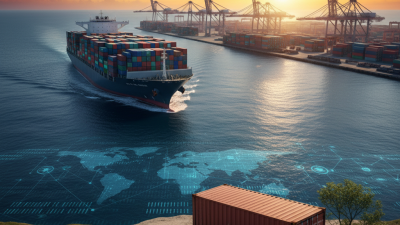
2026 Top Freight Container Types for Global Buyers
For global buyers, choosing the right freight container in 2026 means matching equipment with cargo, routes, climate, and handling conditions. A standard dry container remains the practical choice for boxed goods, machinery parts, furniture, and packaged materials. Its familiar 20-foot and 40-foot formats fit most intermodal networks. But “standard” does not mean suitable for everything.
Refrigerated containers protect seafood, pharmaceuticals, fresh produce, and temperature-sensitive ingredients. Open-top containers help load tall or heavy cargo through the roof. Flat racks support oversized machinery, steel structures, and industrial equipment. Tank containers serve approved liquid cargo under controlled technical requirements. Each type brings different costs, inspection needs, payload limits, and booking challenges. A perfect container does not exist.
Jan Hoffmann, a leading UNCTAD shipping expert, has stated, “Shipping is the backbone of international trade.” His observation still matters when buyers compare container availability, port infrastructure, and inland transport capacity. A reefer may look available online, yet its power connection and temperature records require careful confirmation. A flat rack may accept heavy machinery, but lashing points and weight distribution can change the entire transport plan.
This guide examines the top freight container types for global buyers in 2026. It considers real purchasing decisions, not only technical labels. Dimensions matter. So do door condition, flooring, ventilation, CSC documentation, and inspection history. Buyers should verify specifications with carriers, manufacturers, surveyors, and local logistics professionals. Some assumptions will fail. That is worth remembering. Market conditions, equipment shortages, and regional rules can change quickly. Reliable sourcing therefore requires evidence, comparison, and a willingness to question apparently cheap options.
What Freight Containers Are and How They Support Global Trade
2026 Top Freight Container Types for Global Buyers
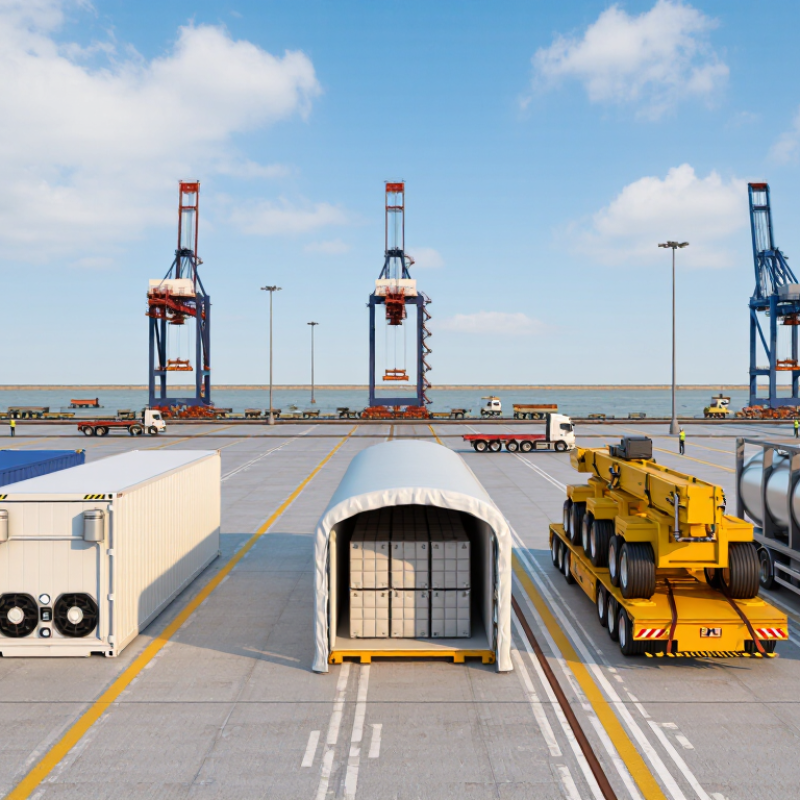
Freight containers are standardized steel units that protect cargo during sea, rail, and road transport. Their fixed dimensions allow cranes, trucks, and vessels to transfer goods efficiently. A dry container suits boxed products, machinery, furniture, and packaged materials. Refrigerated containers maintain controlled temperatures for food, medicine, and other sensitive cargo. Open-top units support tall machinery, while flat racks handle oversized equipment. Tank containers carry approved liquids under strict safety and transport requirements.
Container selection affects cost, damage risk, loading speed, and customs handling. In practical logistics planning, dimensions matter as much as capacity. A 40-foot container may offer more volume, but a 20-foot unit can be safer for dense cargo. Weight limits still apply. Overlooking floor loading is a common mistake. I have also found that buyers sometimes choose based only on price, then face delays because the cargo cannot be loaded correctly. Conditions change by route, season, and port equipment.
Tips: Measure every item before booking. Confirm cargo weight, center of gravity, ventilation needs, and temperature range. Ask for interior dimensions, door clearance, and floor limits. Leave space for secure packing. Recheck the loading plan with the carrier. Small details matter. A slightly higher container fee may prevent costly repacking, product damage, or missed delivery windows.
Standard Dry Containers: Sizes, Features, and Common Cargo
Standard dry containers remain the practical workhorses of global shipping. They use enclosed steel walls, locking doors, and treated plywood floors to protect ordinary cargo from rain, dust, and handling damage. The 20-foot container usually offers about 33 cubic meters of internal space. A 40-foot unit provides nearly twice the length, while a 40-foot high-cube adds extra height for bulky cartons.
Size matters more than many buyers expect. A 20-foot container often suits dense cargo, such as machinery parts, canned foods, ceramic products, or packaged metal goods. A 40-foot container works better for lighter cartons, furniture, textiles, and retail packaging. High-cube models can accept tall pallets, but the added space does not increase permitted weight. Payload limits depend on container condition, transport equipment, and local road rules.
Before loading, experienced teams check the roof for pinholes, the floor for soft areas, and the doors for a complete seal. A quick smell test also helps. Strong chemical or damp odors may affect sensitive goods. Cargo should sit on dry pallets, with gaps blocked to prevent shifting. One common mistake is planning by volume alone. Heavy cargo can reach the weight limit while half the container remains empty. Measurements, packing tests, and verified weight records reduce that risk, although estimates are never perfect.
2026 Top Freight Container Types for Global Buyers - Standard Dry Containers: Sizes, Features, and Common Cargo
| Container Type |
Nominal Size |
Typical Internal Dimensions
(L × W × H) |
Approx. Volume |
Typical Tare Weight |
Typical Payload Capacity |
Door Opening
(W × H) |
Key Features |
Common Cargo |
| 20-foot Standard Dry |
20 ft / 6.06 m |
5.90 × 2.35 × 2.39 m
19 ft 4 in × 7 ft 8 in × 7 ft 10 in |
About 33 m³
1,170 ft³ |
2,200–2,400 kg |
About 28,000 kg
Subject to gross-weight limits |
2.34 × 2.28 m |
Compact footprint; steel construction; timber floor; rear double doors; suitable for dense or heavy cargo. |
Machinery parts, metal products, packaged food, cartons, furniture, tools, and general merchandise. |
| 40-foot Standard Dry |
40 ft / 12.19 m |
12.03 × 2.35 × 2.39 m
39 ft 6 in × 7 ft 8 in × 7 ft 10 in |
About 67–68 m³
2,390 ft³ |
3,700–4,000 kg |
About 26,500 kg
Subject to gross-weight limits |
2.34 × 2.28 m |
Nearly twice the floor length of a 20-foot unit; efficient for high-volume cargo; standard external dimensions for intermodal transport. |
Palletized goods, textiles, appliances, consumer products, boxed components, furniture, and retail inventory. |
| 40-foot High Cube Dry |
40 ft High Cube / 12.19 m |
12.03 × 2.35 × 2.69 m
39 ft 6 in × 7 ft 8 in × 8 ft 10 in |
About 76 m³
2,690 ft³ |
3,900–4,300 kg |
About 26,000 kg
Subject to gross-weight limits |
2.34 × 2.58 m |
Approximately 30 cm more internal height than a standard-height unit; maximizes cubic capacity; common choice for lightweight, bulky shipments. |
Large cartons, clothing, household goods, flat-packed furniture, insulation, plastics, and lightweight machinery. |
| 45-foot High Cube Dry |
45 ft High Cube / 13.72 m |
13.55 × 2.35 × 2.69 m
44 ft 5 in × 7 ft 8 in × 8 ft 10 in |
About 86 m³
3,035 ft³ |
4,800–5,200 kg |
About 27,000 kg
Route and equipment dependent |
2.34 × 2.58 m |
Offers the largest cubic capacity among common dry units; may require route, chassis, terminal, and carrier compatibility checks. |
High-volume retail goods, garments, packaging materials, furniture, consumer products, and palletized light cargo. |
Buyer Notes: Dimensions, tare weight, payload, door opening, and cubic capacity are typical industry ranges and can vary by equipment specification, construction, age, and local regulations. The maximum allowable gross mass is commonly around 30,480 kg for many standard ISO units, but the permitted road, rail, terminal, and vessel limits must always be confirmed before booking. Dry containers are not temperature-controlled or liquid-tight cargo tanks; cargo should be properly packed, secured, and protected against condensation.
How to Choose the Right Container for Cargo, Routes, and Handling
2026 Top Freight Container Types for Global Buyers
Choosing the right container starts with the cargo, not the quotation. A 20-foot dry container suits dense goods, such as boxed hardware or ceramic parts. A 40-foot high-cube container offers extra volume for light, bulky products. Fresh produce and temperature-sensitive materials need a refrigerated container with stable airflow and recorded temperatures. Oversized machinery may require an open-top or flat-rack container. Measure every load carefully. A small mistake can create large handling costs.
The route also changes the decision. A container suitable for ocean transport may face different limits on rail or inland roads. Check door clearance, axle rules, terminal equipment, and transshipment points before booking. Some ports handle standard boxes efficiently but need advance planning for open-top units. Rain, dust, and long waiting times can affect exposed cargo. Use suitable covers, blocking, and bracing where needed.
Handling details deserve equal attention. Confirm the container’s internal dimensions, floor strength, ventilation, and inspection records. A clean unit is not always a suitable unit. Old flooring, damaged seals, or uneven doors can delay loading. The cheapest option may become expensive after repacking or storage. A perfect choice rarely exists. Recheck the plan when cargo weight, delivery timing, or route conditions change.
2026 Top Freight Container Types for Global Buyers
How to Choose the Right Container for Cargo, Routes, and Handling
Dry containers provide the best general-purpose capacity, while high-cube models add approximately 13% more internal volume for lightweight, bulky cargo. Refrigerated containers protect temperature-sensitive goods but offer slightly less usable volume because of insulation and cooling equipment. Payload figures are representative maximums and may vary by container tare weight, port regulations, road limits, and route requirements.