Best 40 Foot Storage Containers for Global Buyers Today?
In the fast-paced global market, choosing the right 40 foot storage containers can make a big difference. These containers offer ample space and versatility for various storage needs. Available in numerous designs, they cater to different industries, including construction, retail, and agriculture.
When assessing options, consider the durability and security of each container. Look for features like weather resistance and locking mechanisms. There are many choices, but not all meet high standards. It’s essential to research suppliers and verify their credibility. User reviews can provide insights into reliability.
While 40 foot storage containers are advantageous, some may overlook hidden costs. Delivery fees and maintenance might surprise buyers. Reflect on your long-term needs before making a decision. By understanding these factors, you can choose the best storage solutions for your requirements.
Overview of 40-Foot Storage Containers in the Global Market
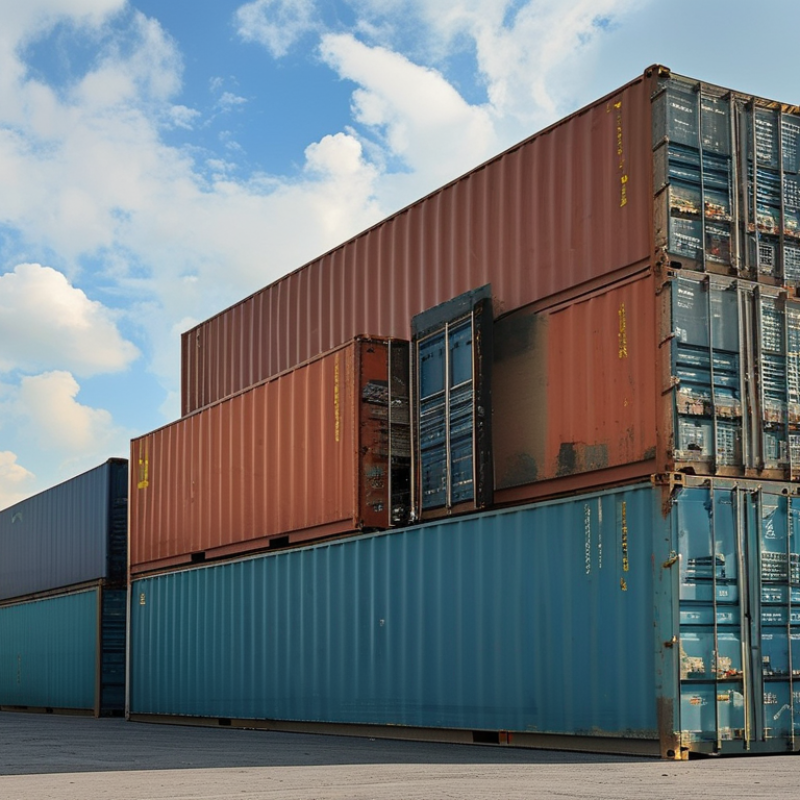
The global market for 40-foot storage containers is diverse and ever-evolving. These containers offer a versatile solution for various storage needs, ranging from shipping goods to providing temporary or permanent storage spaces. Their size is ideal for both businesses and individuals. Many buyers seek these containers for their durability and ease of transport. In recent years, the demand for eco-friendly options has also increased. This shift reflects a growing awareness of environmental impacts.
Evaluating options in the market requires careful consideration. Not all containers are built to the same standards. Some may show signs of wear or damage, despite being marketed as "usable." It's essential to inspect containers before purchase. Some buyers have reported issues with leaks, rust, or inadequate ventilation, which can affect the stored items. Understanding local regulations regarding storage containers is also crucial. This knowledge helps avoid future complications, aligning the purchase with legal standards.
As the demand for storage solutions grows, challenges persist. The market fluctuations often influence availability and pricing. While many may find great value in these containers, prices can vary significantly based on condition and location. Buyers should approach purchasing with a critical eye, ensuring they get value for their investment. Resale value is another consideration; trends may affect how well a container retains its worth over time. Overall, awareness and informed decision-making are key in navigating the global storage container market.
Key Features to Consider When Choosing a 40-Foot Storage Container
When selecting a 40-foot storage container, prioritize durability. A strong container resists harsh weather and protects your belongings. Look for materials like corten steel, known for its corrosion resistance. Containers should also offer secure locking mechanisms. A reliable lock keeps your items safe from theft.
Consider the container's condition. A used container may have dents or rust. Inspect for leaks that could damage contents. Sometimes, superficial flaws hide deeper issues. Ensure the interior is clean and free from debris. A thorough inspection makes a big difference.
Think about ventilation, especially for long-term storage. Adequate airflow prevents mold and mildew. Containers with vents offer better air circulation. If your storage needs vary, choose a container with flexible entrance options. Some have multiple access points, which can be very convenient.
Pay attention to accessibility. If your site has limited space, a container that fits easily into tight areas is key. Plan the placement ahead of time. Consider having a flat, stable surface to place the container. This minor detail can save headaches later. Always consult experts, especially for large-scale needs. Their insight can guide you toward the best choice.
Top Manufacturers and Brands of 40-Foot Storage Containers Worldwide
The global demand for 40-foot storage containers continues to rise, driven by their versatility. A report by Mordor Intelligence indicates that the container industry is expected to grow at a rate of 4.3% annually. Manufacturers are adapting to meet diverse client needs. Factors such as durability and design are paramount in the selection process.
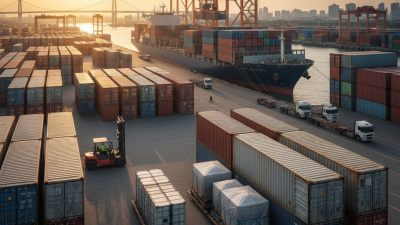
Top manufacturers prioritize quality and compliance with international standards. However, some brands have been criticized for inconsistent product quality. Ensuring containers meet safety regulations is crucial for buyers. A significant portion of shipping containers, approximately 60%, are used in logistics, showcasing how essential they have become in this sector.
Innovations in container design are becoming common, but not all manufacturers keep pace. The best models often focus on energy efficiency and sustainability. Yet, some companies overlook these aspects, leading to missed opportunities in eco-friendly markets. Buyers must be vigilant and select manufacturers with proven track records to ensure reliability and performance in their storage solutions.
Storage Container Size Comparison
Cost Factors and Pricing Trends for 40-Foot Storage Containers
The market for 40-foot storage containers is expanding rapidly. Factors influencing pricing include material costs, demand trends, and geographical variations. According to a report by Mordor Intelligence, the global storage container market is projected to grow at a CAGR of 4.3% from 2021 to 2026. This growth trajectory reflects rising logistics needs worldwide.
When evaluating cost factors, the price range for a new 40-foot container typically falls between $3,000 and $7,000. However, prices can fluctuate based on availability and regional demand. For instance, a surge in shipping activities can hike prices sharply in coastal areas. Meanwhile, maintenance issues can affect resale value, highlighting the importance of assessing container conditions before purchase.
Potential buyers should consider warranties and lifespan. Containers often last over 25 years, yet factors like rust and structural integrity can shorten this. It's crucial to reflect on these factors when making a purchase. Understanding how these elements interact with market dynamics can guide more informed choices, ultimately impacting user satisfaction and investment returns.
Best 40 Foot Storage Containers for Global Buyers Today
| Container Condition |
Average Cost (USD) |
Location |
Delivery Fees (USD) |
Additional Features |
| New |
$4,500 |
USA |
$350 |
Customized Paint |
| Used |
$3,000 |
Canada |
$200 |
Wind and Water Tight |
| Refurbished |
$3,800 |
Europe |
$400 |
Insulated |
| Like New |
$4,200 |
Australia |
$300 |
Multiple Vents |
| Damaged |
$1,500 |
Asia |
$500 |
Requires Repair |
Common Uses and Applications of 40-Foot Storage Containers Today
40-foot storage containers serve various essential functions in today's logistics and business operations. Many industries utilize these containers for storing excess inventory. Retailers often store seasonal products, ensuring they have enough stock. Additionally, construction sites benefit from these units. They secure tools and materials, reducing theft and damage.
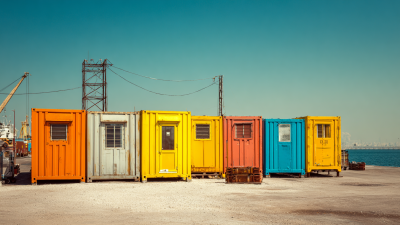
Transportation is another key application. Companies use these containers for shipping products across regions. Their durability ensures goods arrive safely, protecting them from environmental elements. Many businesses also find value in using these containers for temporary offices. This allows for flexible workspace solutions at job sites.
While there are many advantages, potential challenges exist. Placement on-site may be constrained due to space or zoning regulations. Moreover, poorly maintained containers can lead to storage issues. Buyers should carefully evaluate their needs and inspect containers prior to purchase. Understanding these factors ensures that storage solutions are effective and suitable for long-term use.