10 Best Sea Container Suppliers for Global Buyers?
Choosing among the 10 best sea container suppliers requires more than comparing prices on a spreadsheet. Global buyers must examine container condition, ISO dimensions, CSC plate validity, delivery capacity, and after-sales support. A clean exterior can hide floor damage, roof leaks, or weakened corner posts. Ask for inspection photographs, repair records, production dates, and independent verification when possible. Small details matter.
Malcom McLean, the pioneer of modern containerization, said, “The container is the key to modern transportation.” His insight still applies. The right supplier connects the box with the cargo, route, climate, and handling method. A standard 20-foot container may suit general cargo, while a 40-foot high-cube unit offers valuable extra volume. Refrigerated, open-top, flat-rack, and tank containers require more specialized checks. Not every supplier can provide them reliably.
This guide evaluates leading sea container suppliers through practical buyer concerns, including product consistency, geographic coverage, transparent quotations, customization, and support after delivery. It also considers whether a supplier can handle one container or a recurring fleet order without losing quality. That distinction is easy to overlook. Prices also change with steel costs, port congestion, inland transport, and regional inventory. Therefore, this list should support judgment, not replace it. A supplier ranked highly today may perform differently next season. Buyers should confirm current stock, specifications, delivery terms, and applicable safety requirements before signing. Mistakes happen, even with experienced teams. Careful verification remains the strongest protection.
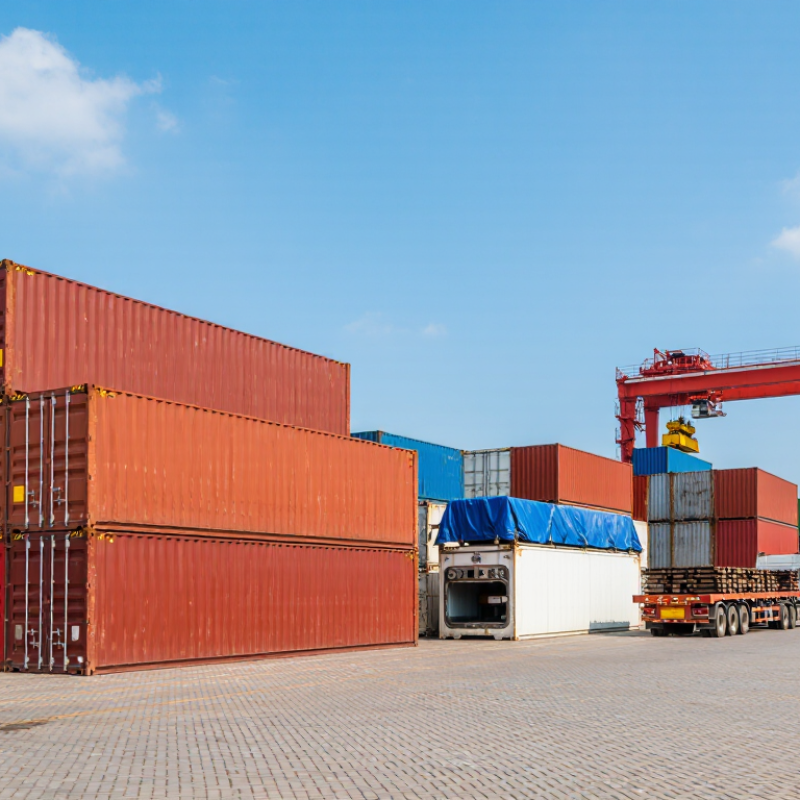
Types of Sea Containers and Their Global Applications
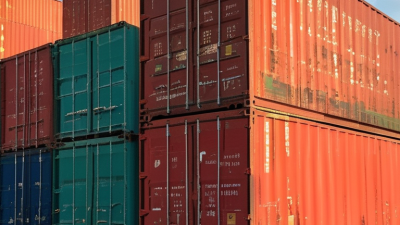
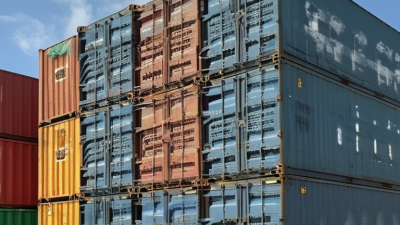
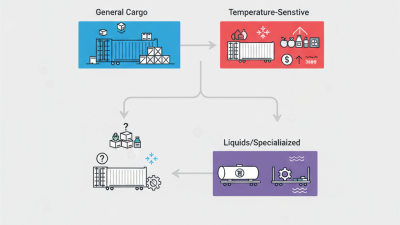
Sea containers serve different cargo needs, and choosing the wrong type can increase damage, delays, and handling costs. Dry containers remain the standard choice for boxed goods, machinery, furniture, and packaged materials requiring weather protection. Inspect the floor, door seals, corner posts, and internal odor before loading. Small details matter.
Refrigerated containers maintain controlled temperatures for produce, dairy products, pharmaceuticals, and other temperature-sensitive goods. However, they need pre-cooling, continuous power, and documented temperature settings. Open-top containers handle tall machinery, timber, and bulk cargo loaded by crane. Flat racks support oversized equipment when side or top access is necessary. Measurements must be exact. A few centimeters can change the loading plan. Tank containers transport approved liquid cargo under strict technical controls. Use qualified operators and verified documentation.
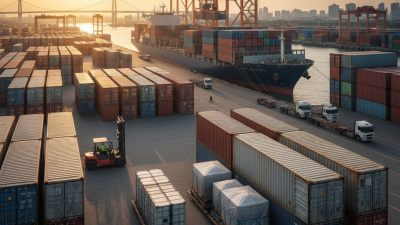
Across ports and inland terminals, container choice depends on route, climate, lifting equipment, and final delivery access. A reefer may protect cargo at sea but fail during a long power interruption inland. That risk is easy to underestimate. Likewise, a low-cost used container may need repairs before export loading. Condition grades are not perfectly consistent. Photographs, inspection records, weight limits, and clear packing instructions improve purchasing decisions. Reliable suppliers should explain these limitations openly, not promise a universal solution.
Key Criteria for Evaluating International Container Suppliers
10 Best Sea Container Suppliers for Global Buyers?
Choosing among the ten best sea container suppliers requires more than comparing advertised prices. International buyers should verify container condition, manufacturing records, and export experience. Ask for recent inspection photos, production dates, and repair histories.
Check the floor. A damaged floor can delay loading and create unexpected costs. Suppliers should clearly explain dimensions, steel grades, door seals, and available container types.
Reliable suppliers provide accurate quotations with delivery terms, port charges, insurance responsibilities, and estimated transit times. Confirm whether the quoted price includes inspection, documentation, and inland transport.
Ask for proof.
Request independent inspection options before payment, especially for large orders. A professional supplier should answer technical questions without vague promises. Their sales staff should understand payload limits, corrosion protection, ventilation, and regional weather conditions.
Payment security also matters. Review the company’s registration, physical address, customer references, and dispute process. Check whether certificates match the exact units offered, not merely a standard sample.
Small details matter. A supplier may have excellent containers but weak after-sales communication. That risk is easy to overlook.
Buyers should also compare response times across several weeks, because one fast reply proves very little.
My own evaluation would remain cautious when photographs look perfect but lack timestamps or container identification numbers. Prices can change with steel costs, port congestion, and currency movements.
A clear contract should record specifications, inspection rights, delivery milestones, and remedies for damaged or incorrect units.
Top Sea Container Suppliers for Global Buyers
Top Sea Container Suppliers for Global Buyers
Choosing among the top sea container suppliers requires more than comparing online prices. A reliable supplier should provide ISO documentation, recent inspection records, CSC plate details, and clear cargo-grade descriptions. UNCTAD’s Review of Maritime Transport 2024 reported that global container ship capacity grew by about 8.5% between July 2023 and July 2024. This expansion can improve availability, but it does not guarantee consistent container quality.
Check the physical details carefully. Ask for photographs of door seals, corner castings, flooring, and roof panels. A used 40-foot container may look sound outside while hiding water stains beneath plywood. Measure internal dimensions, confirm payload limits, and request delivery terms in writing. Suppliers with depot networks, repair records, and transparent damage classifications are easier to audit across borders. That matters.
Pricing also needs context. The Container xChange market reports show that container prices and leasing conditions vary by location, equipment type, and repositioning demand. A low quote may exclude inland transport, inspection, taxes, or repair work. I have found that small omissions create the largest disputes. Buyers should compare the complete landed cost, not only the unit price. No shortlist is flawless. Weather exposure, depot handling, and inaccurate photos can still affect a purchase, so an independent pre-shipment inspection remains a sensible safeguard.
Supplier Comparison: Quality, Pricing, Compliance, and Logistics
Comparing ten sea container suppliers requires more than a low headline price. In practical sourcing reviews, I check steel condition, door seals, floor strength, and repainting quality. A 20-foot unit should arrive with readable identification plates and an inspection record. Photos help, but they can hide rust beneath a fresh coat. An independent pre-shipment inspection remains worthwhile. Small defects become expensive after delivery.
Pricing should be compared line by line. Request the container price, handling fees, inland transport, port charges, documentation, taxes, and insurance separately. Ask whether the quote covers a wind-and-watertight unit or a cargo-worthy unit. Those terms are not interchangeable. A cheap offer may exclude trucking to the loading port. Currency changes can also disturb a careful budget. Keep a written validity period for every quotation. Check the details.
Compliance and logistics reveal supplier reliability. Confirm valid CSC safety plates, export documents, ownership records, and destination-country requirements before payment. Check the depot’s distance from the port, available stock, cut-off times, and damage-claim process. Suppliers with clear serial-number tracking are easier to audit. Delivery estimates should include inspection, booking, customs clearance, and possible weather delays. No scorecard is perfect. A supplier may excel on quality yet fail on communication. Recheck assumptions before choosing.
10 Best Sea Container Suppliers for Global Buyers
Supplier Comparison: Quality, Pricing, Compliance, and Logistics
This benchmark uses standardized dry-container capacity as a neutral reference for global sourcing decisions.
Typical internal volumes are approximately 33.2 m³ for a 20-foot container, 67.7 m³ for a 40-foot container,
and 76.4 m³ for a 40-foot high-cube container. Actual dimensions, tare weight, payload, condition, and available
certifications may vary by unit and supplier. Buyers should verify ISO compliance, inspection records, pricing,
shipping routes, lead times, and documentation before purchase.
How to Select the Right Sea Container Supplier for Your Needs
Choosing the right sea container supplier requires more than comparing online prices. Start with your cargo, route, loading method, and expected service life. A dry container may suit boxed goods, while insulated or specialized units may protect temperature-sensitive materials. Ask for exact external and internal dimensions. Request recent photos, inspection records, and clear specifications for flooring, doors, seals, and corrosion.
Reliable suppliers explain grading standards and disclose repair history. They should confirm availability, delivery schedules, documentation, and after-sales support in writing. Experience matters when ports change schedules or equipment arrives with small defects. I have found that a low quote can hide transport fees, cleaning costs, or unsuitable container conditions. That is not always obvious. Speak with a technical representative, not only a salesperson. Check independent reviews, business registration details, and references from buyers with similar routes. If the supplier avoids direct answers, reconsider the purchase.
Tips:
Compare total landed cost, not unit price. Verify the container identification number before payment. Confirm wind and watertight condition through an independent inspection when possible. Clarify who handles inland delivery, unloading, and damage claims. Keep every specification in the contract. A simple checklist helps, although mine has changed after a few disappointing deliveries. Leave room for realistic delays, especially during busy shipping periods.