How to Buy a 20ft Shipping Container for Your Business?
When considering the logistics of your business, a 20ft shipping container can be a game changer. These versatile boxes serve various purposes, from storage to mobile office spaces. Investing in a 20ft shipping container can help streamline operations. However, buying one involves more than just a simple transaction.
Research is crucial. Not all containers are in good condition. Some may have structural issues or past uses that could affect their reliability. Inspecting the container firsthand can reveal problems often overlooked in photos. Consider important factors such as insulation, ventilation, and compliance with local regulations.
Budgeting is essential too. Prices can vary greatly based on condition, location, and market demand. Take time to compare prices from different suppliers. Ultimately, a well-chosen 20ft shipping container can enhance business efficiency, but it requires thoughtful consideration. Reflecting on your specific needs is key to making the right decision.
Benefits of Using 20ft Shipping Containers for Business Operations
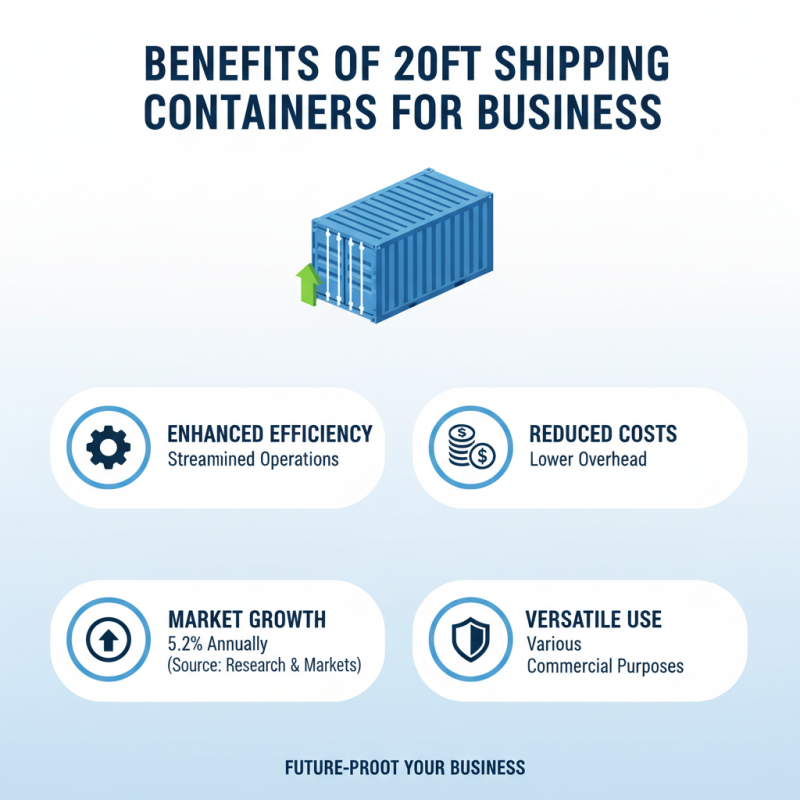
Using 20ft shipping containers for business operations offers numerous benefits that can enhance efficiency and reduce costs. According to a report by Research and Markets, the shipping container market is expected to grow by 5.2% annually. This growth indicates a rising trend in leveraging containers for various commercial purposes.
Storage is a primary advantage. A 20ft container provides substantial space for inventory, tools, or equipment. Businesses can efficiently manage stock without incurring high overhead costs associated with traditional storage facilities. Moreover, these containers are durable and weather-resistant, ensuring that goods remain protected. They can be modified for specific needs, such as pop-up shops or temporary offices.
**Tip:** Evaluate your storage needs before purchasing. Consider factors like space required and potential future expansions.
Another significant benefit is mobility. Unlike fixed storage solutions, a 20ft container can be transported to different locations. This flexibility is crucial for businesses involved in construction or event management. The report also highlights the eco-friendly aspect. By repurposing shipping containers, companies contribute to reducing waste and promoting sustainability.
**Tip:** Check local regulations regarding container placement. Compliance ensures smooth operations without unexpected delays.
While 20ft containers have many advantages, one must consider initial costs and potential modifications needed for business-specific functions. It’s essential to weigh these factors carefully. Proper planning can lead to increased operational efficiency and savings in the long run.
Key Factors to Consider When Purchasing a 20ft Shipping Container
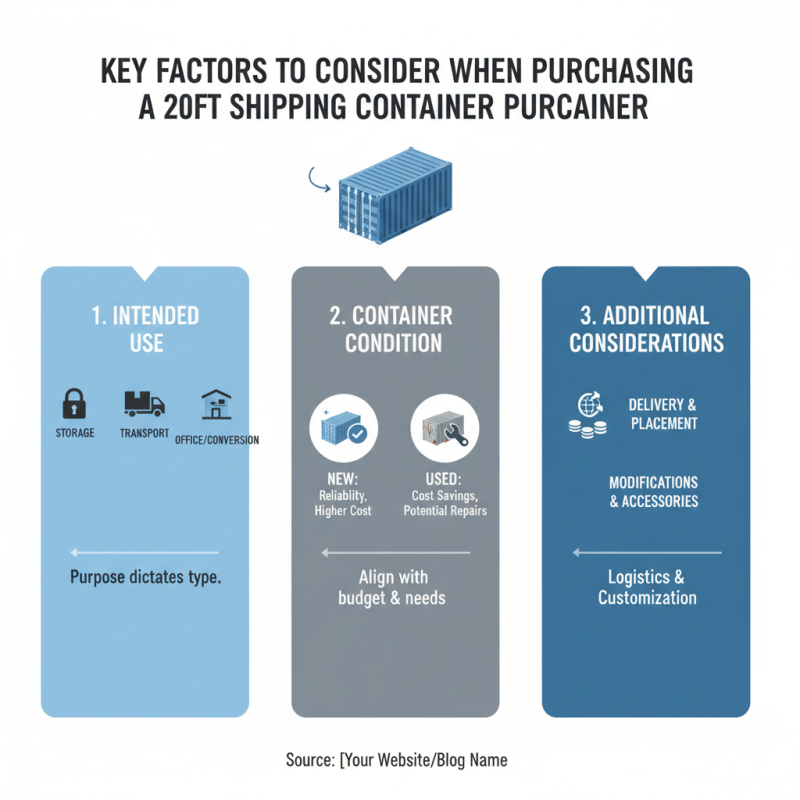
When purchasing a 20ft shipping container for your business, there are several key factors to weigh. Start with your intended use. Are you using it for storage, transporting goods, or even converting it into office space? The purpose will significantly influence your decision. Ensure the container's condition aligns with your needs. A new container offers reliability, while a used one might save costs but could require repairs.
Consider location and delivery options. Transporting a heavy container is not easy. Check if the supplier offers delivery services. This minimizes additional logistics challenges. Inspect the container for signs of rust or structural damage. These issues can lead to greater expenses later. It’s essential to ask about warranties and return policies too.
Budget is crucial. A container may seem affordable initially, but ongoing maintenance can add up. Compare multiple suppliers to identify fair pricing. Remember to check local regulations. Zoning laws could affect where and how the container can be used. This aspect might require additional research. Always take your time before making a decision. Rushing can lead to costly mistakes.
Cost Breakdown: Understanding 20ft Shipping Container Pricing and Financing
When considering the purchase of a 20ft shipping container, understanding the cost breakdown is crucial. Pricing varies widely based on condition, location, and features. Typically, a used container is more affordable, with prices starting around $1,500. New containers can range from $3,000 to $5,000. Factors like delivery fees and modifications can add to the total cost.
Financing options also play a significant role. Many companies offer rental plans or financing, making ownership more accessible. Monthly payments can be as low as $100, depending on the terms. However, it is essential to read the fine print. Understanding interest rates and hidden fees is vital for budgeting.
Consider the long-term implications of your choice. A cheaper upfront price might mean more repairs later. Always do thorough research before committing to a purchase or financing option. Assess your needs carefully and factor in maintenance, insurance, and possible resale value. This approach can lead to a well-informed decision and a successful investment for your business.
Comparing New vs. Used 20ft Shipping Containers for Your Needs
When considering a 20ft shipping container for your business, you will have to choose between new and used options.
New containers typically come with a warranty, ensuring minimal issues over time. They are built to withstand harsh conditions, which can be a significant advantage.
According to industry reports, new containers retail at an average of $3,000 to $5,000. This cost can be a considerable investment, particularly for small businesses.
On the other hand, used containers can be a cost-effective alternative. Prices can range from $1,500 to $3,000, depending on the condition.
However, buyers should be cautious. Some used containers may have structural issues or rust damage that might not be immediately visible. An estimated 30% of used containers require repairs, according to logistics surveys.
Understanding the true condition of these containers is crucial. Hiring a professional inspector can help identify hidden flaws.
Both options have their pros and cons. New containers offer reliability, while used ones provide savings. Companies often overlook long-term costs such as maintenance and repairs.
This decision should align with your business's operational needs and budget constraints, ensuring that your choice supports growth.
Take time to assess your requirements and future goals.
Finding Reliable Suppliers and Shipping Container Market Insights
When looking for a 20ft shipping container, finding reliable suppliers is essential. Start by researching local dealers and online platforms that specialize in containers. Reach out to them to inquire about pricing, quality, and available options. Pictures may be misleading, so request detailed photos. A good supplier will provide transparency about the container's condition. Look for ratings and reviews from other buyers. This will give you a sense of their reputation.
Market insights can shape your decision. Prices fluctuate based on demand, location, and container condition. Keeping an eye on trends is wise. Seasonal changes also impact availability. For example, containers may be more accessible during off-peak seasons. Observe local regulations concerning container use. Sometimes, permissions are needed for placement. Each region has different rules. Understanding these can save time and money.
Don’t rush. Take your time to compare different suppliers. Sometimes, the lowest price signals hidden issues. A seemingly good deal may lead to headaches later. Weigh all factors carefully. Reflect on your specific needs before making a purchase. Consider how the container will benefit your business long-term. After all, a well-informed decision can lead to better opportunities down the road.
Average Prices of 20ft Shipping Containers by Year
This chart depicts the average prices of 20ft shipping containers over the past five years, providing insights into market trends that can assist businesses in planning their purchases effectively.