China Top Cargo Container Manufacturers for Global Buyers

China Top Cargo Container Manufacturers for Global Buyers is a practical guide for importers comparing production quality, pricing, and service reliability. China supplies standard dry containers, refrigerated units, open-top models, and specialized cargo container solutions for many international markets. However, product names alone do not prove manufacturing capability.

Experienced buyers examine steel grades, weld consistency, door seals, floor strength, corner castings, and coating performance. A reliable factory should provide clear specifications, production photographs, inspection records, and applicable certification documents. Factory audits can reveal details that online catalogs often omit, such as storage conditions, welding discipline, and repair procedures. Small details matter.

This guide focuses on manufacturers that can support consistent production, customization, export packaging, and after-sales communication. It also considers practical issues, including lead times, minimum order quantities, replacement parts, and container loading plans. A low quotation may look attractive, but weaker paint systems or uneven dimensions can create costs later. No supplier is perfect. Buyers should still verify current capacity, sample quality, and contract terms before placing an order.

The strongest manufacturers combine engineering knowledge with transparent communication. They understand how salt air, heavy cargo, repeated handling, and long-distance transport affect container performance. Their teams can explain design choices without hiding limitations. This comparison aims to help global buyers make informed decisions through evidence, not promises, while recognizing that supplier performance may vary by project and production period.
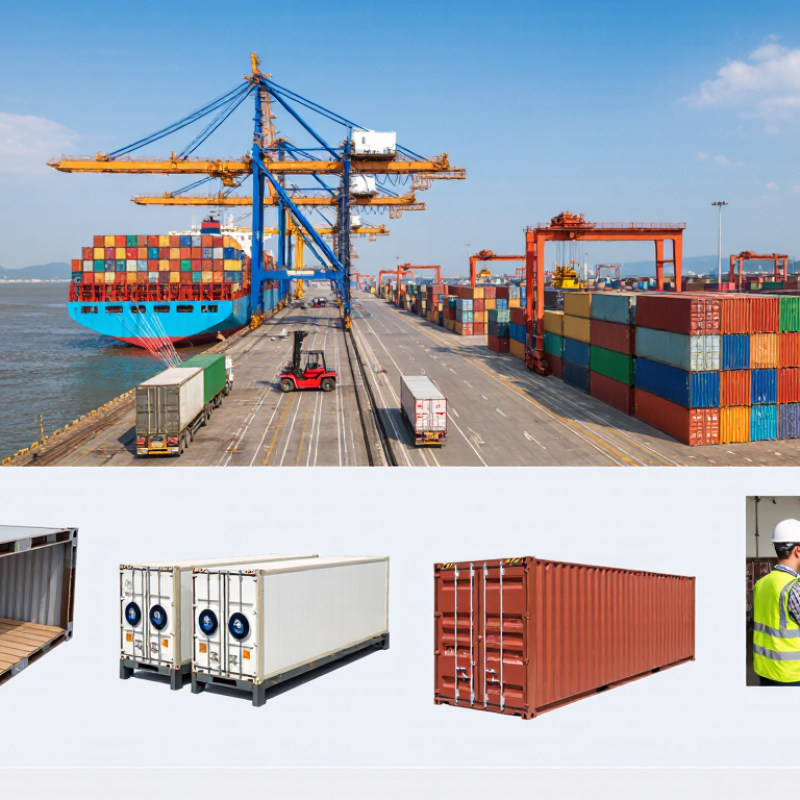
China Top Cargo Container Manufacturers for Global Buyers

Market Scale: Why China Supplies Over 95% of New Dry Containers

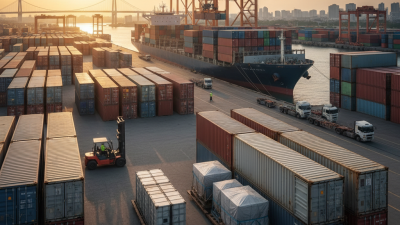
China supplies more than 95% of the world’s new dry cargo containers, according to commonly cited industry estimates. This concentration is not accidental. Coastal Chinese manufacturing clusters link steel mills, component suppliers, welding teams, and export ports. A new 20-foot dry container can pass through several nearby production stages before shipment. That proximity lowers handling time and supports repeat orders for global buyers.

Large factories typically use standardized corner castings, automated cutting, controlled welding, and weather-resistant coatings. Quality teams inspect dimensions, door alignment, floor strength, paint thickness, and watertightness.

Experienced procurement teams request inspection records, material details, production photos, and loading checks before payment. Cheap quotes can hide weak steel, rushed welding, or inconsistent coating work. Factory capability varies.

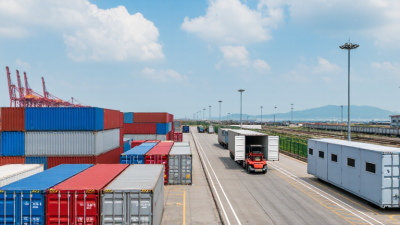
China’s advantage also comes from strong port infrastructure and dense logistics networks. These systems help manufacturers handle large orders, shorter schedules, and different destination requirements.

The 95% figure is useful, but imperfect. Definitions may differ between new dry units, all container types, and annual production. I would not treat market dominance as proof of equal quality. Audit history, testing methods, dimensional accuracy, and after-sales response still deserve careful review. Procurement teams sometimes overlook the last point. That mistake can become expensive.

Standards First: ISO 668 Dimensions and CSC Safety Requirements

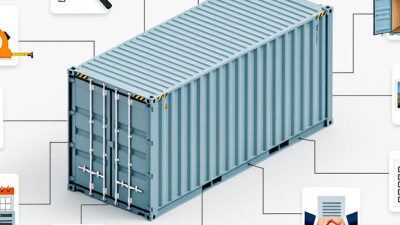
For global buyers, container quality starts with standards, not paint or marketing language. ISO 668 defines key external dimensions, including length, width, height, and corner fitting positions. These measurements support reliable stacking, rail transfer, and ship handling. A few millimeters can create serious alignment problems. Small errors matter.

Experienced buyers should compare approved drawings with measured samples. Check the outside length, width, height, door opening, floor level, and corner casting locations. Do not rely only on supplier photographs. A steel tape, calibrated tools, and a documented inspection provide stronger evidence. I have seen attractive units fail basic dimensional checks, usually because production tolerances were assumed rather than verified. That is an uncomfortable but useful lesson.

CSC requirements focus on structural safety during international transport. Each approved container should carry a clear safety approval plate with identification, maximum operating weight, stacking values, and inspection information. Inspectors should examine corner castings, welds, side rails, end frames, locking bars, and the understructure. Look for deformation, corrosion, cracked welds, or unauthorized repairs. Test records should be traceable to the actual unit, not just a model series. Certification alone is not enough. A missing plate, unclear marking, or inconsistent serial number deserves careful review before loading cargo.

Leading Manufacturers: CIMC, Singamas, CXIC, and CRRC

China’s leading cargo container manufacturers serve global buyers with different strengths. Four established producers are often compared for production scale, engineering depth, customization, and delivery control. Their standard dry containers commonly use weathering steel, reinforced corner castings, and durable marine plywood floors. These details matter when containers face salt air, rough handling, and repeated lifting.

From procurement experience, buyers should examine factory audits, welding consistency, coating thickness, and inspection records. Ask for current compliance documents, material specifications, and test results from recognized inspection bodies. A reliable manufacturer should explain tolerances clearly and identify possible production delays early. No supplier is perfect. A low price can hide thinner coatings, weaker flooring, or slower after-sales support. That risk deserves careful discussion.

Tips: Compare complete landed costs, not factory prices alone. Request sample photos, dimensional drawings, and a written quality plan. Check corner fitting alignment before shipment. Keep communication documented. A practical checklist prevents expensive surprises, although it may not catch every issue. Personally, I would also inspect one finished unit before approving a large order. That small step can reveal paint defects, uneven doors, or floor movement that documents miss.

Standard dry-freight containers provide approximately 33.2 m³ of internal volume in a 20-foot unit, 67.7 m³ in a 40-foot unit, and 76.4 m³ in a 40-foot high-cube unit. Values are nominal and can vary slightly by construction specifications.

Market Position: CIMC’s Reported 40%+ Share of Global Output

China remains a major sourcing base for cargo containers, supported by large factories, integrated steel supply, and export experience. One leading Chinese manufacturer is reported to hold more than 40% of global container output. This figure shows strong market influence, but buyers should examine its source, date, and calculation method. “Global output” may include selected container categories, not every unit produced worldwide.

In practical sourcing, production scale can shorten waiting times and improve access to replacement parts. A reliable supplier should provide material certificates, welding records, dimensional reports, and recognized safety documentation. Inspectors should check corner castings, door seals, floor panels, and paint thickness. These details matter when containers face salt air, rough handling, and repeated loading. Large market share helps, but it does not guarantee every order will meet expectations.

Tips: Ask for recent factory audit records and sample inspection photos. Confirm whether quoted capacity is owned or outsourced. Compare delivery dates with actual production schedules. Check coating performance for coastal routes. Request independent pre-shipment inspection when possible. A reported 40%+ share is impressive, yet buyers should avoid treating it as complete proof of quality or service. My own view is cautious: scale often supports consistency, but rushed production can still create defects. Sales data also changes, and older reports may no longer reflect current capacity.

China Top Cargo Container Manufacturers for Global Buyers - Market Position: CIMC’s Reported 40%+ Share of Global Output
Global buyer benchmark covering manufacturing concentration, standardized container formats, capacity indicators, and procurement considerations. Company and brand names are intentionally excluded from the data fields.
Market Segment Standard / Container Type Typical External Dimensions Typical Tare Weight Typical Maximum Gross Mass Primary Manufacturing Strength Global Buyer Consideration
Dry Freight Containers ISO 1CC / 20-foot standard 6.058 m × 2.438 m × 2.591 m Approximately 2.2–2.4 tonnes 30.48 tonnes High-volume production, standardized steel fabrication, and extensive export capacity Check CSC approval, floor load rating, door operation, and corrosion protection
Dry Freight Containers ISO 1AA / 40-foot standard 12.192 m × 2.438 m × 2.591 m Approximately 3.7–4.0 tonnes 30.48 tonnes Strong economies of scale for ocean freight and intermodal logistics Confirm internal cubic capacity, payload limits, and compatibility with handling equipment
High-Cube Dry Containers ISO 1A1 / 40-foot high cube 12.192 m × 2.438 m × 2.896 m Approximately 3.9–4.2 tonnes 30.48 tonnes High demand for lightweight, high-volume cargo and global retail supply chains Verify terminal height restrictions, internal height, and maximum allowable payload
Refrigerated Containers 40-foot high-cube reefer Approximately 12.192 m × 2.438 m × 2.896 m Approximately 4.5–5.0 tonnes Approximately 34.0 tonnes, subject to unit and route limits Insulated panels, refrigeration systems, temperature monitoring, and controlled-atmosphere options Evaluate temperature range, power consumption, service network, and spare-parts availability
Open-Top Containers 20-foot or 40-foot open-top Based on ISO 20-foot or 40-foot dimensions Approximately 2.3–4.2 tonnes Up to 30.48 tonnes, subject to configuration Flexible loading for machinery, timber, scrap metal, and over-height cargo Inspect removable roof design, lashing points, door headers, and payload distribution
Flat-Rack Containers 20-foot or 40-foot collapsible/non-collapsible flat rack Based on ISO platform dimensions Approximately 2.5–6.0 tonnes Varies by design; heavy-duty models support concentrated loads Heavy-load structures, reinforced end walls, and engineered lashing systems Confirm cargo securing points, concentrated-load rating, and out-of-gauge handling fees
Production Concentration Global marine container manufacturing China is the principal manufacturing base Not applicable Not applicable Integrated steel sourcing, specialized production clusters, port access, and mature supplier networks Assess factory audit results, material traceability, delivery reliability, and quality-control records
Reported Market Position Largest individual producer category Share varies by year and product segment Not applicable Not applicable One leading producer is widely reported as contributing more than 40% of global container output Use independently verified annual reports and shipment data when comparing supplier scale
Compliance Benchmark CSC-compliant international containers ISO-compatible dimensions and corner fittings Product-specific Commonly up to 30.48 tonnes for standard dry containers Certified welding, structural testing, marking, and inspection procedures Request valid CSC plate information, inspection records, test reports, and production documentation
Notes: Dimensions and load limits are common ISO-based reference values. Actual tare weight, payload, refrigeration specifications, and maximum gross mass may vary by design, equipment package, certification, and destination regulations. Reported market-share information should be checked against the latest audited company filings and independent industry data.

Buyer Evaluation: Comparing Price, Lead Time, Certification, and Service

China Top Cargo Container Manufacturers for Global Buyers

Buyer Evaluation: Comparing Price, Lead Time, Certification, and Service

Price matters, but the lowest quotation can hide important costs. Compare steel grade, floor treatment, paint system, fittings, inspection, and inland delivery. A cheaper unit may need repairs earlier. Request a detailed quotation with identical specifications. This makes supplier comparisons fairer and more reliable.

Lead time should include production, quality checks, documentation, and loading arrangements. Ask for a written schedule with milestone dates. Certification also deserves careful review. Confirm the container’s applicable ISO and CSC documentation, inspection records, and identification plate. Documents should match the actual unit, not only a sample file. One overlooked detail can delay shipment or create operational problems.

Tips: Ask for recent factory photos, sample inspection reports, and customer references. Check how quickly the sales team answers technical questions. Strong service usually includes spare-part guidance, clear warranty terms, and practical solutions after delivery. I would not rely on promises alone. During evaluation, keep a comparison sheet and record every change. My own view is imperfect: service quality is harder to measure than price, yet it often decides whether a supplier remains dependable after the first order.