What Is a Shipping Container Shed?
A shipping container shed turns a steel cargo container into practical space for tools, equipment, garden supplies, or a small workshop. The idea sounds simple. The details matter more. A sound plan considers the container’s condition, the site, ventilation, insulation, drainage, and access before storage begins.
“Start with the ground, then solve the weather,” is a useful design principle for any container shed. No article or source was provided, so I can’t responsibly attribute that sentence to a named industry expert. A verified expert quotation should be added only when its original source can be checked.
On site, those design choices become tangible. Rainwater needs somewhere to go. Doors must open without striking a fence or wall. In a workshop, warm air, tools, and condensation all affect comfort and upkeep. Even a clean-looking container may need inspection for corrosion, damaged seals, or a floor that has softened over time. Small oversights can become expensive repairs.
This guide explains what a shipping container shed is, what it can be used for, and which decisions shape its performance. It also looks at benefits and limitations, including heat, airflow, and the work required to prepare a suitable base. Not every container fits every property. That is worth remembering. A practical shed is not just a steel box; it is a storage space designed around its contents, climate, and daily use.
What Is a Shipping Container Shed?
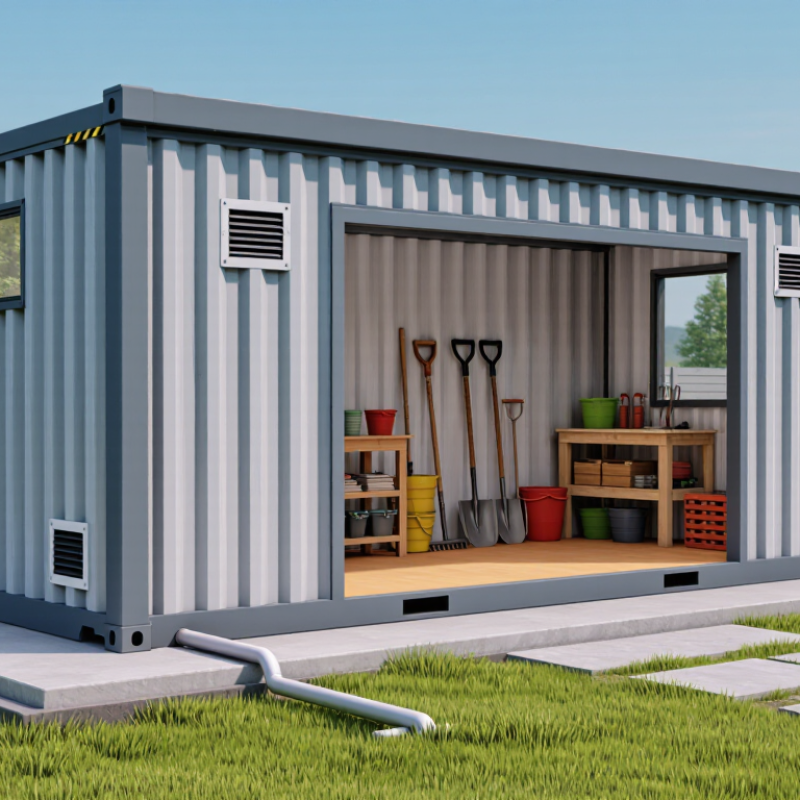
A shipping container shed is a storage or work space made by adapting a steel shipping container. It may hold garden tools, bicycles, seasonal furniture, or workshop supplies. Unlike a wooden shed, it starts with a rigid steel shell and heavy cargo doors at one end. The inside can be left plain or fitted with shelves, lighting, windows, and insulation. Simple idea. Not quite simple.
A dry, level base helps keep the container stable and its doors usable. Check the roof, floor, and corners for corrosion or damage before fitting it out. Steel heats quickly in sun and can collect condensation inside, so ventilation and suitable insulation matter. A few vents may help, but their placement depends on the intended use and local climate. Cutting openings can affect structural strength; have major changes assessed by a qualified fabricator. Also check local building requirements before installation. These details are easy to overlook when the empty container looks ready to use. It may be, but a careful inspection often changes the plan.
How Is a Shipping Container Shed Built?
A shipping container shed is a small utility building made from a cargo container, often used for tool storage, workshops, or equipment shelter. Building one starts with a clear site plan: measure the container, mark door and window openings, and decide how water will drain away. A 20-foot container gives roughly 160 square feet of floor area, but usable space shrinks once you add insulation or shelving. Keep it dry.
Prepare a level, well-drained base before delivery. Concrete piers or a reinforced pad can support the corner castings, but the right foundation depends on soil and local conditions. UNCTAD’s Review of Maritime Transport 2023 reported 858.8 million TEUs in global container-port throughput in 2022. That huge flow explains why containers are widely available, but it does not mean every used unit is sound. Inspect the floor, roof, doors, and frame for corrosion, leaks, and distortion.
Cut openings only after planning reinforcement. Removing a large section of corrugated wall can weaken the box, so frame doors and windows with suitable steel supports. Add flashing, ventilation, and insulation suited to the climate; bare steel can sweat inside. The U.S. EPA estimated 600 million tons of construction and demolition debris in 2018, with about 90 percent from demolition. Reuse may reduce waste, but it is not automatically greener if repairs are extensive. Have a qualified builder check structural changes and foundation details. One missed seal can undo a lot of careful work.
What Are Shipping Container Sheds Used For?
What Is a Shipping Container Shed? What Are Shipping Container Sheds Used For?
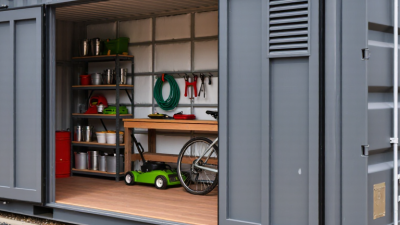
Shipping container sheds provide enclosed space for storage, work, or equipment. Homeowners often use them for garden tools, lawn mowers, bicycles, and bags of soil. A dry, lockable interior can protect supplies from rain and sun. On farms or job sites, they can hold tools, spare parts, or maintenance gear close to where people need them. Some owners add shelves, lights, or a workbench and use the shed as a small workshop.
It is practical space, but not always comfortable space.
Tips: Check the container for rust, leaks, and doors that stick before choosing one. Place it on a firm, level base to help prevent shifting. Add ventilation if you will store damp tools or spend time working inside. Measure large equipment first; a mower that fits through the door may still be awkward to turn around.
Some containers are adapted as hobby rooms, garden offices, or secure storage for seasonal furniture. These uses may need insulation, windows, and reliable airflow to manage heat and condensation.
A container can feel narrow and dark, even after upgrades, so visit the site and picture your daily routine before fitting it out. Keep frequently used items near the entrance, and leave clear space around equipment that needs servicing.
What Are Their Main Advantages and Limitations?
What Is a Shipping Container Shed?
What Are Their Main Advantages and Limitations?
A shipping container shed is a storage or work space made from a steel shipping container. Its rigid walls and lockable doors can protect tools, garden equipment, or seasonal supplies. The box arrives largely assembled. That can reduce on-site construction time, especially where access is straightforward.
Durability is a major advantage. A sound container handles rain and everyday knocks better than many lightweight sheds. Its rectangular shape also makes shelves and workbenches easy to arrange. Containers can be relocated, though moving one later requires suitable lifting equipment and clear access. Not effortless.
The limitations deserve equal attention. Steel transfers heat, so the interior can become hot in summer and cold in winter. Moisture may collect on the walls, putting cardboard, fabrics, or metal tools at risk. Insulation, ventilation, and a raised, level base help, but add cost and planning. It is tempting to assume a used container is ready for storage; dents, worn door seals, and trapped moisture can make that wrong. Check the floor, corners, and doors before use. A narrow container may also feel cramped once shelving is installed, and cutting openings can affect strength. The practical choice depends on climate, contents, site access, and the budget for fitting it out.
What Factors Matter When Planning One?
What Is a Shipping Container Shed?
What Factors Matter When Planning One?
A shipping container shed can provide secure storage, but its steel shell does not make every site suitable. Start by measuring the items you plan to store, then allow room to reach them. Measure twice. A narrow door can make bulky tools frustrating to move. Check the container’s condition, especially the roof, floor, door seals, and lower corners. Rust or a damaged frame may need attention before the unit is placed. Think about delivery access, too: a truck needs enough space to turn and set the container down safely.
Ground preparation matters. A level, stable base helps prevent twisting that can make doors stick. Plan for runoff so rainwater does not collect under or around the unit. Water matters. If you will spend time inside, consider insulation, ventilation, and how heat builds up in metal during sunny weather. Windows and new openings may affect strength, so get qualified advice before cutting the shell. Include delivery, site preparation, and any electrical work in the budget. Plans change. I would leave a little extra room in both the schedule and budget; site conditions often reveal details that a quick sketch misses.
What Is a Shipping Container Shed?
A shipping container shed is a storage or work space made by adapting a steel shipping container. Container size affects the usable floor area and helps determine where to place doors, insulation, and other modifications.
Approximate usable floor area: 20-foot containers provide about 150 sq ft, while 40-foot containers provide about 305 sq ft. Actual interior dimensions vary by unit, and insulation or lining reduces usable space. When planning, also consider a level, well-drained foundation, ventilation, insulation, access, local permits, and structural reinforcement around new openings.