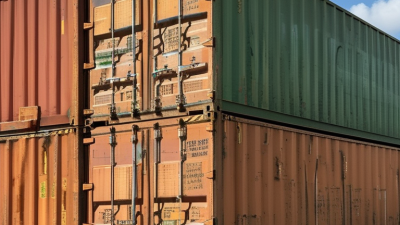
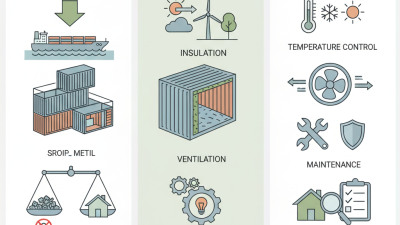
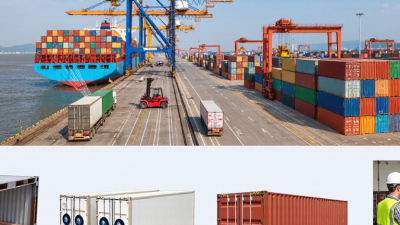
A sea container can look solid in a sales photo and still arrive with a leaking roof, damaged flooring, or doors that resist closing. In 2026, the best choice depends less on appearance than on your cargo, site, delivery access, and intended service life. A dry 20-foot unit may suit a compact storage space. A 40-foot high-cube container offers more volume, but only if the truck can reach your location and the ground can support it.
Maritime analyst Lars Jensen is known for examining container-shipping markets. A practical paraphrase of his market-focused perspective is: “Container prices and availability can shift, so buyers should check current conditions before committing.” This is a paraphrase, not a verbatim quotation. For an individual purchase, that means comparing local quotes, delivery charges, and inspection findings—not relying on a price seen months ago.
Look closely. Ask for recent photos of the roof, corner posts, floor, seals, and door operation. Confirm whether the unit is new, one-trip, or used, and get its condition described in writing. Also check the route for overhead wires, tight turns, and soft ground; delivery problems can erase an apparent bargain. I would not choose by grade alone. Sellers may describe condition differently, and even a careful inspection cannot promise zero future repairs. This guide will compare sizes, conditions, costs, and practical checks, so you can match a container to a real use—not just a listing.

What Is the Best Sea Container to Buy in 2026?
The right sea container depends on what you plan to store or move. Standard dry containers suit furniture, tools, and boxed goods. A high-cube model gives roughly one extra foot of interior height, useful for tall equipment or bulky loads. But extra height is wasted space if your cargo is compact.
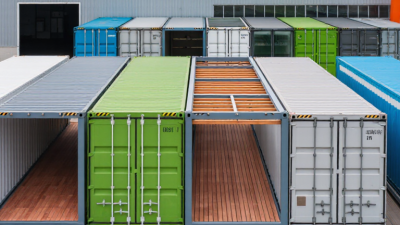
Refrigerated containers, or reefers, keep temperature-sensitive goods within a controlled range. They need a reliable power supply and a working cooling unit, so check both before buying. Open-top containers allow loading from above; flat racks suit unusually wide or heavy equipment. Tank containers are designed for bulk liquids. Each specialized type can cost more to inspect and maintain.
UNCTAD’s Review of Maritime Transport 2024 reports that container-ship capacity grew 8.2% in 2023. That figure describes ships, not the supply of containers, but it shows the scale of the container trade. For a purchase, inspect door seals, floor condition, rust around lower rails, and whether doors swing freely. Check the floor, too. A container that looks sound outside may hide damaged boards or leaks. If it will travel by sea, confirm its safety certification is current. An ordinary storage box may not be suitable for transport.
Typical internal cargo volume by container type (approximate cubic metres)
Choose based on cargo size and handling needs: standard dry containers suit general freight, high-cube containers provide extra height, and reefers are designed for temperature-controlled goods. Volumes are typical estimates and vary by container specification.
Start with the cargo and the site, not the advertised price. Measure the longest item, total pallet footprint, loading clearance, and the route a delivery truck must take. A standard 20-foot container offers roughly 5.9 metres of internal length; a 40-foot unit offers about 12 metres. Actual usable dimensions vary by model and condition. A high-cube container adds vertical room, useful for tall equipment or stacked goods, but it does not solve a narrow doorway or a cramped site.
Configuration matters as much as size. A dry container suits most boxed, weather-protected storage. Choose a refrigerated unit only when temperature control is essential and you can provide reliable power and maintenance. Open-top designs help with tall cargo loaded from above, but exposed loads need suitable protection. UNCTAD’s Review of Maritime Transport 2024 reported that containerized trade contracted 0.3% in 2023 and projected 3.5% growth for 2024. Those figures describe market movement, not your storage needs; local availability and delivery costs still deserve a separate quote.
A larger box can look like better value. It may also leave expensive, unusable space. Before buying, inspect door seals, floor condition, corrosion, and door operation in person. Bring a tape measure. I would also leave room for ventilation and safe access, even if the first layout seems efficient. Used units vary, and a tidy listing cannot show every defect.
Dimensions and capacities below are approximate examples for common container types. Actual measurements, payload limits, door openings, and usable capacity vary by manufacturer, model, and condition; confirm the specification plate and drawings before purchase.
| Container type | Approx. external dimensions (L × W × H) | Approx. internal dimensions / capacity | Best suited to | Important considerations |
|---|---|---|---|---|
| 20 ft standard dry | 6.06 × 2.44 × 2.59 m | About 5.90 × 2.35 × 2.39 m; approximately 33 m³ | General storage, household goods, tools, and dense cargo that may reach weight limits before using all the space. | A practical choice when access or site space is limited. Check the container’s rated payload and gross weight for the specific unit. |
| 40 ft standard dry | 12.19 × 2.44 × 2.59 m | About 12.03 × 2.35 × 2.39 m; approximately 68 m³ | Bulky, relatively lightweight cargo, larger storage projects, and shipments needing more floor space. | Offers roughly twice the length of a 20 ft unit, but not twice its payload. Confirm that the delivery route and placement area can accommodate it. |
| 40 ft high-cube dry | 12.19 × 2.44 × 2.90 m | About 12.03 × 2.35 × 2.69 m; approximately 76 m³ | Tall or voluminous cargo, palletized goods, and storage projects where extra vertical space is useful. | Provides about 30 cm more external height than a standard-height container. Check clearance under roofs, power lines, and access structures. |
| 20 ft refrigerated | About 6.06 × 2.44 × 2.59 m | Typically about 5.4 × 2.29 × 2.25 m; approximately 28 m³ | Temperature-controlled transport or storage for food, flowers, and other compatible goods. | Insulation and refrigeration machinery reduce interior space. Requires a suitable power supply and the correct temperature, ventilation, and operating settings. |
| 40 ft high-cube refrigerated | About 12.19 × 2.44 × 2.90 m | Typically about 11.5 × 2.29 × 2.50 m; approximately 66 m³ | Larger temperature-controlled loads that benefit from both extra length and high-cube height. | Usable capacity depends on the refrigeration unit and interior fittings. Check power requirements, service history, and temperature performance. |
| Open-top | Commonly available in 20 ft and 40 ft sizes; external dimensions are generally similar to standard-height units of the same length. | Interior length and width are broadly similar to the corresponding dry-container size; usable height depends on the roof bows and cover arrangement. | Top-loaded or tall cargo that cannot conveniently pass through the end doors, such as machinery or certain building materials. | Confirm the clear top opening, removable roof components, lashing points, and whether the cargo can be protected from weather. |
| Flat rack | Commonly available in 20 ft and 40 ft lengths; width and end-frame configuration vary. | No enclosed internal volume. Usable deck size and cargo limits depend on the particular unit. | Oversized, heavy, or unusually shaped cargo that needs loading from the top or sides, such as industrial equipment. | Check deck dimensions, lashing points, end-wall type, and rated payload. Cargo may need specialized securing and weather protection. |
| Tank container | Typically built within an ISO frame close to the footprint of a 20 ft container; exact dimensions vary by design. | Tank volume varies by model and product requirements; it is not comparable to dry-container cubic capacity. | Bulk liquids or gases compatible with the tank’s design and certification. | Verify product compatibility, tank certification, inspection status, pressure rating, and applicable transport regulations before purchase. |
A new sea container offers the cleanest appearance and the least wear, which matters when it will sit beside a home or serve as a visible workspace. Its doors should move smoothly, and the floor should feel firm underfoot. You’ll usually pay more for that condition. Still, “new” does not mean every unit has identical finishes or fittings.
A one-trip container has typically carried cargo on one journey from its place of manufacture. It may show small marks from handling, but often has little corrosion and a tidy interior. For many buyers, it balances appearance and cost. Check the roof and door seals closely; a quick glance can miss dents that collect rainwater. Details matter.
Used containers can cost less, but their condition varies widely. Look for corrosion around lower rails, bent corner posts, patched holes, and soft spots in the wooden floor. Open and close both doors, then inspect the inside in daylight. A fresh coat of paint can hide repairs, so ask what was fixed and when. I’d compare the actual unit, not just its grade. That takes time, and I sometimes wish it were simpler. A clear inspection record and photos of the roof, floor, and door edges help make the choice less uncertain.
When choosing a sea container in 2026, inspect its structure before judging its paint. Look closely. Check the corner posts, castings, roof seams, and lower side rails for bends, deep corrosion, or fresh repairs. Open both doors; they should swing without excessive force, and the locking bars should engage evenly. Inside, look for soft floor patches, daylight through seams, and damp or chemical odors. A clean exterior can hide costly defects.
The World Shipping Council reported 221 containers lost at sea in 2023, down from 661 in 2022. Those figures describe losses in shipping, not the condition of any one unit. Still, they underline why sound construction and secure handling matter. Ask for inspection records and clear photographs of the roof, underside, door hardware, and interior. Test the lockbox and hinges in person when possible. Small details count.
For compliance, check the container’s CSC Safety Approval Plate and confirm that its examination status is current under the applicable inspection scheme. Requirements depend on the container’s use and destination, so verify them with the relevant authority or a qualified inspector. ISO 1496-1 sets requirements for general-purpose freight containers, but a standard reference is not proof that a used unit meets them today. I would not rely on a seller’s description alone. A professional inspection costs time, but replacing a failed floor or repairing a distorted frame can cost more.
The best buy is not always the cheapest box. Compare the container price with delivery, unloading, and any repairs. Drewry’s 2024 World Container Index averaged $3,986 per 40-foot container, 169% above its 2023 average. This index tracks ocean freight, not container purchase prices, but it shows why transport costs deserve a separate, current quote. Ask whether delivery includes a truck, waiting time, and offloading. Check your driveway or site for overhead wires, tight turns, and firm ground. Small details can cost more than expected.
Seller reliability matters just as much as condition. Request recent photos of the exact unit, including its floor, door seals, corners, and any patched panels. Get the grade, dimensions, delivery window, and refund terms in writing. If possible, inspect it before payment. A clean photo can hide a soft floor; I would not treat “wind and watertight” as a full structural inspection. Ask who handles damage during transport, too.
Tips: Compare at least three delivered quotes. Confirm access and unloading before ordering. Save the written condition and delivery terms.